Don't let telcos charge offices, biz for unused internet during lockdown: PIL in HC
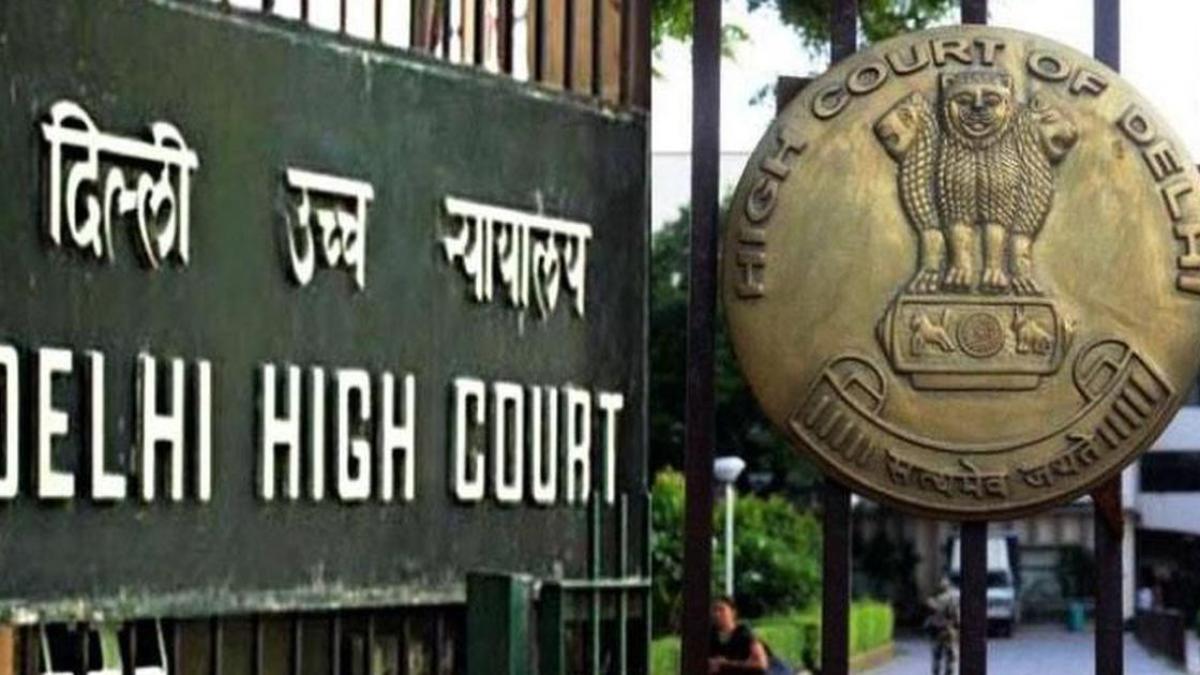
New Delhi: A plea was moved in the Delhi High Court on Thursday seeking directions to telecom firms and internet service providers (ISPs) not to charge offices, shops or business establishments which were "compulsorily closed" due to COVID-19 lockdown.
The petition, by a lawyer, was filed through advocate Amit Sahni who said it was likely to be heard on Friday.
Petitioner S K Sharma has contended that "shops/ offices/business houses/factories and almost all commercial establishments remained closed in order to abide by the dictate of the government to maintain social distancing during the period of lockdown".
He has further contended that telephone operators and ISPs ought not to charge citizens for services not used by them while following the government's directions.
The petition has said that in the event such charges are levied, then the payments made be transferred to the relief fund set up by Prime Minister Narendra Modi to fight coronavirus pandemic.
Let the Truth be known. If you read VB and like VB, please be a VB Supporter and Help us deliver the Truth to one and all.
Court can reject anticipatory bail but cannot direct accused to surrender: SC
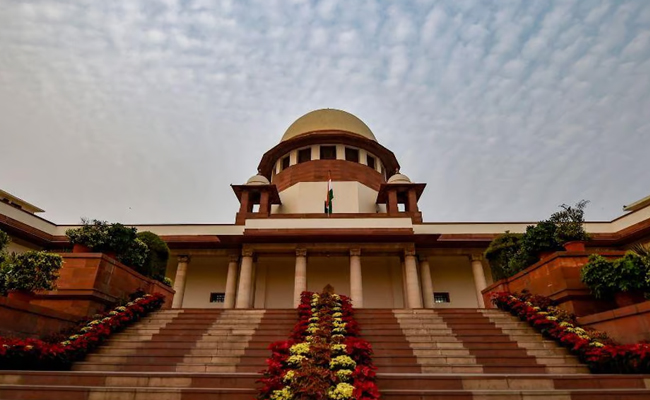
New Delhi (PTI): A court can reject anticipatory bail of an accused but it has no jurisdiction to direct him to surrender before the trial court, the Supreme Court has said.
A bench of Justices J B Pardiwala and Ujjal Bhuyan made the observation while hearing a plea filed by a man accused of cheating and forgery.
"If the court wants to reject the anticipatory bail, it may do so, but the court has no jurisdiction to say that the petitioner should now surrender," the bench said.
The Jharkhand High Court had rejected anticipatory bail plea of the accused and asked him to surrender and seek regular bail.
In this case, a complaint had been filed before a magistrate alleging offences under Sections 323 (voluntarily causing hurt), 420 (cheating), 467 (forgery of valuable security), 468 (forgery for purpose of cheating), 471 (using forged document) and 120B read with 34 of the IPC, in connection with a land dispute.
The high court had dismissed the second anticipatory bail application of the accused on the ground that no new circumstances were shown.
It had relied on its earlier order rejecting his first anticipatory bail plea, in which the court directed the petitioner to surrender before the trial court and seek regular bail in terms of the decision in Satender Kumar Antil v. CBI.
The top court said such a direction was wholly without jurisdiction and said that if a court chooses to reject anticipatory bail, it may do so, but it cannot compel the accused to surrender.