Dr Kafeel Khan's brother shot at in Gorakhpur
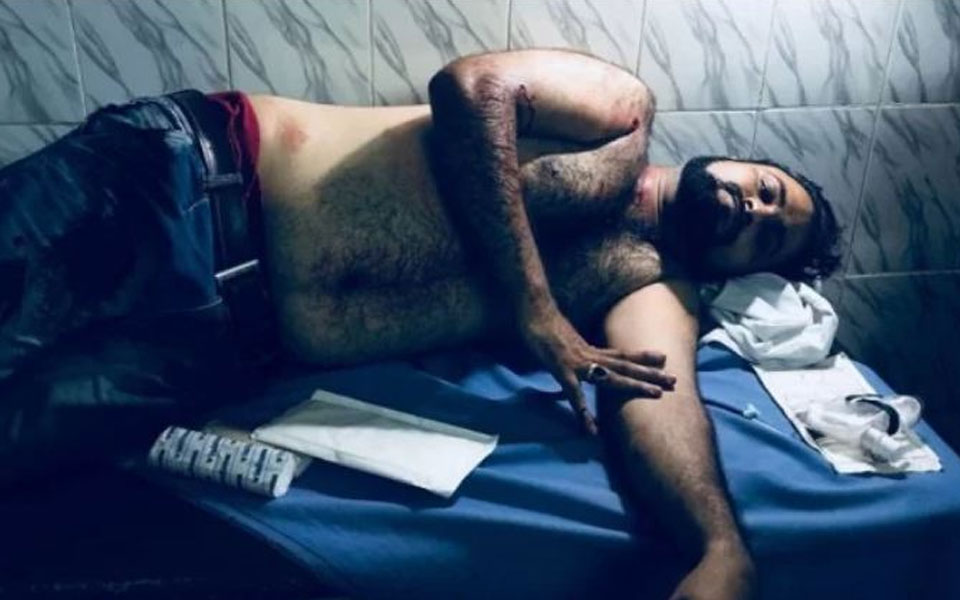
GORAKHPUR: The brother of Dr Kafeel Khan, who is out on bail in connection with the Gorakhpur baby death case, was shot at last night in Gorakhpur. Around 11 pm on Sunday, men on a motorcycle allegedly fired at Kashif Jameel, who is a businessman, and fled.
The 34-year-old brother of Dr Khan was immediately taken to a private nursing home. Dr Khan told the media a bullet was lodged in his brother's neck and he had to arrange for an emergency surgery to get it removed.
After the bullet was taken out, Kashif was shifted to the government-run BRD medical college and hospital, where he is under observation for another 48 hours, doctors said.
No motive was found behind the shooting of Dr Khan's brother said police sources.
Hours after the shooting, Gujarat lawmaker Jignesh Mevani targeted the BJP-led government for the attack on Kashif. Mr Mevani tweeted "Dr Kafeel saved children when Yogi Adityanath government had no money to pay for oxygen. He was put behind bars. Now his brother is shot at. Thank you so much Modi ji for what your 'acche din' are offering us - hate speeches, violence, bloodshed and bullets."
On April 25, Dr Khan got bail from the Allahabad High Court. The bail was given after he spent eight months in jail. The court said there was no direct evidence of negligence on his part.
Dr Khan's family insists he was made a scapegoat in the case as he was in-charge of the paediatrics ward, when the tragedy happened.
More than 60 children, mostly infants, had died at BRD hospital in Gorakhpur within a week in August, 2017. There were allegations that the deaths occurred due to disruption in oxygen supply. The BJP-led Uttar Pradesh government, however, had denied that shortage of oxygen led to the deaths.
courtesy : NDTV.com
Let the Truth be known. If you read VB and like VB, please be a VB Supporter and Help us deliver the Truth to one and all.
Power tariffs under BESCOM to rise from May 1
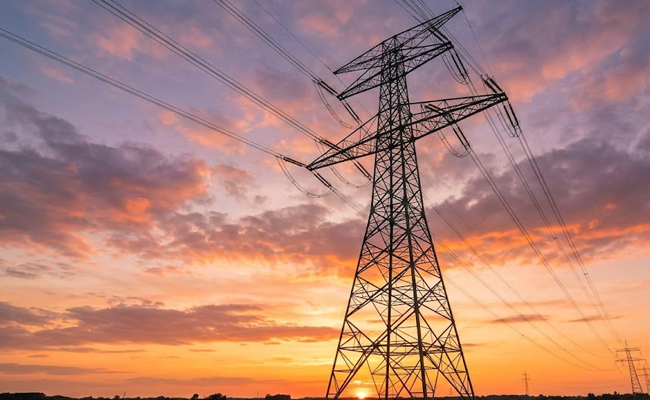
Bengaluru (PTI): Power bills for consumers under the Bangalore Electricity Supply Company Limited (BESCOM) will go up from May 1, following an order issued by the Karnataka Electricity Regulatory Commission (KERC) on Friday.
The hike comes after KERC allowed the BESCOM to recover a revenue deficit of Rs 2,068 crore incurred in 2024-25, from the consumers.
As a result, for every unit of electricity consumed in 2024-25, the customers will be charged an additional 56 paise, it said.
"BESCOM shall calculate, for each of the active consumers of FY2024-25 the amount to be recovered based on their actual energy consumption during FY2024-25. Such amount shall be recovered during FY 2026-27 in equal monthly instalments, to be called as 'FY25 True up Charges', commencing from the first meter reading date falling on or after 1 May 2026 and concluding with the reading date ending on 30 April 2027," the order said.
"It is further ordered that BESCOM shall maintain a separate head of account, allocated for the purpose, to record the adjustment of the said amount to ensure full recovery of the deficit," it added.
Similarly Chamundeshwari Electricity Supply Corporation Limited (CESC) has also recorded a revenue deficit of Rs 121.71 crore and can collect an additional 15 paisa per unit for consumption in 2024-25, official sources said.