Draft electoral roll published in Kerala as part of SIR; over 24 lakh names removed
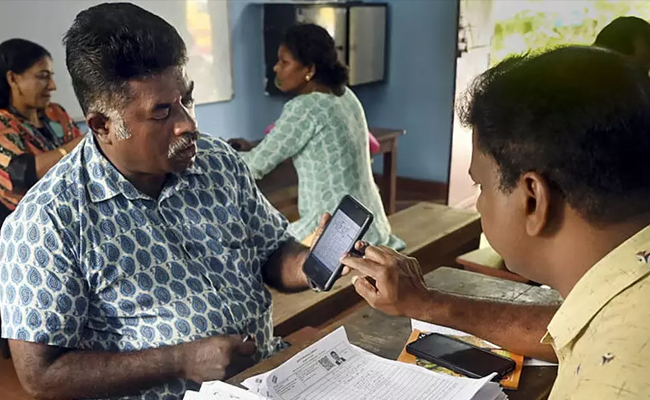
Thiruvananthapuram (PTI): The draft voters’ list prepared as part of the SIR of the electoral roll in Kerala was published by the ECI on Tuesday, where over 24 lakh names have been removed.
Chief Electoral Officer Rathan U Kelkar, addressing a press conference, said the draft list has been published on the Election Commission’s website and copies have also been handed over to political parties.
As many as 2,54,42,352 voters have been included in the draft list, while the names of 24,08,503 electors were removed after completion of the enumeration stage of the Special Intensive Revision.
Of the deleted names, 6,49,885 pertain to deceased persons, 6,45,548 voters were found to be untraceable, and 8,16,221 voters were identified as having permanently shifted from their registered addresses.
In addition, 1,36,029 duplicate voters and 1,60,830 voters falling under other categories were identified.
ALSO READ: 'Trump travelled on at least eight Epstein flights’: New Epstein files released by US Justice Dept
Before the revision exercise began, there were 2,78,50,855 voters in the electoral rolls in Kerala. The percentage of names removed from the rolls stands at 8.65 per cent.
Kelkar said objections and grievances related to the draft list can be submitted till January 22, and the final electoral roll will be published on February 21.
Kelkar said that as part of the SIR, a voter mapping exercise was also carried out till December 18.
"We were able to complete 93 per cent of the voter mapping by December 18. Most of the unmapped cases were reported from urban and semi-urban areas such as Thiruvananthapuram, Kottayam and Ernakulam," he said.
He said that the mapping exercise is still continuing.
After the mapping process is completed, electoral registration officers (EROs) will decide on hearings for non-mapped voters.
"Notices will be issued to voters to be heard. The hearings will be decentralised so as not to cause inconvenience to the public," he said.
He said the notices would contain detailed instructions, including the reasons for the hearing and the documents to be produced, and would be served through booth-level officers.
Responding to queries on the high number of untraceable voters, Kelkar said booth-level officers had visited the addresses three times to serve enumeration forms but were unable to locate the voters.
"We made all efforts to trace the voters as directed by the Election Commission," he said.
Kelkar said those whose names are not included in the draft list will have to submit fresh applications for inclusion in the electoral roll.
Let the Truth be known. If you read VB and like VB, please be a VB Supporter and Help us deliver the Truth to one and all.
Sengottaiyan secures historic 10th victory in Gobichettipalayam assembly constituency
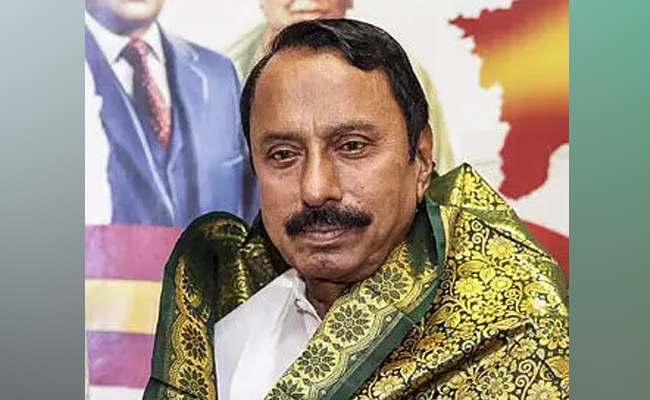
Gobichettipalayam (Tamil Nadu) (PTI): In a historic 10th win, veteran leader K A Sengottaiyan clinched the Gobichettipalayam seat in the 2026 Assembly elections.
Contesting for the first time under actor Vijay’s TVK, the 78-year-old secured approximately 71,380 votes, defeating DMK’s N Nallasivam by a margin of nearly 13,000 votes.
This win marks Sengottaiyan’s 10th consecutive victory in the constituency, cementing his status as an immovable force in the region despite his high-profile exit from the AIADMK in late 2025.
His success was a cornerstone for the TVK, which emerged as a formidable force across the state. Supporters celebrated the win as a testament to Sengottaiyan’s personal influence, which successfully transitioned from his former Dravidian home to the newly formed TVK.