Drowning unfortunate but tourists should be cautious: Goa Minister

Panaji, June 12: Goa Tourism authorities on Tuesday described the drowning of three tourists from Maharashtra on Monday as "unfortunate", but added that tourists should be cautious about swimming in the rough seas, especially during monsoon.
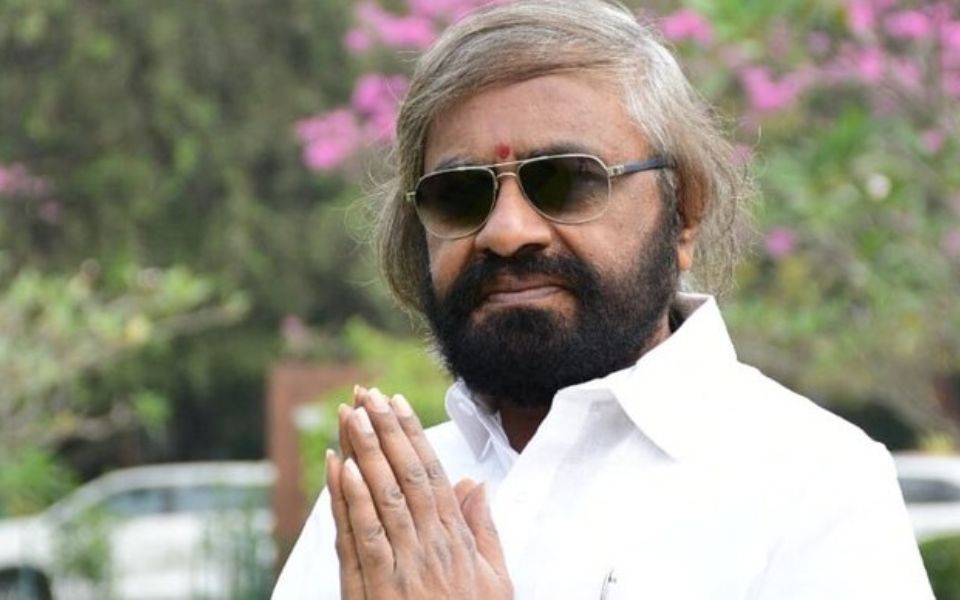
"The incident is unfortunate, can't do anything about it. But we cannot keep an eye on every one. Goa has a 105-km coastline. We already issued a warning against swimming in the rough seas," Goa Tourism Development Corporation Chairman and BJP MLA Nilesh Cabral told reporters here.
"Swimming in the sea at 5 a.m., especially in the monsoon, is not right. There were red warning flags on the beach, which means you cannot swim in the sea. Tourists should enjoy, but with precautions."
Three tourists from Maharashtra's Akola district drowned and two are missing after a group of 14 ventured into the sea early on Monday. Efforts to trace the missing tourists are on.
Private beach management agency Drishti Marine, which deploys lifeguards on popular Goa beaches, last week issued a warning against swimming in the sea on account of rough currents.
Cabral also said that the Tourism Department would consult with the private agency to work out a mechanism through which such tragedies could be averted, but added that unless tourists are responsible, such incidents cannot be avoided.
"We will check with Drishti, how we can avoid such incidents. If we block people (access to the beach), then it is an issue about rights of the people," he said.
Let the Truth be known. If you read VB and like VB, please be a VB Supporter and Help us deliver the Truth to one and all.
Yadgir: Six people burnt alive in private bus-car collision on Bidar-Bengaluru Highway in Surapura
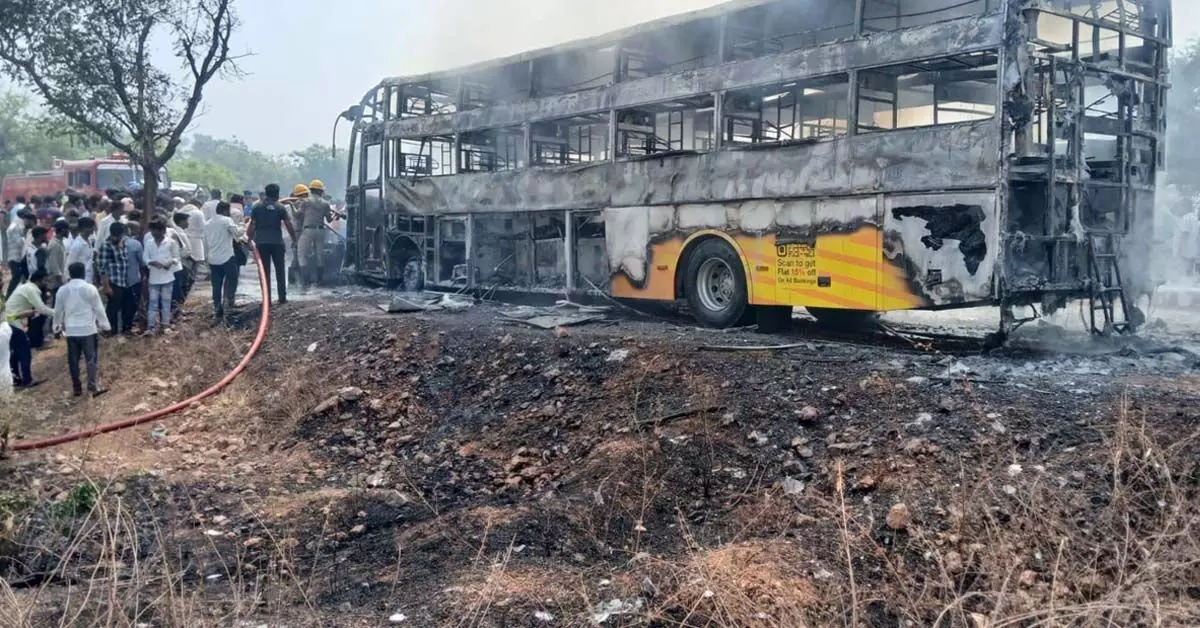
Surapura: In a tragic road accident reported from the taluk, six people were burnt alive in a collision between a private bus and a car on the Bidar-Bengaluru Highway near the Shanthapura Cross close to the Thinthani Bridge on Friday morning.
A fire broke out due to the force of the collision, and both vehicles were gutted in the flames.
The bus is learned to have been traveling from Lingasugur to Kalaburagi, and the car was going towards Lingasugur. While none of the passengers in the bus was reportedly endangered in the accident, all six people traveling the car died in the accident and are learned to have burnt in the fire.
The local fire brigade has successfully doused the flames.
Inspector Umesh M and team of the Surapura Police Station is learned to have arrived at the accident spot and conducted an inspection.
The skulls of four people are said to have been found among the debris.