EC reactivates its economic intelligence panel after six-year gap
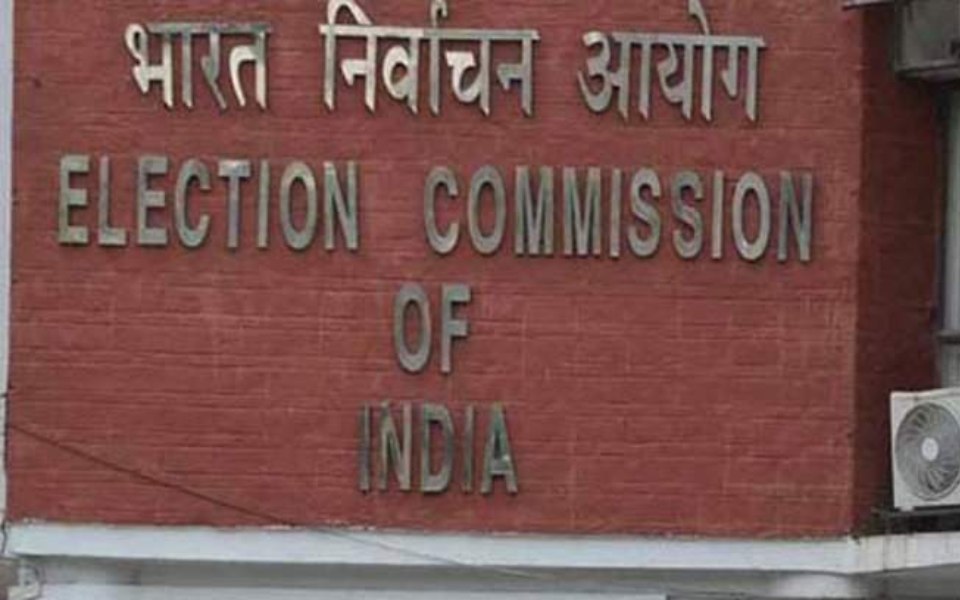
New Delhi (PTI): The Election Commission has reactivated its economic intelligence panel after a gap of six years to curb the use of money, liquor and drugs to influence voters ahead of the Bihar polls.
The Multi-Departmental Committee on Election Intelligence (MDCEI) met here on Friday for the first time since 2019 to fine-tune the strategy of enforcement agencies and central police forces to prevent the use of money power and freebies to sway voters in poll-bound Bihar.
The committee was formed in 2014 ahead of that year's general elections.
Officials said the committee met ahead of polls between 2014 and 2019, but did not do so formally thereafter. Agency and security forces' heads had been meeting to strategise steps to check money power. On Friday, they met on a bigger scale.
Chief Election Commissioner Gyanesh Kumar and Election Commissioners S S Sandhu and Vivek Joshi were present at the meeting.
The committee includes 17 departments -- Central Board of Direct Taxes, Central Board of Indirect Taxes and Customs, Enforcement Directorate, Department of Revenue Intelligence, Central Economic Intelligence Bureau, Financial Intelligence Unit – India, Reserve Bank of India, Indian Banks' Association, Narcotics Control Bureau, Railway Protection Force, Cental Industrial Security Force, Border Security Force, Central Reserve Police Force, Sashastra Seema Bal, Bureau of Civil Aviation Security, Airports Authority of India and the Department of Posts.
The meeting was held to prepare a comprehensive roadmap to combat the pernicious effects of cash and other inducements in elections.
The different agencies briefed the commission about their preparation, steps taken, and proposed steps to be taken for ensuring inducement-free elections. The briefings were on a wide range of topics pertaining to curbing the use of money and other inducements to vitiate elections, the EC said.
The commission officials instructed that there should be cooperation and sharing of intelligence on economic offences amongst law enforcement agencies for effective action.
Let the Truth be known. If you read VB and like VB, please be a VB Supporter and Help us deliver the Truth to one and all.
Trump says he ‘hasn’t even thought about’ continuing Iran ceasefire
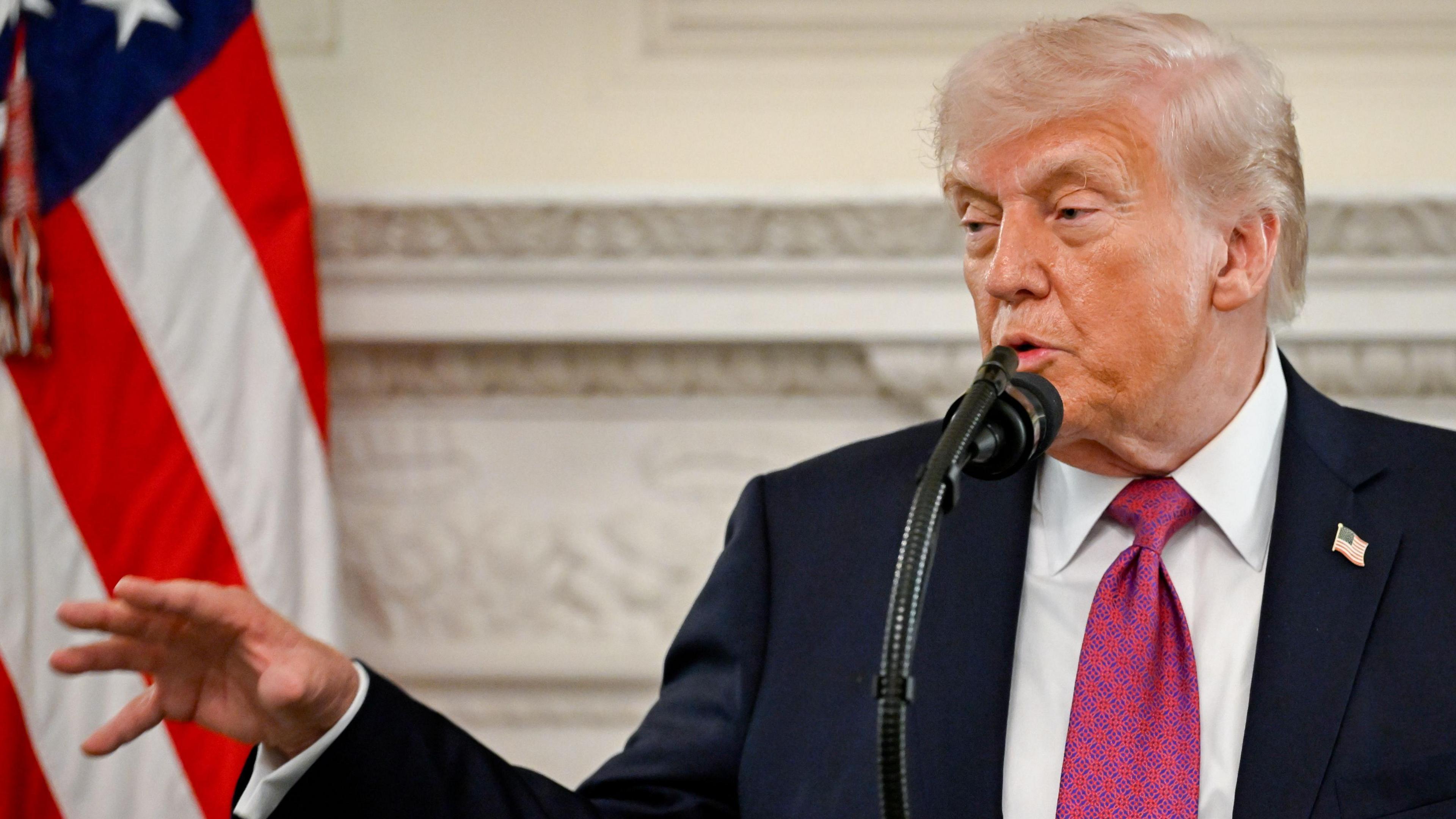
Washington: US President Donald Trump has said he has not yet considered whether he would continue the ceasefire involving Iran, while also claiming the United States holds the advantage in negotiations.
Speaking to reporters, Trump said he was prepared to make a deal with “whoever is running the show” in Iran.
“They are fighting with each other, there’s tremendous infighting. They’re probably fighting for leadership in many cases. I think they’re fighting not to be leader because we knocked out two levels of leaders,” he said.
Trump added, “When they want they can call me. We have all the cards, we’ve won everything.”
Referring to ongoing negotiations, he said, “They gave us a paper that should’ve been better. And, interestingly, immediately when I cancelled it [envoy trip to Pakistan], within 10 minutes we got a new paper that was much better.”
“We talked about they will not have a nuclear weapon, very simple … They offered a lot, but not enough,” he added.
When asked whether he would continue the ceasefire, Trump replied, “I haven’t even thought about it.”
The remarks come as uncertainty remains over the future of the temporary truce and broader negotiations between Washington and Tehran.