EC rolls out digital voter I-cards
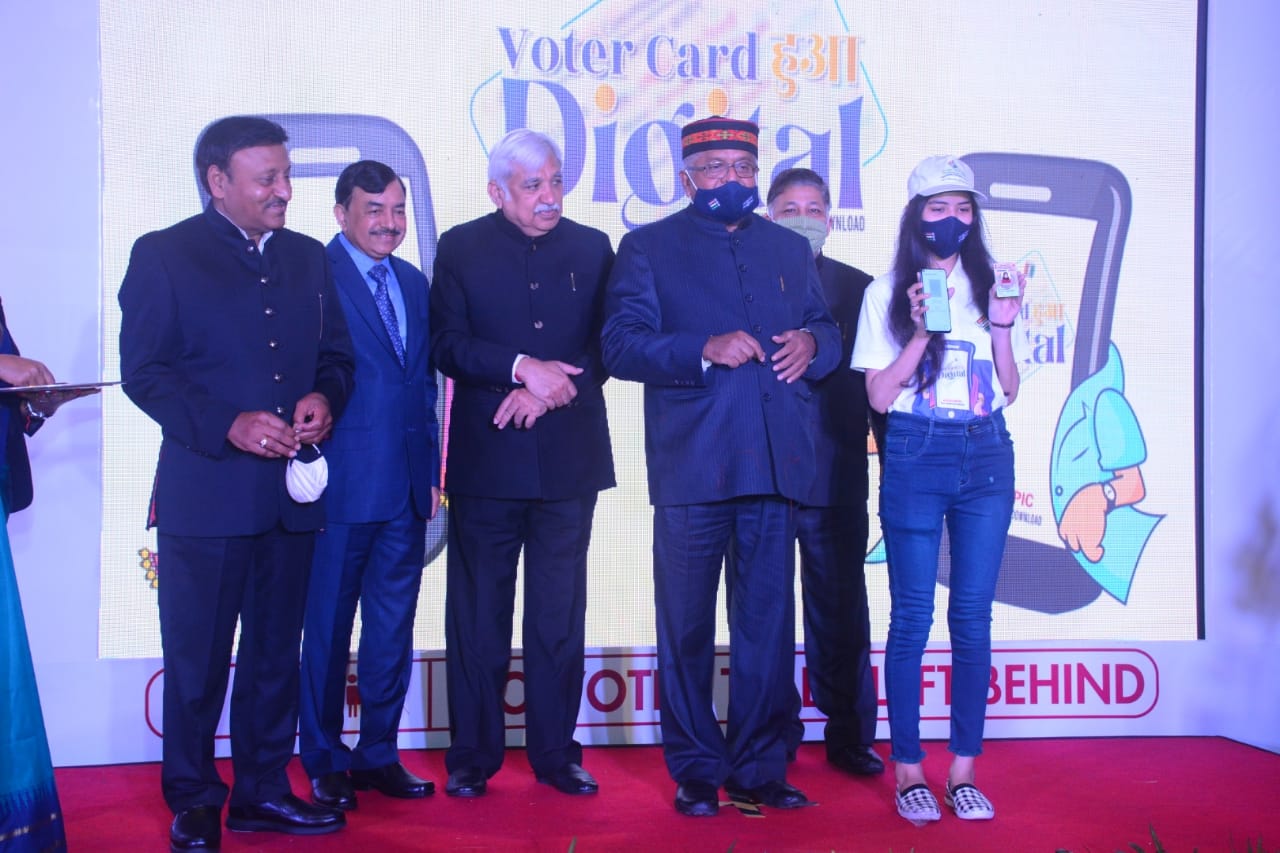
New Delhi, Jan 25: The Election Commission on Monday rolled out the electronic version of the voters' photo identity card which can be stored on mobile phones and downloaded on personal computers.
The e-voter card, available in the PDF format which cannot be edited, can be self-printed and laminated by the voter when required.
With its formal launch on Monday, electors in poll-bound West Bengal, Tamil Nadu, Assam, Kerala and Puducherry can use e-voter card on polling days. Elections are due in these states and the union territory in April-May.
The conventional 'PV' physical voter card would continue to be in use.
Law Minister Ravi Shankar Prasad launched the e-EPIC programme and distributed e-EPICs and Elector Photo Identity Cards to five new voters here to mark the National Voters' Day.
The e-elector photo identity card is a non-editable digital version of the elector photo identity card and can be saved in facilities such as digital locker as well as can be printed in the PDF format.
The physical card takes time to print and reach the voter, and the idea is to provide faster delivery and easy accessibility to the document, EC officials said.
The Aadhaar card, Permanent Account Number (PAN) card and driving licence are available in digital mode.
Introduced in 1993, the elector photo identity cards are acceptable as proof of identity and address.
During the event, President Ram Nath Kovind launched, via video bridge, EC's web radio Hello Voters'.
The online digital radio service will stream voter awareness programmes. It will be accessible through a link on the Election Commission of India website.
The programming style of Radio Hello Voters has been envisaged to match that of popular FM radio services. It will provide information and education on the electoral processes through songs, drama, discussions, spots, stories of elections in Hindi, English and regional languages from all over the country, an official statement said.
The EC came into being on January 25, 1950, a day before India became a republic.
For the past few years, January 25 is also observed as National Voters' Day.
Launched the digital version of Voter Identity Card on the National Voters Day. Now voters can download digital copy of the Voter ID card and carry it in digital form. pic.twitter.com/5fnaN7nONT
— Ravi Shankar Prasad (@rsprasad) January 25, 2021
अब वोटर कार्ड हुआ डिजिटल। EPIC is now available on your mobile and all your other digital devices. In the 1st phase, till 31st January, available to newly registered electors. From 1st February , this will be available to all Electors. @ECISVEEP #NationalVotersDay pic.twitter.com/JHaP5PHYk0
— Rajiv kumar (@rajeevkumr) January 25, 2021
Let the Truth be known. If you read VB and like VB, please be a VB Supporter and Help us deliver the Truth to one and all.
No more street vending on B’luru’s main roads, as govt plans to bring new policy for street hawkers
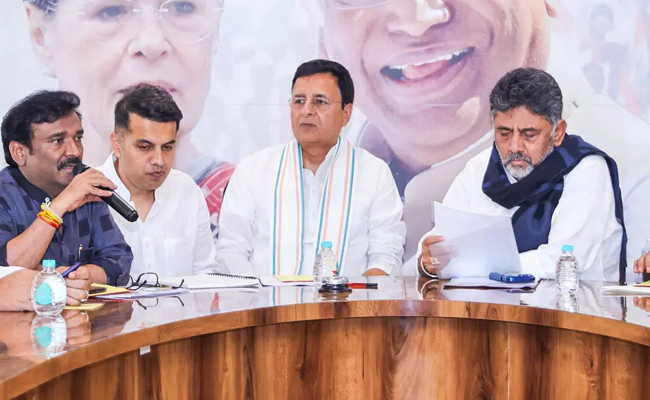
Bengaluru: Deputy Chief Minister D.K. Shivakumar on Friday said that the state government has decided to formulate a new policy for footpaths in Bengaluru, under which street vending will not be allowed on main roads and sub-main roads.
Addressing the media after a budget preparation meeting and executive meeting of GBA corporations at Vidhana Soudha, Shivakumar said discussions were held with MLAs from the GBA region regarding the corporations’ budgets and key civic issues.
Leader of Opposition R. Ashok also participated in the meeting and shared his views. Officials from multiple departments, including police, BESCOM, BMRCL, BWSSB and BDA, along with ministers and legislators, were present.
He stated that all five municipalities have prepared their individual budgets, while MLAs have submitted their demands, including calls for ward-wise grants.
“We have decided to bring a new policy for footpaths. Citizens are struggling to walk as footpaths are encroached upon by street vendors,” Shivakumar said.
Highlighting the need to balance livelihoods and public convenience, he added that “a separate space will be provided for street vendors, and specific roads will be designated for their business,” ensuring that pedestrians can use footpaths without obstruction. He noted that there was unanimous agreement among MLAs on this approach.
Issuing a warning to vendors, Shivakumar said that authorities will act against those violating the rules. “If vendors operate during the day and leave their carts on the roadside at night, authorities will clear them. People should be aware of this,” he said.
Providing data on street vendors, he said that around 60,000 vendors have registered so far, of which 30,000 have applied for vehicles, and a tender has already been floated.
“Only those with street vendor identity cards will be allowed to do business. Those without ID cards will not be permitted to operate on the streets,” he added.