EC to ensure allotment of unique EPIC number to registered electors amid duplicate voter ID concerns
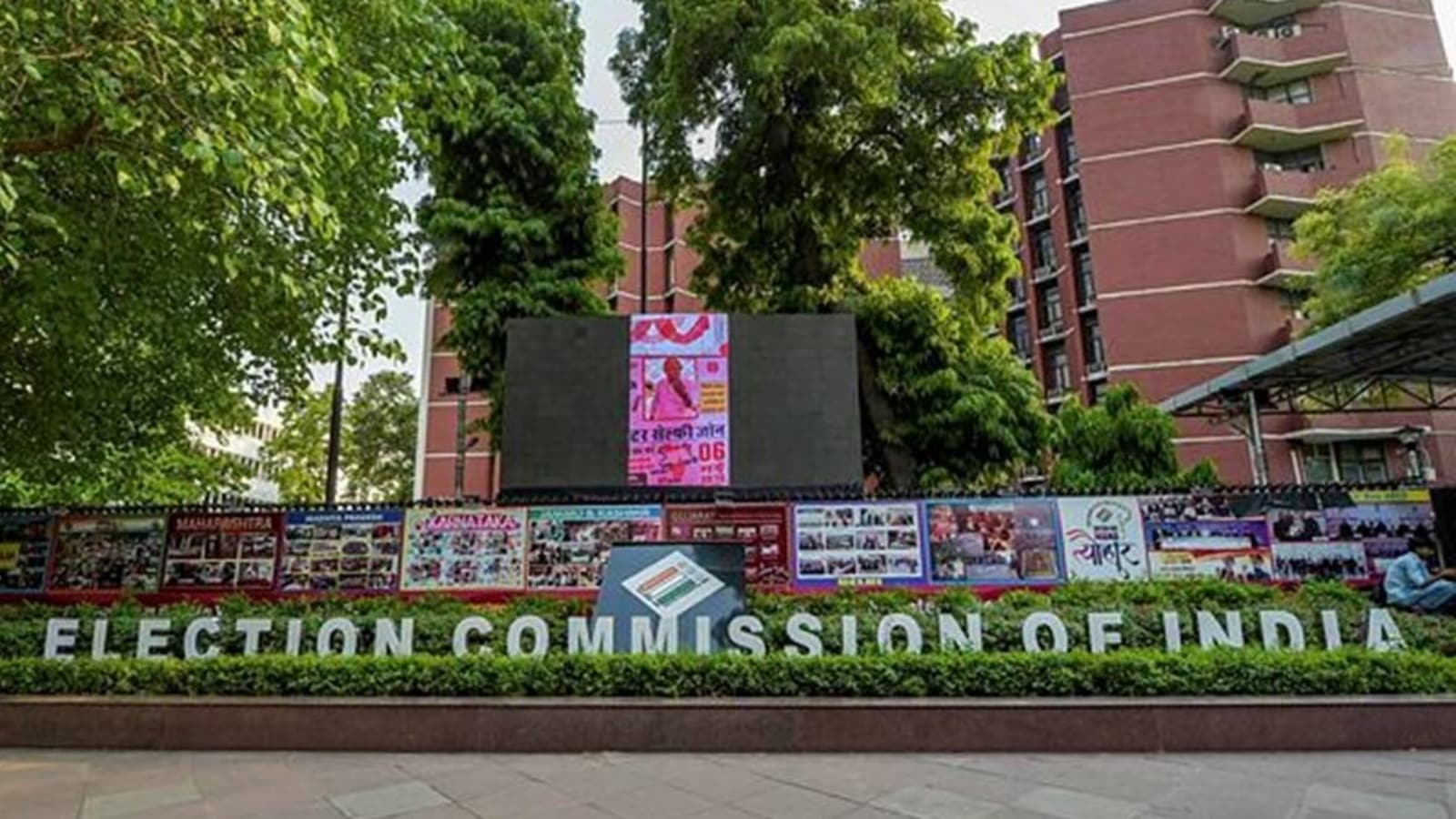
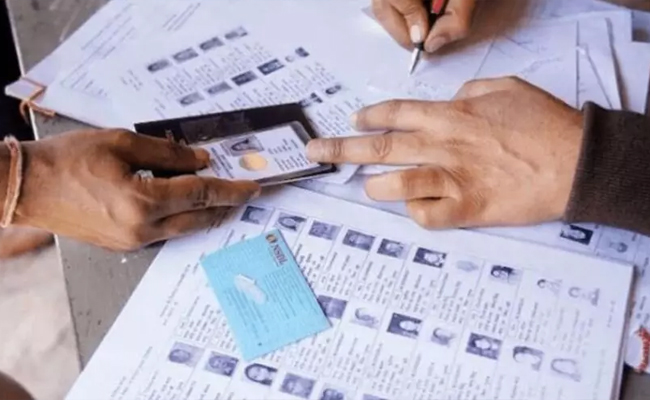
New Delhi: The Election Commission on Sunday clarified that electors from two different states or union territories having identical EPIC numbers does not mean there are duplicate or fake voters. The Commission explained that even if two voters share an identical EPIC number, they will still be assigned different polling booths and constituencies based on their personal details, ensuring that voters can only cast ballots in their designated areas.
The poll body mentioned in a statement that while EPIC numbers of some of the electors may be identical, the other details including demographic details, Assembly constituency and polling booth are different for the electors with the same EPIC number.
“Irrespective of the EPIC number, any elector can cast a vote only at their designated polling station in their respective constituency in the state/UT where they are enrolled in the electoral roll, and nowhere else,” the poll panel underlined.
The EC further stated that the identical EPIC numbers given to some electors from different states and union territories were a result of the “decentralized and manual mechanism” used before the electoral roll database was moved to the ERONET (Electoral Roll Management) platform.
The Commission also emphasised that any cases of duplicate EPIC numbers will be corrected, and each voter will be given a unique EPIC number moving forward. Additionally, the ERONET 2.0 platform will be updated to assist in this process.
This clarification came after the issue was raised by a Trinamool Congress (TMC) leader, who pointed out that an elector from Cooch Behar in West Bengal shared the same EPIC number with another voter from Didarganj in Uttar Pradesh. West Bengal Chief Minister Mamata Banerjee had also alleged the presence of “fake” and “outsider” voters in the state.
Let the Truth be known. If you read VB and like VB, please be a VB Supporter and Help us deliver the Truth to one and all.
4 held for sexually assaulting woman, girl on moving bus after social media alert in UP's Agra

Agra (UP) (PTI): Four people were arrested, after a prompt response by police following a social media alert, for allegedly sexually assaulting a woman and a girl inside a moving bus here, officials said on Tuesday.
According to an official police statement, at 12:27 am on April 27, information was received on the social media platform X about an incident of sexual assault on a bus travelling from Kanpur to Ahmedabad, which was approaching Namner crossing in Agra.
Acting under the direction of Police Commissioner Deepak Kumar, the Agra Police social media team immediately alerted the Rakabganj police station within minutes and coordinated with the victims to confirm the incident and obtain the exact location, it stated.
Police teams launched intensive checking at Namner crossing and intercepted the bus as it reached the spot. The four accused involved in the incident were apprehended on the spot, and legal action was initiated against them, the statement said.
The police said the swift response and coordination between the social media team and field units ensured timely action, bringing relief to the victims and other passengers, who expressed gratitude towards the police, it added.