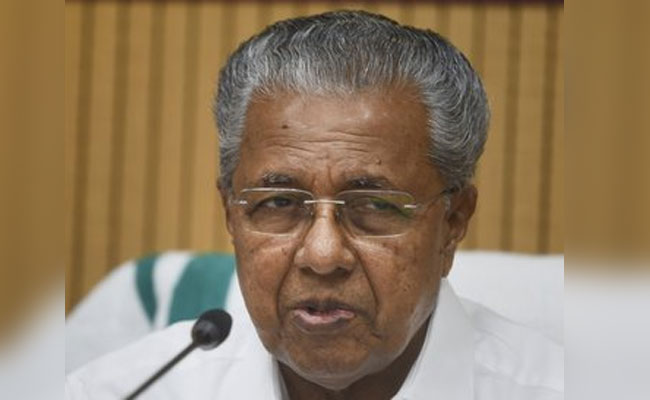
Election Commission imposes model code of conduct with immediate effect
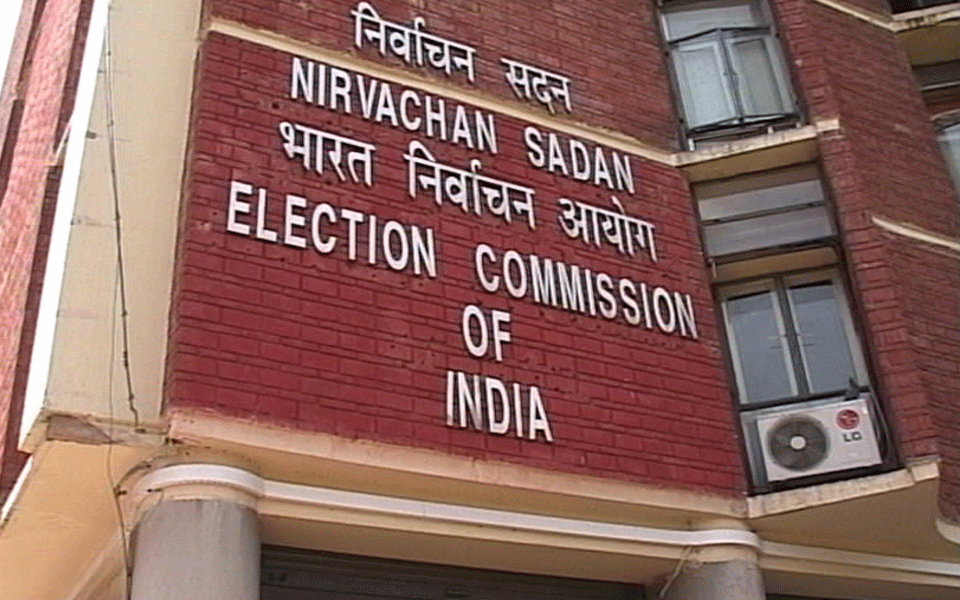
New Delhi: The Election Commission on Sunday imposed model code of conduct' with immediate effect for the Lok Sabha elections and announced that voter verifiable paper audit trail' will be used in all polling stations this time.
Among other things, the model code of conduct bars the government from announcing any policy move that may impact voters' decision.
Announcing the seven-phase schedule for 2019 Lok Sabha polls beginning April 11, Chief Election Commissioner Sunil Arora also said 10 lakhs polling stations would be set up this time as against about nine lakhs in 2014.
He said model code of conduct for polls has come into immediate effect from Sunday and all political advertisements on social media will need pre-certification.
The EC said 91 constituencies will go for polls in first phase on April 11, followed by 97 constituencies in second phase on April 18.
In 2014, the Lok Sabha elections were held across nine phases, beginning on April 7 and ending on May 9. The counting of votes took place on May 16.
The total contestants in fray were 8,251, with an average of 15 candidates in each constituency. However, deposit was forfeited in case of 7,000 contestants.
A total of over 55 crore voters (66.3 per cent) exercised their vote, while there were 9.27 lakh polling stations. There were nearly 60 lakh NOTA' votes.
Out of total 543 elected candidates, only 62 were women from 668 who had contested.
Let the Truth be known. If you read VB and like VB, please be a VB Supporter and Help us deliver the Truth to one and all.
Over 1 lakh students appear for NEET across TN
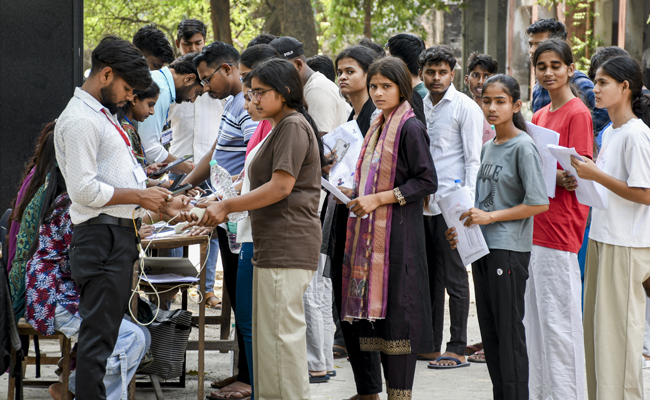
Chennai (PTI): About 1.4 lakh students appeared for the NEET 2026 exam for admission to medical degree courses across 31 centres in Tamil Nadu on Sunday.
Students claimed that the exam paper was easier than the previous year.
Organised by the National Testing Agency (NTA), 22.80 lakh students had registered for the National Eligibility cum Entrance Test (NEET) undergraduate exam nationwide.
NTA sources said that CCTV surveillance was installed at all examination centres, with feeds linked to centralised control rooms.
In view of the large candidate volume and prevailing summer conditions, the NTA ensured reliable power back-up, including generators at all centres, to ensure candidate comfort during the exam. Also, drinking water and on-site medical support were provided to students.
The sources further said that no malpractices were reported, especially in Chennai. The results of NEET are expected to be declared in June, 2026.