Election defeats have hit BJP, may look for new allies: Naqvi
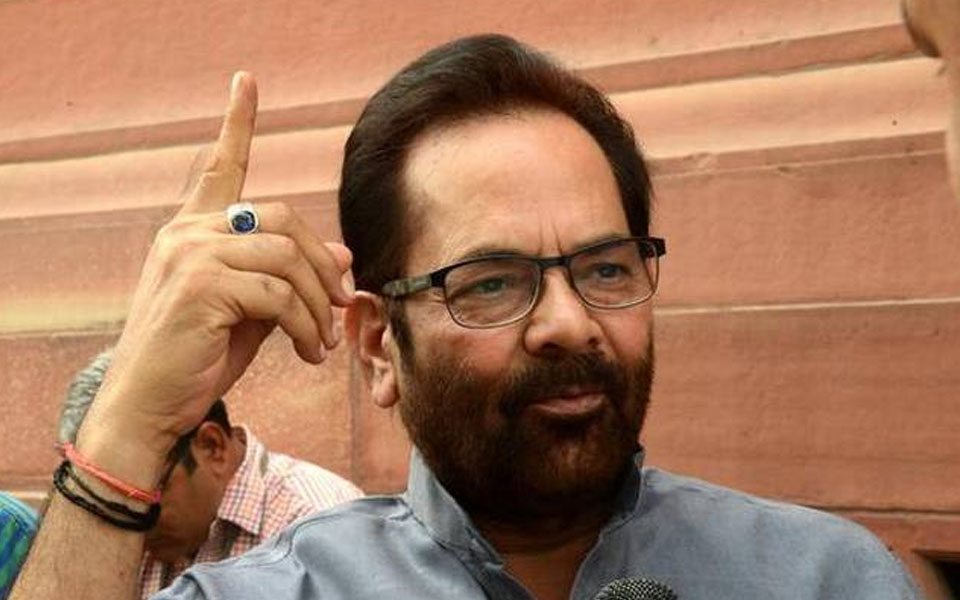
Panaji, June 3 : Union Minister Mukhtar Abbas Naqvi admitted on Sunday that recent electoral reverses have affected the BJP and that it will look for new allies if needed ahead of the 2019 Lok Sabha polls.
Asked whether the Bharatiya Janata Party would need the support of allies, especially regional outfits, for the general elections, Naqvi said the BJP was committed to alliance partners right from the tenure of Prime Minister Atal Bihari Vajpayee.
"We are completely committed to the federal system. Therefore we would like our allies to stay with us. If we need more allies, we will look for new allies. We have not put up a 'no entry' sign," Naqvi said.
He said that the allies who had left the ruling National Democratic Alliance in recent times could also return to the fold.
On the defeat of BJP candidates in recently by-elections in Uttar Pradesh, Maharashtra and other states, Naqvi said: "If I say that the by-election defeat has not impacted us, it would be wrong."
But the losses would help the BJP to deal with the "unholy and anarchist" alliances more strongly and effectively, he added.
"When you are on the battlefield and you understand the tactics and strategy of your opponents, it is easier to contest. We have the experience (of bypolls) now and it will make it easier for us (to strategize and win)."
The Union Minister, who was in Goa for the 'Transforming India' campaign, also expressed concern about the farmers' agitations across the country, saying there were issues related to the agriculture sector which needed to be addressed.
"We have to address and solve the issues. Therefore, we cannot say that in four years we will solve all the past problems. Yes, still some challenges are there. But we will correct the challenges and solve the problems," Naqvi said.
Let the Truth be known. If you read VB and like VB, please be a VB Supporter and Help us deliver the Truth to one and all.
Excise policy case: HC gives more time to Kejriwal, Sisodia to respond to ED plea to expunge remarks
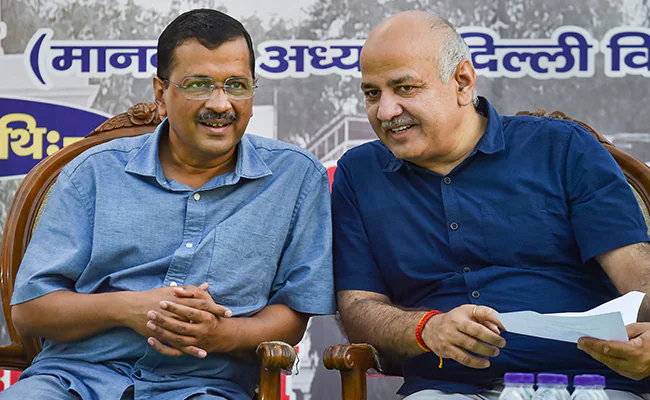
New Delhi (PTI): The Delhi High Court on Wednesday granted time till April 2 to former chief minister Arvind Kejriwal, his deputy Manish Sisodia and 21 others to respond to a plea by the Enforcement Directorate to expunge "unwarranted" remarks made against it by the trial court while discharging them in the liquor policy case.
Justice Swarana Kanta Sharma expressed displeasure over the request for more time by the lawyers appearing for Kejriwal and other accused, and said it would fix a date for final hearing in the matter during the next hearing on April 2.
"I don't know why you are not filing a reply. You should have filed a reply if you think you really needed to file a reply. They are only saying judge should not have written something that he has written."
"By second (of April), you file your reply. Then we will fix a date for final hearing," the judge said.
The Enforcement Directorate's counsel said there was no need to file replies to its petition and that this was an attempt to delay the case.
Additional Solicitor General S V Raju, appearing for ED, contended that the agency's petition has no impact on the accused, as the challenge was limited to the trial court judge's observations against the agency when it discharged Kejriwal, Sisodia and others in the CBI case.
The counsel for one of the accused said a brief reply was necessary and time was needed for it as the discharge order was 600 pages long.
Justice Sharma remarked that the ED's case has nothing to do with all 600 pages.
"Here is a prosecuting agency which has stated that the judge exceeded jurisdiction. I told them even I make such observations. I need to deicide it but you said I need to file a reply. Now you say 600 pages have to be read," the judge observed.
Raju also urged the court to direct that the observations of the trial court would not be relied upon by the accused in related proceedings. "It is a short date. Let them reply," the court responded.
On March 10, the court had asked Kejriwal and others to respond to the ED's plea.
In the petition, ED said the trial court's remarks were wholly extraneous to the CBI's case. It said the ED was neither a party in those proceedings nor afforded any opportunity to be heard.
"If such sweeping, unguided, bald observations are permitted to stand ... grave and irreparable prejudice would be caused to the public at large as well as the petitioner," the ED plea said.
"Therefore, the aforesaid paragraphs which concern the investigation independently conducted by the Enforcement Directorate under the PMLA (Prevention of Money Laundering Act) deserve to be expunged as it amounts to a clear case of judicial overreach...," it added.
On February 27, the trial court discharged Kejriwal, Sisodia and others in the Delhi liquor policy case, pulling up the CBI by saying that its case was wholly unable to survive judicial scrutiny and stood discredited in its entirety.
The trial court ruled that the alleged conspiracy was nothing more than a speculative construct resting on conjecture and surmise, devoid of any admissible evidence.
To compel the accused to face the rigours of a full-fledged criminal trial in the stark absence of any legally admissible material did not serve the ends of justice, it said.
In its order, the trial court highlighted that a procedure permitting prolonged or indefinite incarceration based on a provisional and untested allegation risked "degenerating into a punitive process" and raised a "concern of considerable constitutional significance" where individual liberty was "imperilled" by invoking the Prevention of Money Laundering Act.
It said the issue assumed heightened significance where an accused was arrested for the offence of money laundering and thereafter required to surmount the stringent twin conditions prescribed for the grant of bail, resulting in prolonged incarceration even at the pre-trial stage.
It further said that despite the settled legal position that the offence of money laundering cannot independently subsist and requires the foundational edifice of a legally sustainable predicate offence, the prevailing practice revealed a disturbing inversion.
Underlining that the objective of PMLA was undoubtedly legitimate and compelling, the trial judge mentioned that statutory power, however wide, could not eclipse constitutional safeguards.