Elgar Parishad case: Anand Teltumbde moves Bombay HC on UAPA's 'frontal organisation' provision

Mumbai, September 13: Anand Teltumbde, an accused in the Elgar Parishad Maoist links case, has filed a writ petition in Bombay High Court seeking that a provision under the Unlawful Activities Prevention Act (UAPA) to brand certain groups as a front for banned or terrorist organisations be quashed as it was bad in law.
The UAPA provides for the declaration of an association as unlawful and for the listing of organisations in the first schedule of the Act as terrorist organisations .
In the Elgar Parishad case, Teltumbde and his co-accused have been charged by the National Investigating Agency (NIA) as being members of frontal organisations working on behalf of the banned CPI(Maoist).
Incidentally, Stan Swamy, late Jesuit priest and Teltumbde's co-accused in the case, Stan Swamy, had also filed a plea seeking several reliefs, including quashing of the frontal organisations provision under the UAPA. Swamy's plea is currently pending hearing in HC.
On Monday, a bench of Justices SS Shinde and NJ Jamadar heard a separate plea filed by Teltumbde, that challenged a special court's order denying him bail on merits.
On July 12 this year, the special NIA court in the city had rejected Teltumbde's bail plea observing in its order that there existed a prima facie case against him under the UAPA.
While the bench issued a notice to the NIA seeking its reply to Teltumbde's bail plea within three weeks, it said the present writ petition on frontal organisations will also be heard along with the bail appeal on October 7.
In the writ petition filed last month through senior counsel Mihir Desai and advocate Devyani Kulkarni, Teltumbde said the "vagueness" of the term frontal organisations was often used by prosecuting agencies as a tool to circumvent due process.
Some of the frontal organisations mentioned by the NIA in its charge sheet in the case and in several of its affidavits include the Committee of Protection for Democratic Rights (CPDR) and the People's Union of Civil Liberties (PUCL).
Teltumbde, in the petition, said CPDR was among the oldest democratic organizations founded by late playwright Vijay Tendulkar, while PUCL was one of the oldest civil liberties organisation in the country.
He said that such provision for frontal organisations was violative of a citizen's right to life, equality, and free speech guaranteed under the Constitution.
Teltumbde was arrested by the NIA in April, 2020 and has been in judicial custody in the Taloja prison since then.
Let the Truth be known. If you read VB and like VB, please be a VB Supporter and Help us deliver the Truth to one and all.
Bengaluru jail introduces biometric tracking system for prisoners
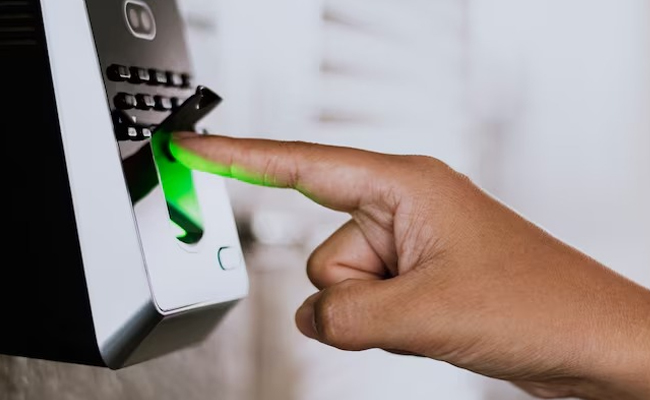
Bengaluru: In a bid to curb misconduct and illegal activities inside Parappana Agrahara Central Prison, prison authorities have introduced a new ‘Prisoners Tracking Movement System’ under which inmates will have to undergo biometric verification while entering every barrack.
According to jail officials, biometric systems have been installed across all major sections of the prison, including barracks, visitor rooms, hospital, canteen, kitchen, library, playground, handicraft units and bakery sections. Staff members have also been deployed at these locations.
Officials said inmates visiting the visitors’ room must now obtain a digital token after biometric verification. Details such as the prisoner’s name, identification number and entry time will be updated in the prison software system. This will help authorities maintain a complete digital record of inmates visiting and returning from meeting rooms.
Similar systems have also been introduced at entry points of the hospital, library and other barracks accessed for work-related purposes. Officials said the system will help identify prisoners involved in suspicious or illegal activities with other inmates and enable authorities to track how much time a prisoner spends at different locations inside the prison.
Authorities stated that AI-powered cameras were already being used inside the prison to monitor inmates as well as prison staff. Along with this, digital tracking of prisoner phone calls and a digital token system for visitor meetings have now been added to strengthen surveillance over inmate movement. Officials said the project has been implemented at a cost of around Rs 2.25 crore.
The prison department has also introduced a canteen usage tracking system to monitor prisoners’ spending patterns. Instead of direct cash payments, inmates can purchase bakery items and snacks using wallets or coupons issued within the prison system.
Officials said the digital system will record details including the buyer’s name, items purchased, quantity, date, time and remaining wallet balance. This will allow prison authorities to maintain complete expenditure records of inmates.