Elgar Parishad-Maoist links case: HC grants bail to Rona Wilson, Sudhir Dhawale
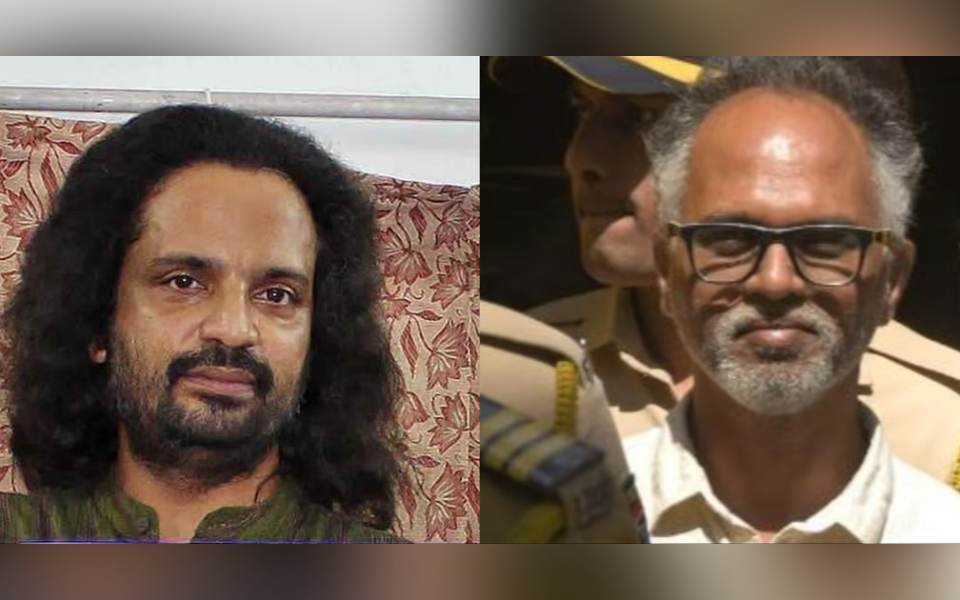
Mumbai, Jan 8: The Bombay High Court on Wednesday granted bail to researcher Rona Wilson and activist Sudhir Dhawale, both arrested in 2018 in the Elgar Parishad-Maoist links case.
A division bench of Justices A S Gadkari and Kamal Khata took note of their long incarceration, and the fact that the trial is not likely to be completed any time soon.
The accused were languishing in jail since 2018 and even the charges are yet to be framed by the special court, defence lawyers Mihir Desai and Sudeep Pasbola had argued.
The high court on Wednesday said it was not dealing with the merits of the case at this stage.
Wilson and Dhawale were directed to submit a surety of Rs one lakh each, and appear before the special NIA court for the trial hearing.
The bench noted that there are over 300 witnesses in the case, and hence it is not possible for the trial to be concluded in the near future.
The case pertains to provocative speeches allegedly delivered at the Elgar Parishad conclave held in Pune on December 31, 2017, triggering violence at Koregaon-Bhima in Pune district the next day.
The Pune police had claimed the conclave was backed by the Maoists.
The National Investigation Agency later took over the probe. Of the 16 persons arrested in the case, many are now out on bail.
Rona Wilson was arrested in June 2018 from his home in Delhi. He was described by the probe agencies as one of the top brass of urban Maoists.
Sudhir Dhawale was one of the first to be arrested, accused of being an active member of the banned Communist Party of India (Maoist).
Let the Truth be known. If you read VB and like VB, please be a VB Supporter and Help us deliver the Truth to one and all.
Bengaluru jail introduces biometric tracking system for prisoners
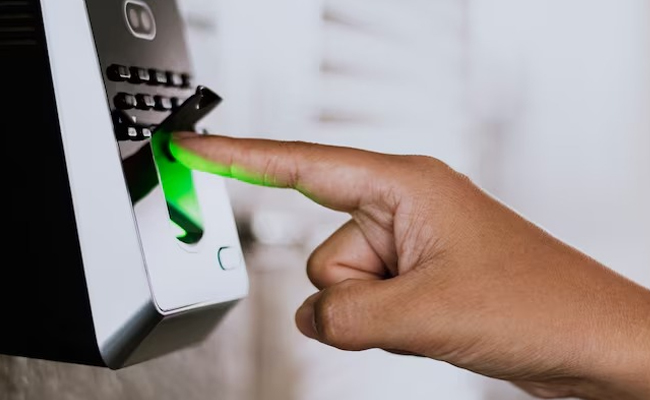
Bengaluru: In a bid to curb misconduct and illegal activities inside Parappana Agrahara Central Prison, prison authorities have introduced a new ‘Prisoners Tracking Movement System’ under which inmates will have to undergo biometric verification while entering every barrack.
According to jail officials, biometric systems have been installed across all major sections of the prison, including barracks, visitor rooms, hospital, canteen, kitchen, library, playground, handicraft units and bakery sections. Staff members have also been deployed at these locations.
Officials said inmates visiting the visitors’ room must now obtain a digital token after biometric verification. Details such as the prisoner’s name, identification number and entry time will be updated in the prison software system. This will help authorities maintain a complete digital record of inmates visiting and returning from meeting rooms.
Similar systems have also been introduced at entry points of the hospital, library and other barracks accessed for work-related purposes. Officials said the system will help identify prisoners involved in suspicious or illegal activities with other inmates and enable authorities to track how much time a prisoner spends at different locations inside the prison.
Authorities stated that AI-powered cameras were already being used inside the prison to monitor inmates as well as prison staff. Along with this, digital tracking of prisoner phone calls and a digital token system for visitor meetings have now been added to strengthen surveillance over inmate movement. Officials said the project has been implemented at a cost of around Rs 2.25 crore.
The prison department has also introduced a canteen usage tracking system to monitor prisoners’ spending patterns. Instead of direct cash payments, inmates can purchase bakery items and snacks using wallets or coupons issued within the prison system.
Officials said the digital system will record details including the buyer’s name, items purchased, quantity, date, time and remaining wallet balance. This will allow prison authorities to maintain complete expenditure records of inmates.