Ensure uninterrupted power supply during summer: Karnataka Minister to officials
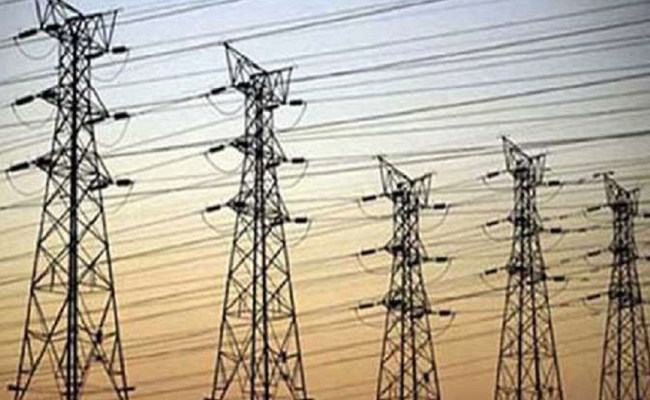
Bengaluru (PTI): Karnataka Energy Minister K J George on Friday directed the Energy Department to take comprehensive advance measures to ensure an uninterrupted and adequate power supply during the forthcoming summer, with clear instructions that load shedding must be avoided under all circumstances.
Chairing a review meeting with senior officials, the minister while asserting the department's preparedness for summer, emphasised the need to ensure adequate power generation and procurement to maintain a balance between demand and supply.
George also directed the department to assess anticipated power demand from March to May and make suitable arrangements, including power banking.
"Preparations must begin now to meet demand. Arrangements should be made to procure power from other states through exchanges or long-term purchase agreements, and agreements should also be entered into with sugar factories that generate power alongside sugar production. If surplus power is available during the summer, it can be sold to other states. However, there should be no shortage under any circumstances," George was quoted as saying by his office in a release.
Noting that in several parts of the state, agricultural pump sets are already being provided with 7 hours of continuous daytime power supply under the KUSUM-C scheme through feeder solarisation, he said. "Since solar power generation is currently high, a similar 7-hour continuous daytime power supply should be extended to agricultural pump sets in other regions as well," he added.
The Power Company of Karnataka Limited (PCKL) officials during the meeting informed that during the current financial year, a record power demand of 17,220 MW was recorded in December and was adequately met.
They stated that during the coming summer, power demand is expected to increase by about 5 per cent compared to last year, and preparations are underway to meet this demand, the release said, adding that, during peak demand hours -- morning and evening -- power from hydro and thermal generation will be distributed.
They further explained that with the water currently stored in the state's reservoirs, it is possible to generate 33 million units of electricity per day until the end of July.
Similarly, units at the Raichur, Yeramarus, and Ballari thermal power stations are being readied to produce the required power during summer. In addition, substantial power is also being generated from renewable energy sources, they added.
"Adequate infrastructure must be readied in advance to efficiently transmit and distribute the available power. Areas facing overload issues should be identified and solutions found. Through link systems, ensure that all regions receive adequate power supply," Gaurav Gupta, Additional Chief Secretary, Energy Department, said at the meeting.
Let the Truth be known. If you read VB and like VB, please be a VB Supporter and Help us deliver the Truth to one and all.
4 workers die after being buried under coal slurry in Jharkhand's Dhanbad
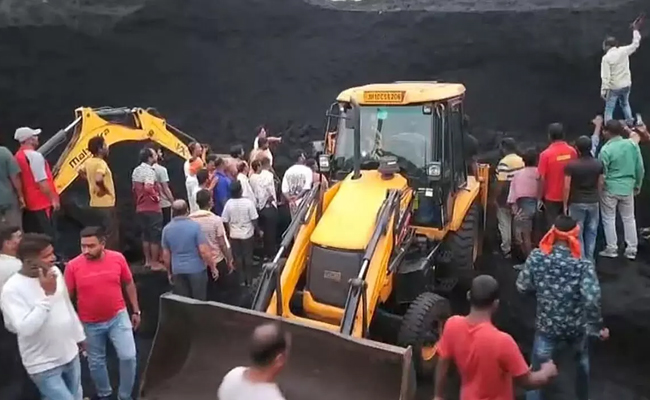
Dhanbad (Jharkhand) (PTI): At least four workers died after being buried under coal slurry in Jharkhand's Dhanbad district on Saturday, a police official said.
The incident took place at Moonidih coal washery in the command area of Bharat Coking Coal Limited (BCCL).
"Bodies of all four workers were dug out of debris during a rescue operation," Putki police station in-charge Waqar Hussain told PTI.
The incident took place when coal slurry was being loaded into trucks by workers, during which a large chunk of slurry fell and trapped several workers underneath, officials said.
The deceased have been identified as Manik Bauri, Dinesh Bauri, Deepak Bauri, and Hemlal Gope.
Meanwhile, the family members of the deceased and local villagers placed the bodies in front of the washery gate and began a protest.
They demanded compensation, jobs for dependents and action against those responsible for the incident.
Police and administration officials are trying to pacify the protesters, an official said.