'Essential for unifying society': Mohan Bhagwat bats for nationwide UCC
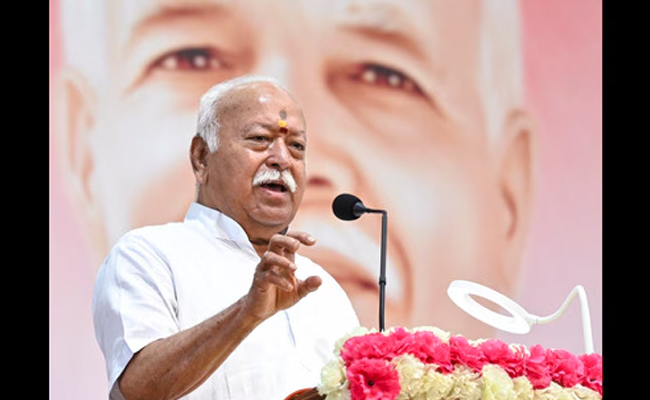
Dehradun (PTI): RSS chief Mohan Bhagwat has advocated for the nationwide implementation of the Uniform Civil Code, modelled after the one in Uttarakhand, terming it essential for unifying society.
At a former servicemen's event on Monday evening to mark the 100th anniversary of the Rashtriya Swayamsevak Sangh (RSS), Bhagwat said, “It would be a very good thing if the UCC is implemented… It would be good if it happened across the country. I believe it should be implemented in this way (like in Uttarakhand).”
Uttarakhand was the first state in the country to implement the Uniform Civil Code (UCC) on January 27 last year.
ALSO READ: Air ambulance with 7 onboard to Delhi from Ranchi crashes in Jharkhand's Chatra
Terming the UCC essential for unifying society, the RSS chief said that after the draft proposal for Uttarakhand was put up for public discussions, it drew suggestions from 3 lakh people, which were all looked into.
Asked about the UGC regulations aimed to curb caste-based discrimination at higher educational institutions, which have been stayed by the Supreme Court, Bhagwat refused to comment, saying the matter is currently before the top court.
Addressing the event attended by veterans and serving officers from the military and paramilitary forces, the RSS chief said that while the country is independent, defence forces will always be needed to safeguard the freedom.
He said the Sangh was established without any external resources and, despite facing severe sanctions twice, it continued to progress on the strength of the society's self-confidence.
Bhagwat also urged the former servicemen to attend Sangh camps and programmes to observe the dedicated work of the volunteers and to engage in service activities as per their interests and capabilities.
Let the Truth be known. If you read VB and like VB, please be a VB Supporter and Help us deliver the Truth to one and all.
Yogish Gowda murder case: HC issues notice to CBI after hearing Kulkarni’s plea
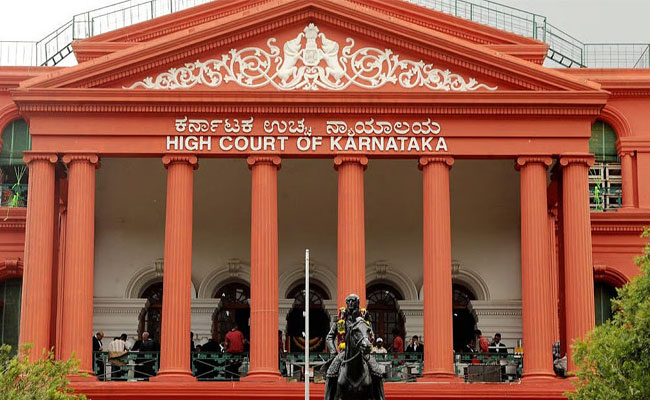
Bengaluru: Karnataka High Court has issued a notice to the Central Bureau of Investigation (CBI) following the filing of application by Congress MLA Vinay Kulkarni and Chandrashekhar Indi challenging the life imprisonment awarded to them by the Special Court for murder of BJP Dharwad leader Yogish Gowda.
The divisional bench comprising Justices Muhammad Nawaz and T Venkatesh Naik heard the pleas filed by Kulkarni on April 15 and Chandrashekhar Indi also called Chandu Mama on April 16.
The bench has now issued a notice to the CBI and also directed the HC Registry to obtain the trial court documents before adjourning the hearing.