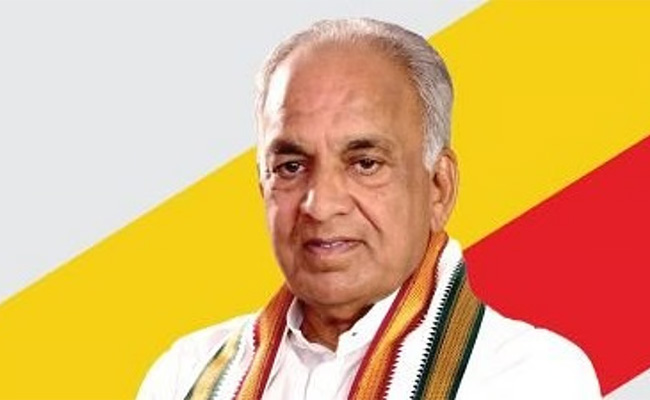
Ex-Indian cricket captain Azharuddin sworn in as minister in Telangana
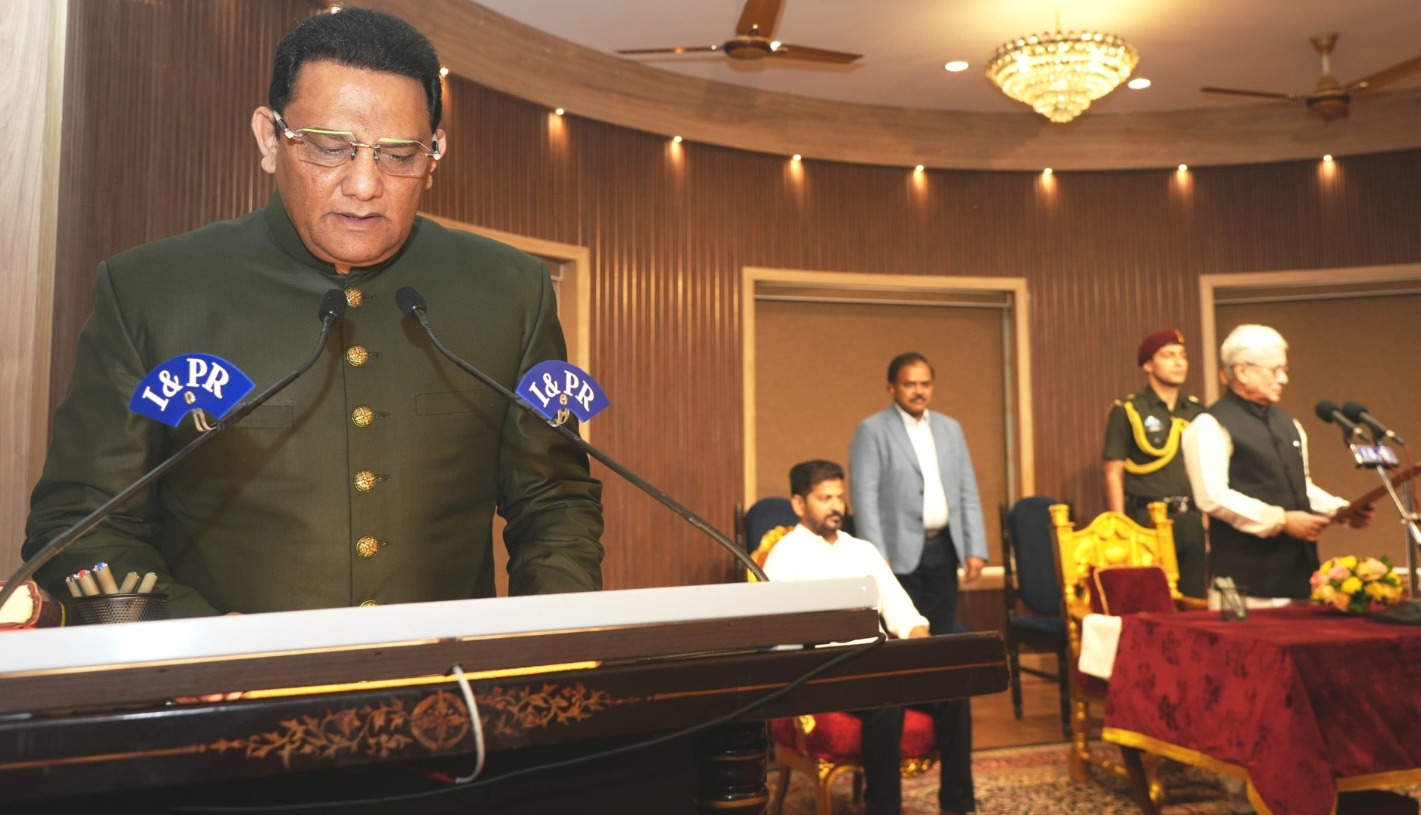
Hyderabad (PTI): Congress leader and former cricketer Mohammad Azharuddin was sworn in as a minister in Telangana CM A Revanth Reddy’s cabinet on Friday.
In a simple function held at Raj Bhavan, Governor Jishnu Dev Verma administered the oaths to the former Indian skipper in the presence of important leaders, including the CM.
With the inclusion of Azharuddin, the total strength of the cabinet rose to 16, with room for two more. As per the Assembly strength, Telangana can have 18 ministers.
The former cricketer’s appointment to the ministry is seen as a crucial step as the Congress party has been fighting tooth and nail in the Jubilee Hills bypoll, where over a lakh Muslim voters could play a decisive role.
The bypoll is necessitated due to the death of BRS MLA Maganti Gopinath in June this year, following a heart attack. Azharuddin was nominated as a Member of the Legislative Council (MLC) under the Governor’s quota by the Telangana government in August last week. However, Governor Jishnu Dev Varma is yet to clear the appointment.
Azharuddin unsuccessfully contested from the Jubilee Hills Assembly constituency in the 2023 polls.
There has been a request from Telangana Congress to the senior party leadership to make Azharuddin a minister, as currently, there is no representation of minorities in the state cabinet. AICC also approved Azharuddin’s name, Congress sources had earlier said.
With the induction, the former cricketer becomes the first minister from minority communities in Revanth Reddy’s cabinet.
Another Congress leader said the AICC may have shown inclination towards Azharuddin’s induction into the Cabinet in view of the upcoming Assembly polls in Bihar, where there is a large chunk of Muslim voters.
Let the Truth be known. If you read VB and like VB, please be a VB Supporter and Help us deliver the Truth to one and all.
Annpurna Devi expresses anguish over girl's rape in TN, urges NCW to act
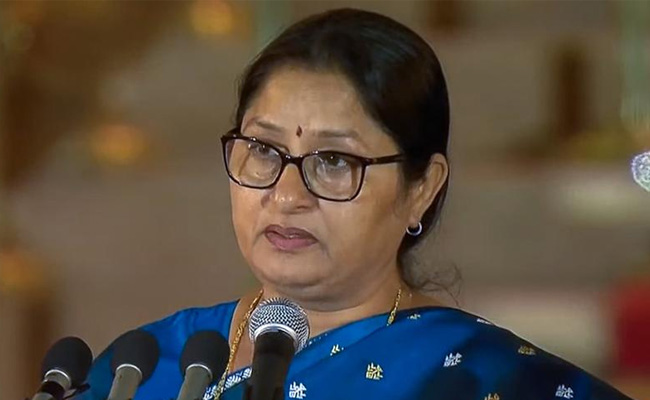
New Delhi (PTI): Union Minister for Women and Child Development Annpurna Devi on Tuesday expressed her anguish over the alleged gang rape of a girl in Tamil Nadu and urged the National Commission for Women to take immediate cognisance of the matter.
In a post on X, Devi said, "Deeply anguished by this horrific incident. I urge the NCW to take immediate cognisance and act swiftly in coordination with the concerned authorities to ensure the strictest action against all culprits."
Devi said, "Justice must be swift and unsparing — the accused must be brought to book without delay," adding, "the safety, dignity, and justice of every daughter of India remain our highest priority."
"We stand firmly with the survivor and her family in this difficult hour," she said.
Reacting to a post by former Tamil Nadu BJP president K Annamalai, who flagged concerns over the law and order situation in the state, Devi said such incidents "expose grave concerns" under the Dravida Munnetra Kazhagam government.
Annamalai, in his post, alleged that a 15-year-old girl from Kanchipuram, who had come to participate in a temple festival near Seyyaru in Tiruvannamalai district, was gangraped.
He said the incident was "deeply shocking and enraging" to him and alleged that such crimes point to a "complete failure" of law and order in Tamil Nadu.
Annamalai demanded immediate arrest of all those involved and the "harshest punishments" for the accused.
He also called for full protection and mental health counselling for the survivor and her family.