Exit polls predict win for BJP in UP, AAP in Punjab
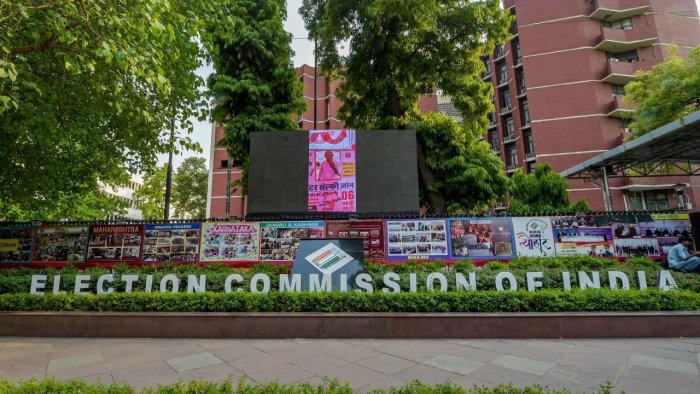
New Delhi, Mar 7: Several exit polls forecast a clear majority for the BJP in Uttar Pradesh and the Aam Aadmi Party in Punjab while being mixed in their predictions for Uttarakhand.
Exit polls on CNN News 18, Republic TV and News X channels showed the BJP-led National Democratic Alliance (NDA) getting 211-277 seats and its main challenger in the Samajwadi Party-led alliance getting anywhere between 119 and 160 seats in Uttar Pradesh. CNN News 18 predicted 262-277 seats for the BJP and allies and 119-134 for the SP and allies in the 403-member state assembly.
Most of them were also unanimous in predicting a big win for Delhi Chief Minister Arvind Kejriwal-led AAP in Punjab, with one exit poll on India Today projecting up to 76-90 seats in the 117-member assembly.
TV9 Bharatvarsh-Polstrat, however, predicted 56-61 seats for the AAP in Punjab, making it the frontrunner.
The ruling Congress was mostly predicted to be securing the second spot in Punjab.
In Uttarakhand, Both the Congress and the BJP were favoured by different exit polls to win the assembly polls. Some exit polls predicted a hung assembly in Goa while forecasting the BJP to have an edge over rivals in Manipur.
Let the Truth be known. If you read VB and like VB, please be a VB Supporter and Help us deliver the Truth to one and all.
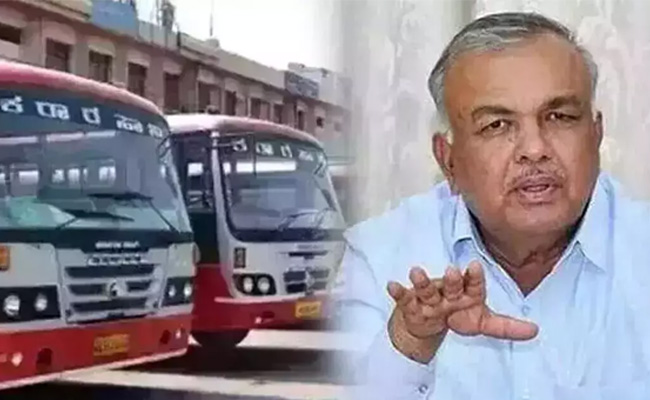
Congress using hijab issue to pacify minority anger, alleges Karnataka LoP R Ashoka
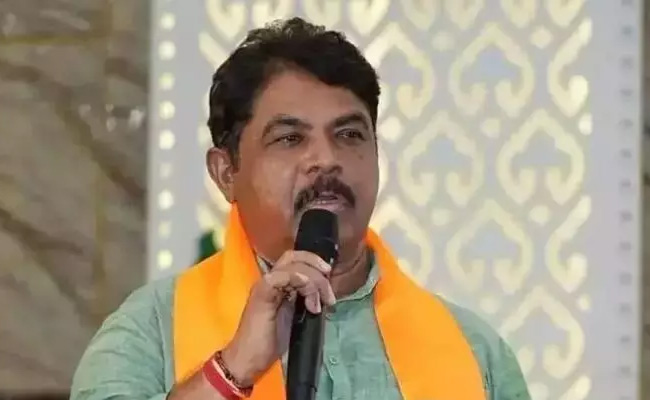
Bengaluru: Leader of Opposition in the Assembly R. Ashoka has accused the Congress government of using the hijab issue to placate what he described as discontent among minority voters after the Davanagere by-election.
In a post on X on Wednesday, Ashoka alleged that the state government, instead of addressing issues such as price rise, corruption, farmers’ distress and law and order, was attempting to retain its minority vote base by reviving the hijab issue.
Referring to the 2022 dress code introduced by the BJP government, which prohibited hijab in schools and colleges, Ashoka said the Karnataka High Court had upheld the policy and emphasised the importance of discipline in educational institutions.
He questioned the Congress government’s move to revisit the issue and asked whether setting aside the court-backed policy to benefit one community could be described as secularism.
Ashoka further alleged that while the government was willing to permit hijab, it continued to prohibit saffron shawls.
He accused the government of dividing students on religious lines rather than treating schools and colleges as spaces of equality.
Drawing a comparison with Mamata Banerjee’s government in West Bengal, Ashoka claimed that excessive appeasement politics had harmed the state and warned that the Congress in Karnataka could face a similar political response.
He said voters in Karnataka would teach the Congress a lesson for what he termed “vote-bank politics” and for compromising constitutional and judicial principles.