Fake property listings: Cops urge citizens not to fall for deals that seem too good to be true

Mumbai (PTI): The Maharashtra cyber police have urged citizens to stay cautious about fake property listings on popular online platforms and not get carried away by “beautiful images” or “extremely low rent”.
According to an advisory by the cyber police, scammers impersonate landlords or agents and demand advance payments via UPI or bank transfers.
Cybercriminals use platforms like OLX, Facebook Marketplace, and WhatsApp to dupe people, it said on Tuesday.
After initial talks with a prospective buyer or tenant, fraudsters bring up pretexts like “no physical visit allowed because the owner is abroad” or demand an advance to “block” the deal, it said.
While “extremely low rent” or “beautiful property images” are being used to lure victims, cybercriminals communicate only via WhatsApp or Telegram, use fake IDs and send rental agreements only digitally, an official said.
The cyber police have appealed to the public not to pay any advance without physically verifying a property. It urged citizens to make video calls to the agent or owner or meet them personally, besides using verified rental platforms with escrow or secure payment options.
Do not fall for deals that seem too good to be true, it said.
Officials have asked people to contact the cybercrime helpline 1930 if they find anything suspicious about the callers or persons approaching them about rental issues.
Let the Truth be known. If you read VB and like VB, please be a VB Supporter and Help us deliver the Truth to one and all.
VP, PM greet civil servants on Civil Services Day
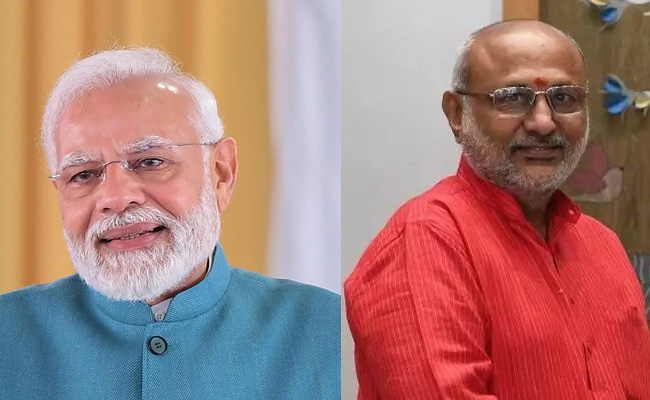
New Delhi (PTI): Vice President C P Radhakrishnan and Prime Minister Narendra Modi on Tuesday greeted civil servants on the occasion of Civil Services Day and said it is time to further strengthen the resolve to work towards good governance and nation building.
The Vice President said as the enduring pillar of India's administrative framework, the efforts of the civil servants in strengthening governance and delivering public services are of immense significance.
The prime minister said from the grassroots to policy-making, the efforts of civil servants touch countless lives and contribute to India's progress
"On the occasion of Civil Services Day, I extend my warm greetings to all civil servants and convey my sincere appreciation for your dedication and exemplary service to the nation," Radhakrishnan said in a post on X.
ALSO READ: 5.2-magnitude quake jolts Manipur
He said the theme for this year, "Viksit Bharat: Citizen-Centric Governance and Development at the Last Mile", aligns with the vision of Viksit Bharat 2047 and underscores the Government's commitment to transparent, accountable, and citizen-centric governance, with a strong emphasis on last-mile delivery and inclusive development.
"Let us all celebrate the day and continue to work collectively towards building an inclusive and developed India," he said.
The Vice President will deliver the keynote address at the Civil Services Day celebrations at Vigyan Bhawan here on Tuesday.
In his message, Modi greeted all civil servants on Civil Services Day and said this is an occasion to further strengthen the resolve to work towards good governance and nation building.
"May our civil servants continue to serve with excellence, compassion and innovation, upholding the highest standards of duty," he said.
The prime minister said service to the nation is the foundation of a 'Developed India'.
"On the glorious occasion of Civil Services Day, let us reaffirm our resolve to build a strong, prosperous, and sensitive India by bringing the person standing at the last line into the mainstream of development," he said.
The central government celebrates April 21 every year as 'Civil Services day' as an occasion for civil servants to rededicate themselves to the cause of citizen and renew their commitments to public service and excellence in work.
This date is chosen to commemorate the day when the first Home Minister of Independent India, Sardar Vallabhbhai Patel, addressed the probationers of Administrative Services Officers in 1947 in Delhi, and referred to civil servants as the 'steel frame of India'.