Felt like an earthquake, body parts were everywhere: Locals recount horror after Delhi blast
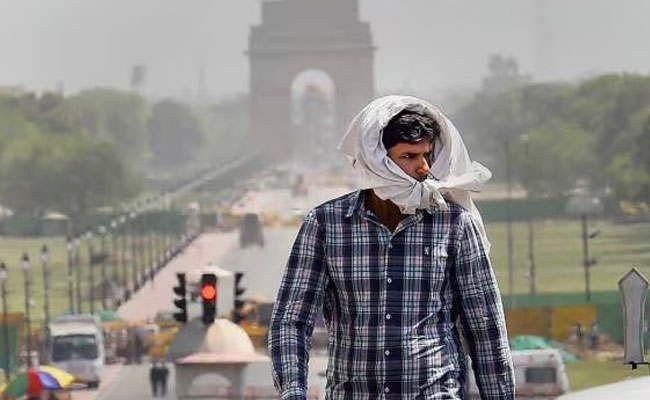
New Delhi (PTI): Body parts lay scattered, with some fragments even reaching the nearby Jain Mandir, leaving locals terrified and sleepless through the night. The powerful explosion near Delhi's Red Fort on Monday killed 12 people and left several injured, rattling one of the city's most crowded and historic neighbourhoods.
Karamjot, who sells bags in Chandni Chowk, recalled the chaos that unfolded moments after the blast. "I saw a large number of people running towards me from the Red Fort side. Everyone was screaming. I ran towards the gurdwara and took shelter there until things calmed down," she said.
JP Mishra, an employee at the Jain Mandir sports club, said locals rushed to help the injured before emergency teams arrived. "When I reached the spot, I saw dismembered bodies everywhere. Some of the body parts even came under my feet," he said, his voice trembling.
Another eyewitness, 45-year-old Karmayta Devi, who lives near the Jain Mandir, said her family could not sleep the entire night. "It felt like an earthquake. The ground was shaking. My 15-year-old son, who saw the bodies lying around, was terrified. Some parts of the bodies even flew into the Jain Mandir compound," she recounted.
Ten-year-old Priya, who lives close to the Red Fort, said the blast was so strong that the cement from the ceiling of her house fell off. "Our school is closed today. We couldn't sleep the whole night. I have never heard such a loud sound before," she said softly.
Meanwhile, shopkeepers fear they might incur losses for the next few months.
Chandan, who has a shop in a lane close to the blast site, recalled the horror and said, "We were at the shop when we heard a loud noise. It was all white, and the ground felt like it was shaking. We waited for five minutes, but as soon as we heard that it was a bomb blast, we closed our shop and went to our homes."
Another shopkeeper, Lakshay, said that despite the fear, they returned to their shops today only to have them closed by the authorities.
"This will result in huge losses to us in the next few months. Even if the authorities permit us to open our shops, fear will still linger in the minds of customers who come here, especially during the winter season. We will have to pay our bills and staff members," he told PTI.
The explosion has left the neighbourhood scarred, with fear and disbelief still hanging heavy in the air as investigators try to piece together the sequence of events behind the deadly blast.
Let the Truth be known. If you read VB and like VB, please be a VB Supporter and Help us deliver the Truth to one and all.
Lebanon appoints new representative for talks with Israel, rejects linkage to Iran
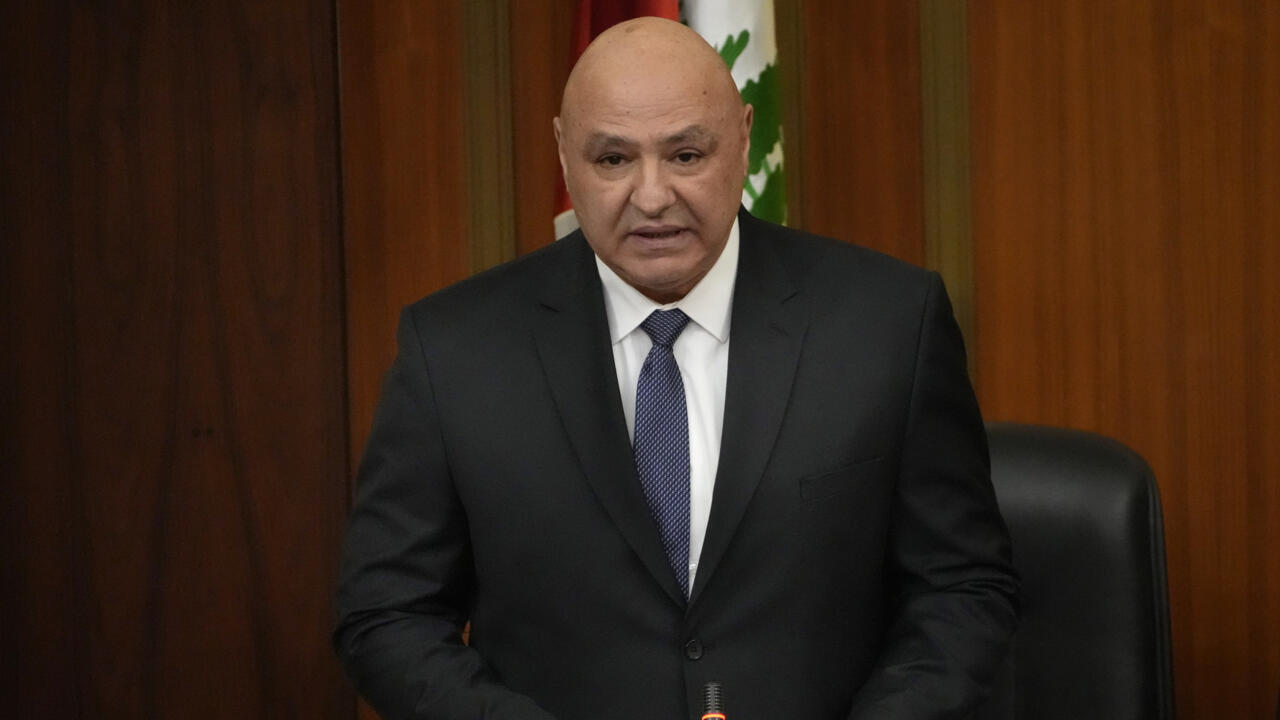
Beirut: Lebanon’s has moved to underline its independent position in ongoing regional developments, amid attempts to link the country to the broader conflict involving Iran, the United States and Israel.
President Joseph Aoun, while announcing the appointment of former US ambassador Simon Karam as Lebanon’s representative in talks with Israel, made it clear that Karam would be the sole representative for Lebanon and that there would be no substitute.
The move comes in response to what the Lebanese officials see as efforts by Iran to tie Lebanon’s situation to the wider regional conflict. Iran had indicated that there would be no ceasefire involving the US, Israel and Iran unless it also included a ceasefire in Lebanon.
Some groups, including Hezbollah and its supporters, had expressed support for linking the situations, citing concerns that the Lebanese government has limited leverage in negotiations with Israel. Lebanon is not formally a party to the conflict, and its army is considered weak.
However, others, including Prime Minister Nawaf Salam, have opposed this approach. They view Iran’s stance as an attempt to influence Lebanon’s internal affairs and see it as undermining the country’s sovereignty.
Officials backing the government’s position say the move is aimed at reaffirming Lebanon’s sovereignty and ensuring that decisions about peace and ceasefire within the country are not dictated externally.
They also see it as a safeguard, so that any breakdown in talks between the US, Israel and Iran does not automatically lead to renewed conflict in Lebanon.