Fresh PIL in SC against Centre's decision to block BBC documentary on Gujarat riots
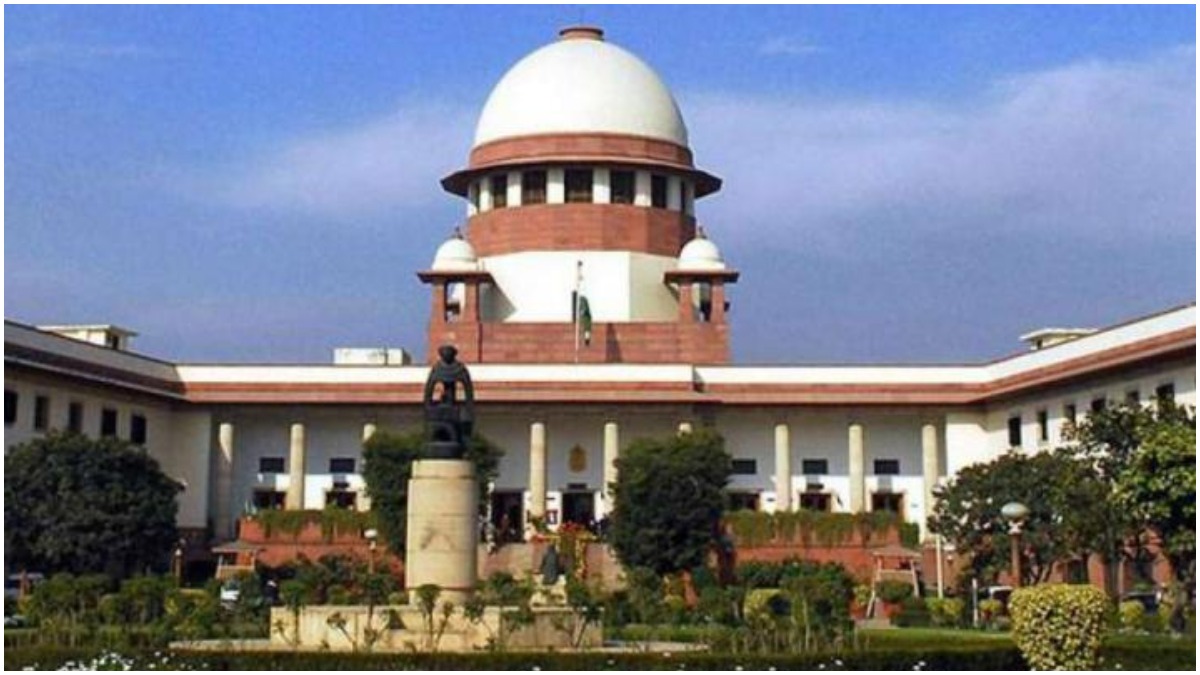
New Delhi (PTI): A fresh PIL was filed on Thursday in the Supreme Court challenging the Centre's decision to block a BBC documentary on the 2002 Gujarat riots.
The top court is already seized of two pleas filed by veteran journalist N Ram, Trinamool Congress MP Mahua Moitra, activist lawyer Prashant Bhushan and lawyer M L Sharma on the issue.
On February 3, a bench comprising justices Sanjiv Khanna and M M Sundresh had taken note of the two pleas and directed the central government to produce original records related to its decision to block the documentary on the riots. The matters are now listed for hearing in April.
The fresh third plea has been filed by Mukesh Kumar, who claims to be a social worker, through lawyers Roopesh Singh Bhadauria and Mareesh Pravir Sahay.
Lawyer Bhadauria also heads the legal cell of the Indian Youth Congress (IYC).
The plea has sought quashing of the "impugned Notification dated January 20, 2023 passed by the Ministry of Information Technology (Intermediary Guidelines and Digital Media Ethics Code) Rules,2021".
Besides, it has sought a direction to the central government to ensure screening of the documentary "without any law & order issue".
"The impugned office order/ notification has been issued in the most unlawful, arbitrary manner with utter non-application of mind. The same is unconstitutional on the face of it as it violates Articles 19(1) (2) (freedom of speech and expression), 14 (right to equality) of the Constitution," it said.
The blocking of the documentary infringed the freedom of speech and expression, right to opinion and public dialogue, discussion, debate and discourse, it said.
The plea also raised the issue of independence and security of press and referred to the ongoing Income-Tax "surveys" at BBC offices in New Delhi and Mumbai.
Earlier, N Ram and others had sought a direction to restrain the government from curbing their right to "receive and disseminate information" on the documentary.
"All citizens, including the press, have the fundamental right to view, form an informed opinion, critique, report on, and lawfully circulate the contents of the documentary as the right to freedom of speech and expression incorporates the right to receive and disseminate information...," their plea said and referred to several apex court orders on freedom of speech and expression.
The petition has also sought quashing of "all orders directly or indirectly censoring" the information, including those shared on social media.
The plea, which has made Twitter Communications India Private Ltd and Google India the parties, has also sought a direction for restoration of the tweets made by the petitioners.
Let the Truth be known. If you read VB and like VB, please be a VB Supporter and Help us deliver the Truth to one and all.
Court can reject anticipatory bail but cannot direct accused to surrender: SC
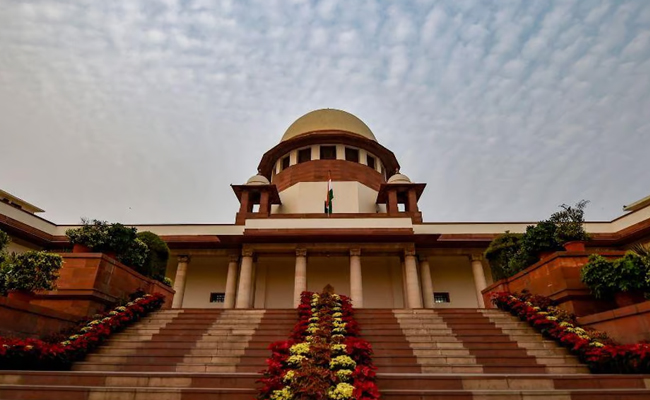
New Delhi (PTI): A court can reject anticipatory bail of an accused but it has no jurisdiction to direct him to surrender before the trial court, the Supreme Court has said.
A bench of Justices J B Pardiwala and Ujjal Bhuyan made the observation while hearing a plea filed by a man accused of cheating and forgery.
"If the court wants to reject the anticipatory bail, it may do so, but the court has no jurisdiction to say that the petitioner should now surrender," the bench said.
The Jharkhand High Court had rejected anticipatory bail plea of the accused and asked him to surrender and seek regular bail.
In this case, a complaint had been filed before a magistrate alleging offences under Sections 323 (voluntarily causing hurt), 420 (cheating), 467 (forgery of valuable security), 468 (forgery for purpose of cheating), 471 (using forged document) and 120B read with 34 of the IPC, in connection with a land dispute.
The high court had dismissed the second anticipatory bail application of the accused on the ground that no new circumstances were shown.
It had relied on its earlier order rejecting his first anticipatory bail plea, in which the court directed the petitioner to surrender before the trial court and seek regular bail in terms of the decision in Satender Kumar Antil v. CBI.
The top court said such a direction was wholly without jurisdiction and said that if a court chooses to reject anticipatory bail, it may do so, but it cannot compel the accused to surrender.