Gautam Singhania injured, 2 Indians missing in speedboat accident in Maldives
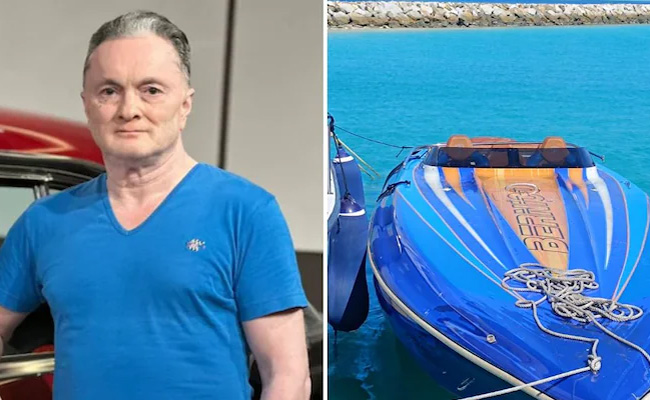
Male (PTI): Raymond Group Chairman & Managing Director Gautam Hari Singhania has sustained injuries, while two Indian nationals are reported missing after a speedboat capsized near Felidhoo island in the Maldives, according to local media reports.
There were seven people on board at the time of the incident near Vaavu atoll early Friday morning. Two women – a British national and a Russian national - and five Indian men were on board, the Edition.mv reported.
Police said five people fell into the sea when the vessel overturned, including the Russian woman and four Indian men.
Singhania, 60, who was among the tourists, has been rescued.
Citing police, news portal Adhadhu reported that he sustained minor injuries in the accident. He was discharged from the hospital after treatment, it added.
"The two missing persons are Indian nationals," police said, adding that search operations are on.
"The speedboat belongs to his yacht, TT Ashena. The Maldivian Coast Guard is still looking for two people who went missing in the accident," Adhadhu reported.
Citing sources, it said that the vessel involved in the accident was a Cigarette racing boat designed to be driven at high speeds.
Maldives National Defence Force's Male Area Command Coast Guard Second Squadron is searching for the missing individuals. The incident occurred about two nautical miles southwest of Keyodhoo, MNDF said.
Let the Truth be known. If you read VB and like VB, please be a VB Supporter and Help us deliver the Truth to one and all.
Lebanon appoints new representative for talks with Israel, rejects linkage to Iran
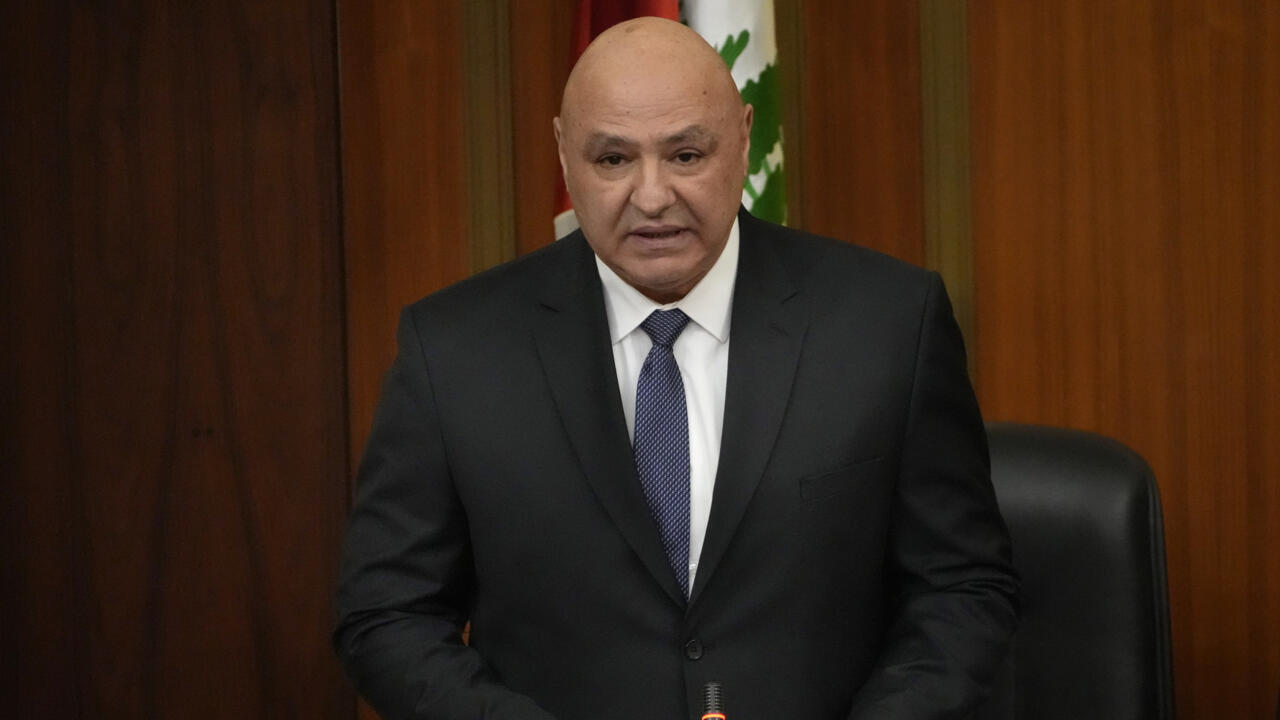
Beirut: Lebanon’s has moved to underline its independent position in ongoing regional developments, amid attempts to link the country to the broader conflict involving Iran, the United States and Israel.
President Joseph Aoun, while announcing the appointment of former US ambassador Simon Karam as Lebanon’s representative in talks with Israel, made it clear that Karam would be the sole representative for Lebanon and that there would be no substitute.
The move comes in response to what the Lebanese officials see as efforts by Iran to tie Lebanon’s situation to the wider regional conflict. Iran had indicated that there would be no ceasefire involving the US, Israel and Iran unless it also included a ceasefire in Lebanon.
Some groups, including Hezbollah and its supporters, had expressed support for linking the situations, citing concerns that the Lebanese government has limited leverage in negotiations with Israel. Lebanon is not formally a party to the conflict, and its army is considered weak.
However, others, including Prime Minister Nawaf Salam, have opposed this approach. They view Iran’s stance as an attempt to influence Lebanon’s internal affairs and see it as undermining the country’s sovereignty.
Officials backing the government’s position say the move is aimed at reaffirming Lebanon’s sovereignty and ensuring that decisions about peace and ceasefire within the country are not dictated externally.
They also see it as a safeguard, so that any breakdown in talks between the US, Israel and Iran does not automatically lead to renewed conflict in Lebanon.