Get political content vetted first: Election Commission official on TV serials
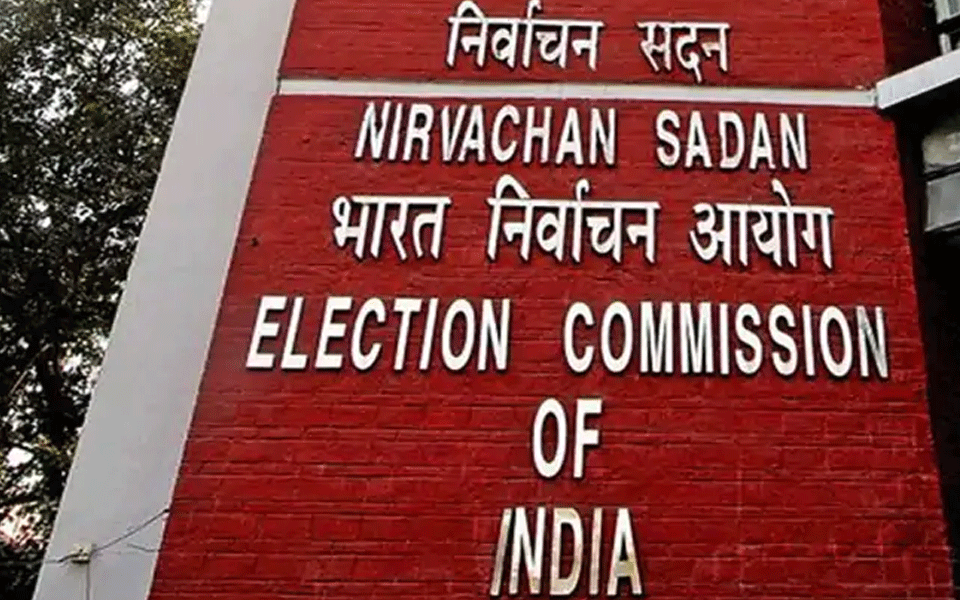
Mumbai: Election officials in Maharashtra have asked production houses of two Hindi TV serials accused of espousing the BJP-led government's schemes to get 'politically influential' content vetted with them before it is telecast.
The content telecast was a clear violation of the model election code, an official said.
Maharashtra's additional chief electoral officer Dilip Shinde, in an order issued on Monday said, "The production houses should get politically influential content checked from election officials before using it in their serials."
The Congress had taken objection to characters in the two TV serials praising government schemes like Pradhan Mantri Ujjwala Yojana, Swacch Bharat Abhiyan and Pradhan Mantri Mudra Yojana. The two production houses had subsequently replied to the notice.
"Going by the content aired, it is evident that it is a violation of model code of conduct, he said. "We have asked the production houses to remove the content from the serials immediately," he added.
Shinde said the explanation from producers of the two serials affirms the poll officials' opinion that the content aired intends to influence "one political party".
Election officials in Maharashtra directed producers of television serials Bhabhiji Ghar Par Hai and Tujhse Hai Raabta to remove content that was deemed to benefit prospects of a political party.
Last week, office of chief Electoral Officer (CEO) had served notices to Binaifer Kohli and Sanjay Kohlis Edit II Productions (Bhabhiji Ghar Par Hai) and Sonali Potnis and Aamir Jaffers Full Media House (Tujhse Hai Raabta) after it received a complaint from the Congress, accusing the two shows of espousing the benefits of schemes run by Prime Minister Narendra Modi-led government.
The Congress had taken objection to characters in the two TV serials praising government schemes like Pradhan Mantri Ujjwala Yojana, Swacch Bharat Abhiyan and Pradhan Mantri Mudra Yojana.
The two production houses had subsequently replied to the notice.
The producers had denied the allegations of promoting government schemes to propagate a political party, claiming they had no such intention. They also claimed that government schemes shown were general in nature," the official said.
The producers have also been asked to not to show any such content which may disturb the level playing field of any political party, the official said.
Let the Truth be known. If you read VB and like VB, please be a VB Supporter and Help us deliver the Truth to one and all.
CEC orders immediate arrest of those involved in post-poll violence in Bengal: Official
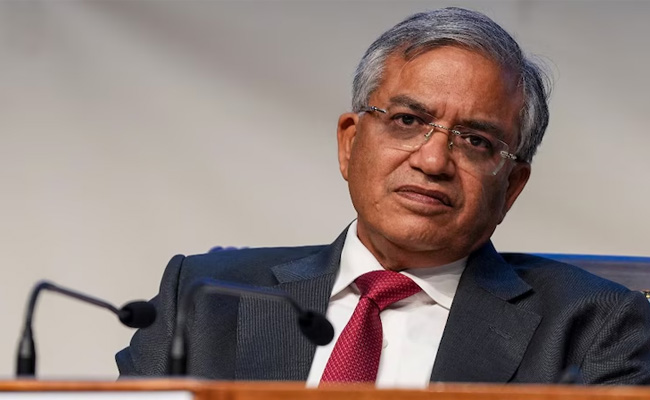
Kolkata (PTI): Chief Election Commissioner Gyanesh Kumar directed the authorities concerned to immediately arrest those involved in post-poll violence and vandalism in West Bengal, an official said on Wednesday.
The Election Commission's directive came after two persons were killed in alleged incidents of post-poll violence in the state on Tuesday, besides scores of party offices being ransacked.
The CEC issued instructions to the West Bengal chief secretary, director general of police, Kolkata police commissioner and directors general of central armed police forces, along with all district magistrates, superintendents of police and other officials, to maintain continuous patrolling in sensitive areas, he said.
"Those responsible for inciting violence and carrying out acts of vandalism must be arrested immediately," the official said, quoting the CEC's instruction.
The chief election commissioner also stressed the need for swift and firm enforcement of the law, he added.
This directive came amid concerns over law and order in parts of the state, with the Election Commission closely monitoring the situation, he added.
"We have been asked to remain on high alert and ensure that any attempt to disturb peace is dealt with firmly," a senior police officer said.
The state authorities have intensified vigil across districts, with coordinated efforts between the police and central forces to prevent any untoward incident, he added.
The assembly elections were held in West Bengal in two phases - April 23 and 29. The counting of votes took place on May 4.
The BJP sealed a landslide victory with 207 seats in the 294-member assembly, ending the TMC's uninterrupted 15-year rule in the state.