Goa Forward Party likely to contest 25 assembly seats in 2027, looks to strengthen voter base

Panaji (PTI): The Goa Forward Party (GFP) is likely to contest 25 of the 40 assembly seats in the coastal state as the outfit on Monday discussed plans to strengthen its voter base ahead of the 2027 elections.
The State Executive Committee of the party held a strategy meeting here under the chairmanship of GFP president Vijai Sardesai and discussed organisational matters and preparations for the next year's assembly polls.
GFP currently has one MLA in Goa and is an alliance partner of the Opposition Congress in the tiny tourist state, where the BJP is in power since 2012.
Talking to reporters, GFP general secretary Mohandas Lolienkar informed that the meeting discussed extensively the way forward for the party, which was part of the BJP-led government in 2017.
He stated that the GFP may contest 25 assembly seats as part of its plan to strengthen the organisation across Goa.
Lolienkar asserted his party's primary aim was to defeat the BJP and bring what he called "people's power" to the forefront.
On the Ponda assembly bypoll scheduled on April 9, he confirmed that the GFP will extend support to the Congress.
GFP general secretary (Organisation) Durgadas Kamat maintained the meeting focused on measures to expand the party and deepen its grassroots presence.
Kamat announced that a public meeting would be held on Goa Statehood Day (May 30) to connect with the masses and take forward the party's vision.
Let the Truth be known. If you read VB and like VB, please be a VB Supporter and Help us deliver the Truth to one and all.
Lebanon appoints new representative for talks with Israel, rejects linkage to Iran
Beirut: Lebanon’s has moved to underline its independent position in ongoing regional developments, amid attempts to link the country to the broader conflict involving Iran, the United States and Israel.
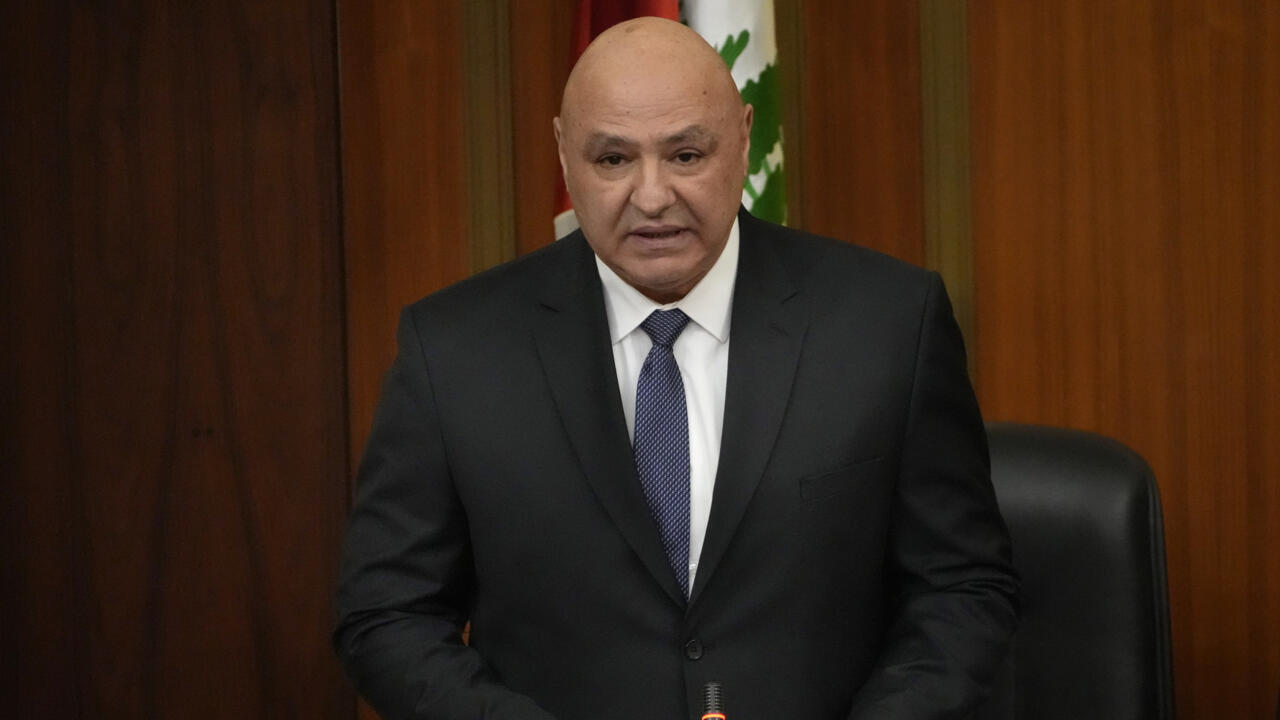
President Joseph Aoun, while announcing the appointment of former US ambassador Simon Karam as Lebanon’s representative in talks with Israel, made it clear that Karam would be the sole representative for Lebanon and that there would be no substitute.
The move comes in response to what the Lebanese officials see as efforts by Iran to tie Lebanon’s situation to the wider regional conflict. Iran had indicated that there would be no ceasefire involving the US, Israel and Iran unless it also included a ceasefire in Lebanon.
Some groups, including Hezbollah and its supporters, had expressed support for linking the situations, citing concerns that the Lebanese government has limited leverage in negotiations with Israel. Lebanon is not formally a party to the conflict, and its army is considered weak.
However, others, including Prime Minister Nawaf Salam, have opposed this approach. They view Iran’s stance as an attempt to influence Lebanon’s internal affairs and see it as undermining the country’s sovereignty.
Officials backing the government’s position say the move is aimed at reaffirming Lebanon’s sovereignty and ensuring that decisions about peace and ceasefire within the country are not dictated externally.
They also see it as a safeguard, so that any breakdown in talks between the US, Israel and Iran does not automatically lead to renewed conflict in Lebanon.