Goa govt to enforce uniform rates, crack down on illegal watersports activities: Minister
_vb_40.jpeg)
Panaji (PTI): Goa Tourism Minister Rohan Khaunte has said the government will implement uniform rates, standardised kiosks, and stricter enforcement to streamline watersports operations in coastal areas to provide the best possible experience to tourists in the state.
After chairing a meeting with stakeholders concerning the tourism industry on Wednesday, he said watersports activities have been a traditional source of livelihood for Goans.
“With time, we must ensure that regulations and transparency are maintained to provide the best possible experience for tourists,” he said.
The minister said the state has notified the rates proposed by watersports associations in an official gazette.
“Uniform rates for watersports across Goa from North to South have been finalised and will be implemented by all associations to ensure consistency,” he said, adding that the move will prevent overcharging and bring parity across beaches.
Khaunte said the government will clamp down on the illegal sale of watersports packages by unregistered travel agencies.
“The Tourism Department, in coordination with local panchayats and the watersports associations, will enforce strict measures to curb this activity without inconveniencing tourists,” he said.
He said some travel agencies were luring tourists away by selling tickets for watersports in neighbouring states, which has been classified as a nuisance under The Goa Tourist Places (Protection and Maintenance) (Amendment) Bill, tabled in the assembly in July this year.
The tourism department will integrate and promote the official portal of the watersports operators on the Goa Tourism website to raise awareness and ensure visitors have access to authentic information, he said.
To bring uniformity and credibility to authorised operators, Khaunte said kiosks offering watersports will soon sport a standard design across beaches.
“Whether one visits a beach in North or South Goa, the kiosks will have a standard look and feel, making them easily identifiable as official watersports kiosks,” he said.
He said that watersports associations have agreed to issue ID cards to their staff to curb touting. “This initiative is welcome, provided that proper data sharing with the Department of Tourism takes place after police verification,” he said.
The minister said the Captain of Ports has been instructed not to grant permissions for tourism activities during the monsoon ban period to protect marine biodiversity.
The meeting also discussed coordination between departments and stakeholders to ensure smoother operations and better safety protocols, he added.
Let the Truth be known. If you read VB and like VB, please be a VB Supporter and Help us deliver the Truth to one and all.
Trump says he ‘hasn’t even thought about’ continuing Iran ceasefire
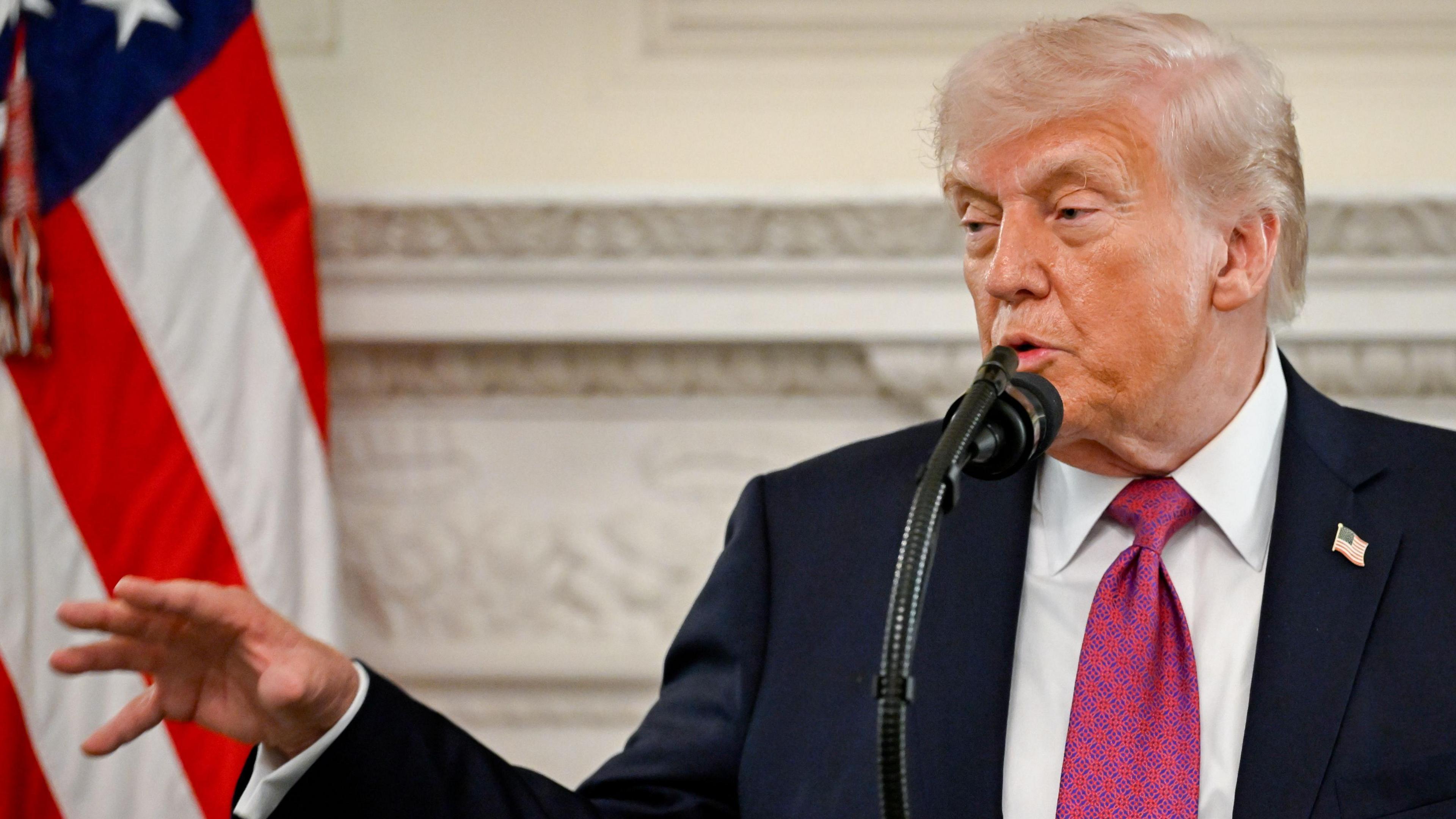
Washington: US President Donald Trump has said he has not yet considered whether he would continue the ceasefire involving Iran, while also claiming the United States holds the advantage in negotiations.
Speaking to reporters, Trump said he was prepared to make a deal with “whoever is running the show” in Iran.
“They are fighting with each other, there’s tremendous infighting. They’re probably fighting for leadership in many cases. I think they’re fighting not to be leader because we knocked out two levels of leaders,” he said.
Trump added, “When they want they can call me. We have all the cards, we’ve won everything.”
Referring to ongoing negotiations, he said, “They gave us a paper that should’ve been better. And, interestingly, immediately when I cancelled it [envoy trip to Pakistan], within 10 minutes we got a new paper that was much better.”
“We talked about they will not have a nuclear weapon, very simple … They offered a lot, but not enough,” he added.
When asked whether he would continue the ceasefire, Trump replied, “I haven’t even thought about it.”
The remarks come as uncertainty remains over the future of the temporary truce and broader negotiations between Washington and Tehran.