Govt decides to remove domestic airfare caps from Mar 23

New Delhi/ Mumbai (PTI): The government has removed temporary caps on domestic airfares that were imposed in the wake of the IndiGo flight disruptions in December last year.
The airfare caps removal will be effective from March 23, according to an order issued by the civil aviation ministry.
The removal also comes at a time when airlines are facing significant operational disruptions in international routes due to the West Asia conflict.
In the order, the ministry also said that airlines are required to exercise pricing discipline and act responsibly.
ALSO READ: UP: Body of 14-year-old girl found in Saryu River in Ballia; suicide suspected
"Airlines shall ensure that fares remain reasonable, transparent and commensurate with market conditions, and that passenger interests are not adversely impacted," it said.
The ministry also stressed that any instance of excessive or unjustified surge in fares, if observed particularly during periods of peak demand, disruptions, or exigencies, would be viewed seriously.
On a real-time basis, the ministry is monitoring the airfare trends.
According to the order, the temporary caps on domestic airfares were imposed on December 6 to contain an abnormal surge in ticket prices arising out of large-scale flight disruptions of IndiGo.
"... The prevailing situation has since stabilised, with restoration of capacity and normalisation of operations across the sector. Upon review, it has been decided that the fare cap imposed vide the aforesaid letter shall stand withdrawn with effect from 23rd March, 2026," the order said.
Let the Truth be known. If you read VB and like VB, please be a VB Supporter and Help us deliver the Truth to one and all.
Lebanon appoints new representative for talks with Israel, rejects linkage to Iran
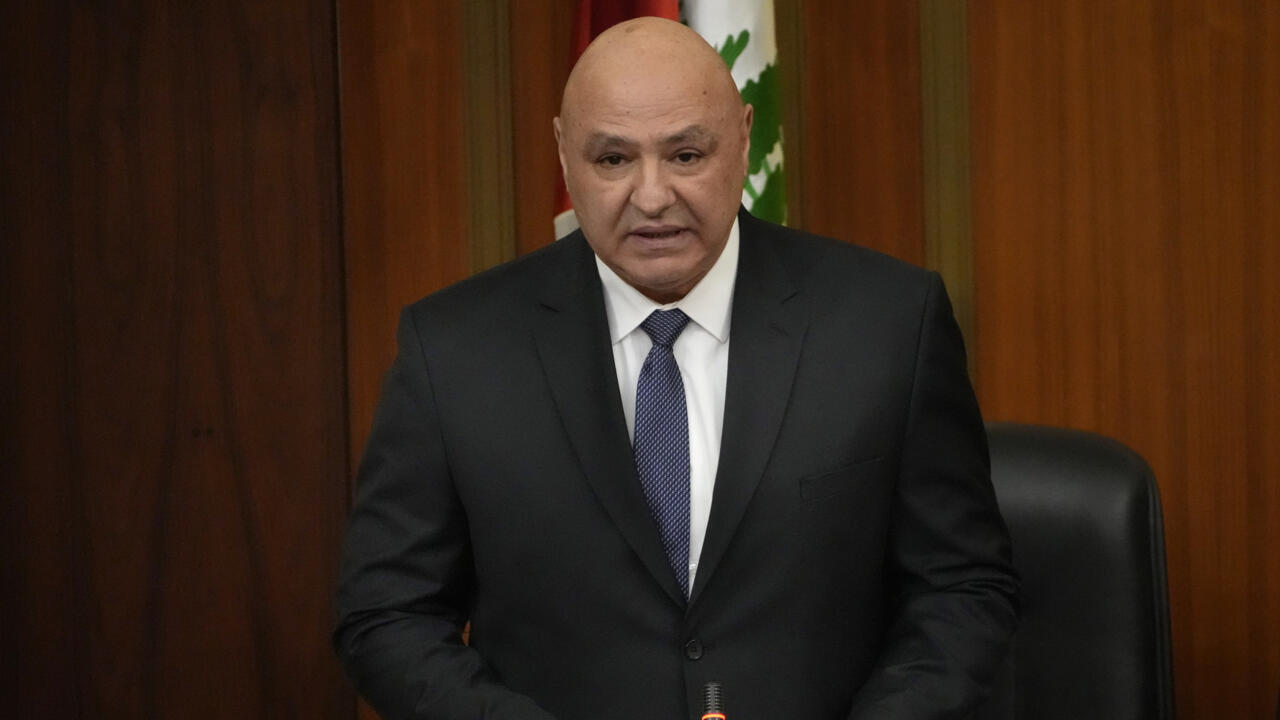
Beirut: Lebanon’s has moved to underline its independent position in ongoing regional developments, amid attempts to link the country to the broader conflict involving Iran, the United States and Israel.
President Joseph Aoun, while announcing the appointment of former US ambassador Simon Karam as Lebanon’s representative in talks with Israel, made it clear that Karam would be the sole representative for Lebanon and that there would be no substitute.
The move comes in response to what the Lebanese officials see as efforts by Iran to tie Lebanon’s situation to the wider regional conflict. Iran had indicated that there would be no ceasefire involving the US, Israel and Iran unless it also included a ceasefire in Lebanon.
Some groups, including Hezbollah and its supporters, had expressed support for linking the situations, citing concerns that the Lebanese government has limited leverage in negotiations with Israel. Lebanon is not formally a party to the conflict, and its army is considered weak.
However, others, including Prime Minister Nawaf Salam, have opposed this approach. They view Iran’s stance as an attempt to influence Lebanon’s internal affairs and see it as undermining the country’s sovereignty.
Officials backing the government’s position say the move is aimed at reaffirming Lebanon’s sovereignty and ensuring that decisions about peace and ceasefire within the country are not dictated externally.
They also see it as a safeguard, so that any breakdown in talks between the US, Israel and Iran does not automatically lead to renewed conflict in Lebanon.