Govt initiates process to appoint seniormost SC judge Justice Surya Kant as 53rd CJI
_vb_97.jpeg)
New Delhi (PTI): The government on Thursday initiated the process to appoint the next chief justice of India as incumbent B R Gavai demits office on November 23, sources said.
The letter asking Justice Gavai to name his successor is set to be delivered either this evening or on Friday, people aware of the procedure to appoint Supreme Court and high court judges told PTI.
According to the memorandum of procedure, a set of documents which guide the appointment, transfer and elevation of SC and HC judges, states that appointment to the office of the Chief Justice of India should be of the seniormost judge of the Supreme Court considered fit to hold the office.
The Union law minister would, "at the appropriate time", seek the recommendation of the outgoing Chief Justice of India for the appointment of his successor.
Conventionally, the letter is sent a month before the incumbent CJI retires on attaining the age of 65 years.
Justice Surya Kant is the seniormost judge after the CJI and is next in line to become the head of the Indian judiciary.
Justice Surya Kant, born in a middle-class family on February 10, 1962, in Hissar district of Haryana, became a top court judge on May 24, 2019.
Once appointed, he will have a tenure of nearly 15 months as the CJI till his retirement on February 9, 2027.
Justice Surya Kant brings to the country’s top judicial office a wealth of experience spanning two decades on the Bench, marked by landmark verdicts on abrogation of Article 370, free speech, democracy, corruption, environment and gender equality.
Justice Surya Kant was part of the historic bench that kept the colonial-era sedition law in abeyance, directing that no new FIRs be registered under it until a government review.
He nudged the Election Commission to disclose details of 65 lakh excluded voters in Bihar, showing his commitment to electoral transparency. He also made history by directing that one-third of seats in bar associations, including the Supreme Court Bar Association, be reserved for women.
Justice Surya Kant was part of the bench that appointed a five-member committee headed by former Supreme Court judge Justice Indu Malhotra to probe the security breach during Prime Minister Narendra Modi’s 2022 Punjab visit, saying such matters required “a judicially trained mind.”
He upheld the One Rank-One Pension (OROP) scheme for defence forces, calling it constitutionally valid, and continues to hear petitions of women officers in the armed forces seeking parity in permanent commission.
He was on the seven-judge bench that overruled the 1967 Aligarh Muslim University judgment, opening the way for reconsideration of the institution's minority status.
He was part of the bench that heard the Pegasus spyware case, which appointed a panel of cyber experts to probe allegations of unlawful surveillance, famously stating that the state cannot get a “free pass under the guise of national security.”
Let the Truth be known. If you read VB and like VB, please be a VB Supporter and Help us deliver the Truth to one and all.
Trump says he ‘hasn’t even thought about’ continuing Iran ceasefire
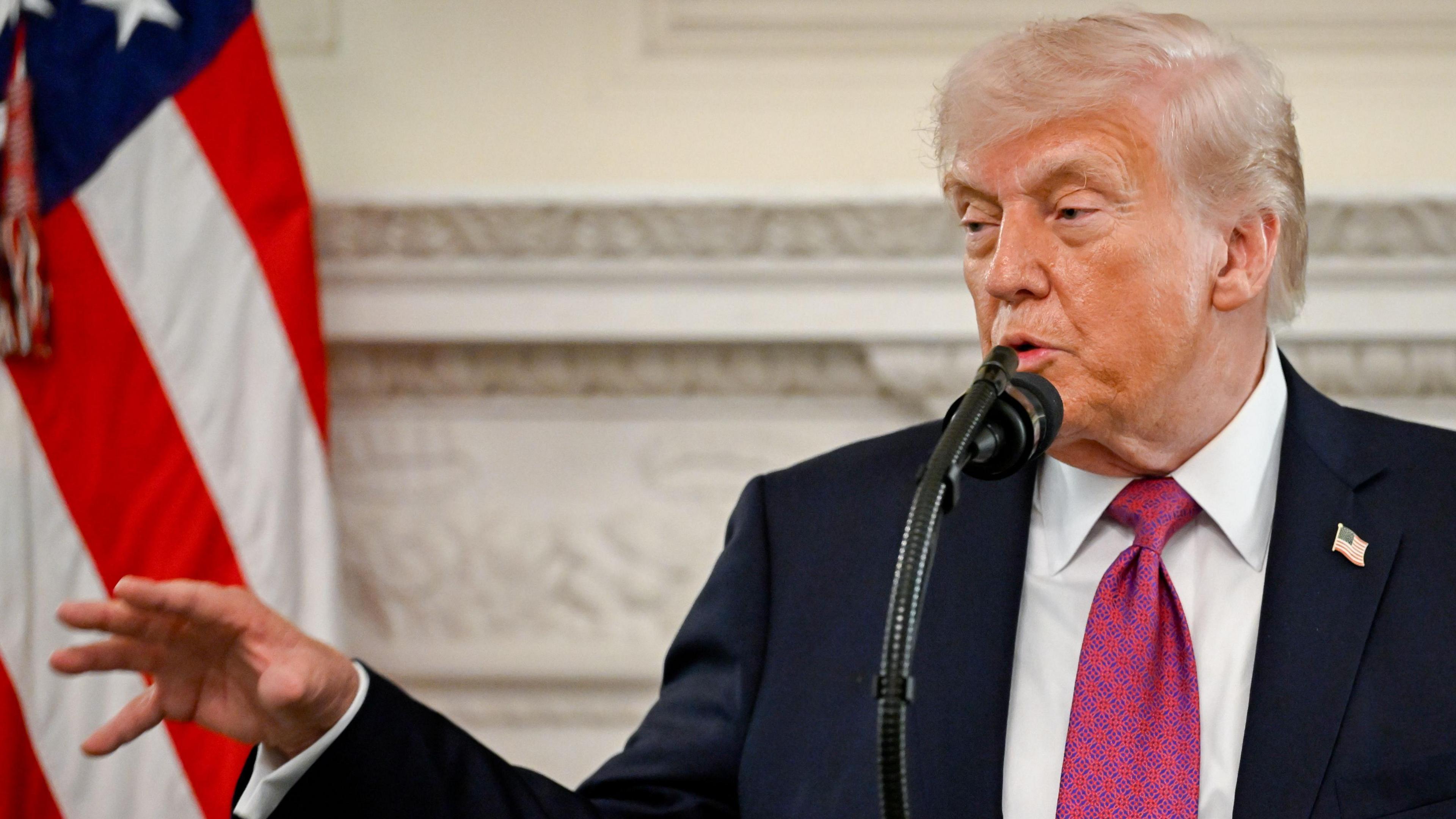
Washington: US President Donald Trump has said he has not yet considered whether he would continue the ceasefire involving Iran, while also claiming the United States holds the advantage in negotiations.
Speaking to reporters, Trump said he was prepared to make a deal with “whoever is running the show” in Iran.
“They are fighting with each other, there’s tremendous infighting. They’re probably fighting for leadership in many cases. I think they’re fighting not to be leader because we knocked out two levels of leaders,” he said.
Trump added, “When they want they can call me. We have all the cards, we’ve won everything.”
Referring to ongoing negotiations, he said, “They gave us a paper that should’ve been better. And, interestingly, immediately when I cancelled it [envoy trip to Pakistan], within 10 minutes we got a new paper that was much better.”
“We talked about they will not have a nuclear weapon, very simple … They offered a lot, but not enough,” he added.
When asked whether he would continue the ceasefire, Trump replied, “I haven’t even thought about it.”
The remarks come as uncertainty remains over the future of the temporary truce and broader negotiations between Washington and Tehran.