Govt reduced need to file RTI application through proactive disclosures: Amit Shah
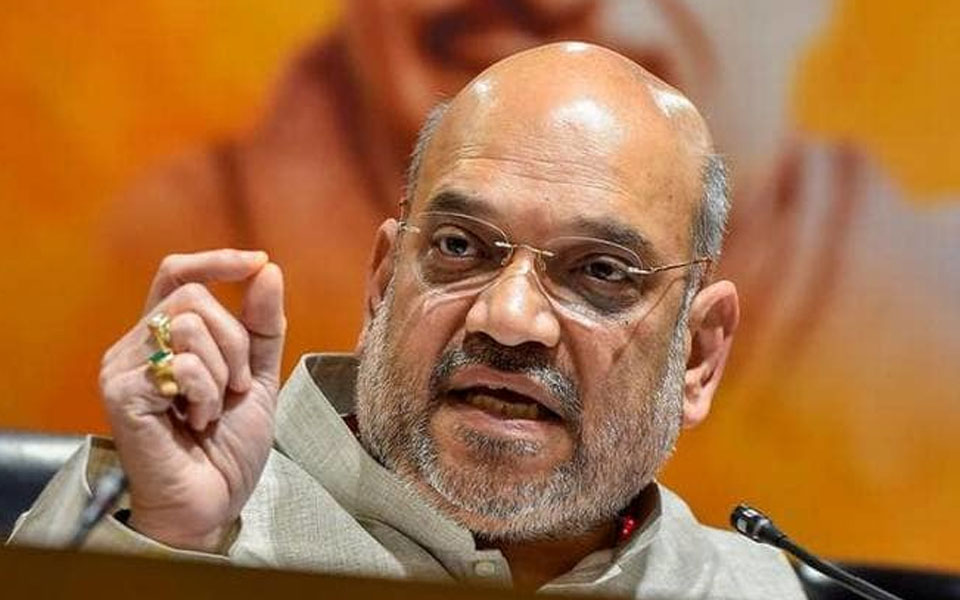
New Delhi: The objective of the Modi government is to proactively put out as much information as possible in public domain to reduce the need for RTI applications, Union Home Minister Amit Shah said on Saturday.
The success of a government does not lie in the high number of Right to Information (RTI) applications, Shah said while addressing the 14th annual convention of the Central Information Commission (CIC) here.
"Low number of RTI applications in spite of convenient avenues to file them means the government's work is satisfactory. Large number of RTI applications does not represent the government's success.
"We want to introduce a system where people do not feel the need to file an RTI application to get information," the home minister, who was the chief guest at the event, said.
The dashboard system introduced by Prime Minister Narendra Modi has ensured that everyone gets information about ongoing schemes online without filing RTI applications, Shah said.
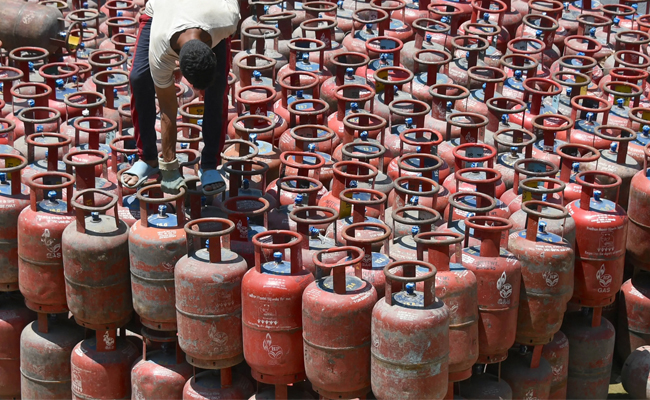
"Through the use of dashboard, we began a new transparent era. One can go to the dashboard and see how many toilets have been built. Using the dashboard, one can check when one will get electricity connection under the Saubhagya Yojna. Any illiterate woman can click the dashboard and get to know when she will get a cooking gas cylinder," he said.
Asserting that RTI should be there, Shah said the government has gone two steps ahead of the law in ensuring transparency.
"The government has made the administration's work so transparent that there is minimum requirement to file RTI applications. The system should function in a way that we don't need to file RTI applications," he said.
"I have a request to the CIC, that you not only dispose of RTI applications but also inform people about the steps that have been taken to ensure that we do not need to file RTI applications," the home minister said.
Shah said during the last 14 years, the country has been successful in fulfilling the intention of framing the law. The fundamental thought behind the RTI Act is to build the trust of the public in the system, he said.
"The system runs on the four corners of the Constitution. The core objective of this law is to create trust among people that the system runs according to the Constitution.
"When this trust awakens about the Constitution and the system, the participation of people increases automatically which takes the country forward. But when there is mistrust, participation of people takes a back seat," he said.
In a country like ours, it is important that trust and involvement of people in the rule and system are strengthened, the home minister said.
"We came out of a very long colonial rule when the objective of the administration was not the welfare of the people or treating them equally. The objective of the administration at that time was to fulfil the wishes of their masters. Because of this a gorge of mistrust developed between the people and the adminstration," he said.
The mistrust was so deep that it seemed difficult that people will be able to come out of it, Shah said.
"During the last 14 years, we have been able to fill gap of mistrust using the RTI. The trust of the people in the administration and the system has awakened," he said.
Calling the transparency law a major milestone in the democratic journey of the country, he said that "we can give good governance only through transparency and accountability, and the RTI has helped us a lot in improving transparency and accountability".
"When we assess the results of the RTI, we find that transparency has been increased, corruption has been reduced and the speed of governance has also been increased due to the RTI Act. We are heading towards a digitally empowered society," the home minister said.
Let the Truth be known. If you read VB and like VB, please be a VB Supporter and Help us deliver the Truth to one and all.
Mumbai-Pune Expressway connecting link now fully operational
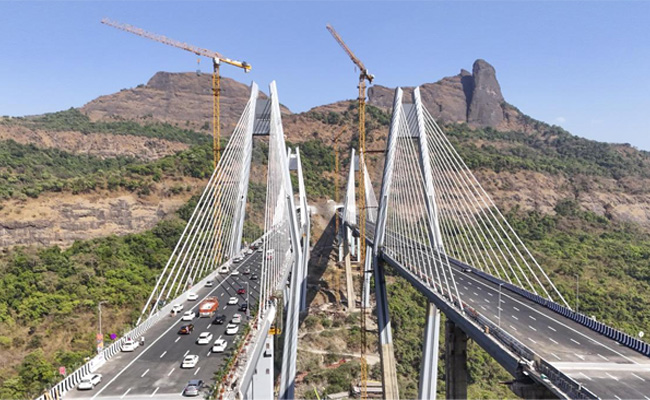
Mumbai (PTI): The Mumbai-bound carriageway of the Mumbai-Pune Expressway connecting link was opened to vehicular traffic on Saturday noon after a delay caused by the dismantling of inauguration infrastructure and cleaning work, a day after the Pune section became operational.
The 13.3 km-long "missing link", which bypasses a section of the Bhor Ghat stretch of the expressway and cuts travel time between Mumbai and Pune by 25 to 30 minutes, was inaugurated a day earlier by Chief Minister Devendra Fadnavis in the presence of Deputy CMs Eknath Shinde and Sunetra Pawar.
The Pune-bound carriageway of the corridor was opened to traffic immediately; however, the Mumbai-bound section remained closed to traffic for several hours after the inauguration.
An official of the Maharashtra State Road Development Corporation told PTI on Saturday that the opening of the Mumbai-bound carriageway was delayed mainly due to the dismantling of the inauguration infrastructure and cleaning work.
The removal of the stage and other decorations was completed in the morning. The work to load and transport the material slightly delayed the opening of the carriageway.
Vehicular movement on the carriageway began after all the remaining material was cleared and road cleaning was completed, the official added.
The expressway control room said that despite significant vehicular movement, the access-controlled highway has not witnessed any major traffic snarls since Friday evening, after the Pune-bound carriageway of the missing link was opened to traffic.
The Missing Link project connects Khopoli (in Raigad) on the Mumbai side to Kusgaon near Lonavala in Pune district and is expected to make the expressway fully access-controlled, easing congestion in the ghat section.
Developed by the MSRDC and dubbed an "engineering marvel", the project includes two tunnels, two viaducts and a cable-stayed bridge over Tiger Valley. It bypasses the steep, accident-prone ghat section, where frequent traffic snarls are reported during weekends and on public holidays.