Govt slashes excise duty on petrol to Rs 3/litre, exempts diesel to shield consumers
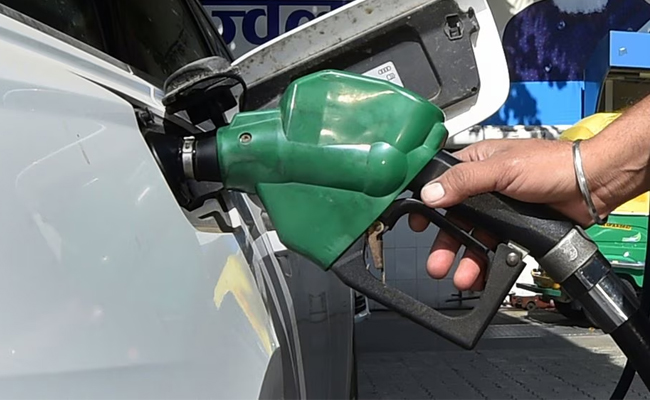
New Delhi (PTI): The government has slashed excise duty on petrol to Rs 3 a litre and exempted diesel from the duty as it seeks to shield consumers from the impact of rising global crude prices amid the ongoing war in the Middle East.
Global crude prices have risen by almost 50 per cent since the United States and Israel launched military strikes against Iran on February 28, triggering sweeping retaliation from Tehran.
In a notification issued late on March 26, the Finance Ministry cut excise duty to Rs 3 a litre, from Rs 13 a litre earlier, while the levy on diesel has been slashed to nil from Rs 10 earlier. The duty cuts are effective immediately, the ministry said.
Despite the spike in international prices, retail pump rates have not been changed putting a strain on finances of oil companies.
ALSO READ: AI enters Kerala's poll battlefield, reshaping campaigns across party lines
To give relief to oil companies, the government has cut excise duty on petrol and diesel.
Tracking the excise duty cut notification, shares of fuel retailers IOC, BPCL and HPCL opened higher on BSE.
Rating agency ICRA, in a note on Thursday, had said if the average crude oil price goes up to USD 100-105/bbl, fuel retailers would incur a loss of Rs 11 per litre on petrol and Rs 14 per litre on diesel, respectively.
ICRA had also said that the government may reduce excise duty rates on petrol and diesel to keep retail sale prices stable at existing levels, giving oil companies more headroom to collect additional revenue to compensate for refining losses.
International oil prices touched USD 119 per barrel earlier this month on the intensifying Iran war, before pulling back to around USD 100 a barrel.
India imports 88 per cent of its crude oil needs and roughly half of its natural gas requirement. These mostly come via the Strait of Hormuz.
Following the US and Israeli attacks on Iranian government, military and nuclear facilities, Iran warned shipping away from the strait, and insurers withdrew coverage, effectively halting tanker movements.
Nayara Energy, which operates 6,967 of India's 102,075 petrol pumps, has decided to pass on part of the increase in input costs to consumers and has raised petrol prices by Rs 5/litre and diesel by Rs 3/litre. Petrol at Nayara pumps now costs Rs 100.71 a litre and diesel costs Rs 91.31 per litre.
Jio-bp, the fuel retailing joint venture of Reliance Industries and BP Plc that owns 2,185 outlets, has, however, so far not raised prices despite incurring heavy losses on the sale of petrol and diesel.
State-owned fuel retailers, who control about 90 per cent of the market, continue to keep rates frozen. A litre of normal petrol in Delhi continues to cost Rs 94.77, while the same grade diesel comes for Rs 87.67 a litre.
Let the Truth be known. If you read VB and like VB, please be a VB Supporter and Help us deliver the Truth to one and all.
Udhayanidhi accuses BJP of not releasing funds for TN
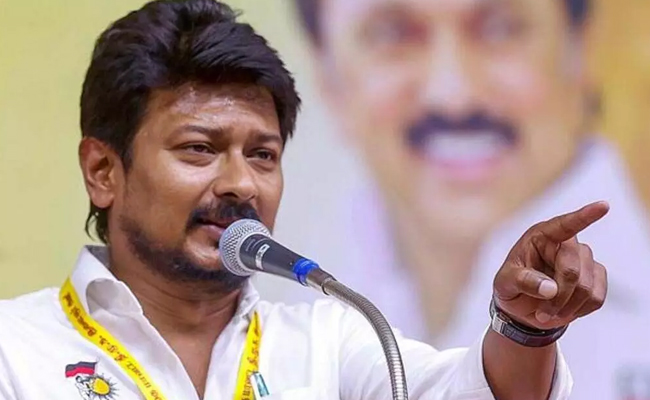
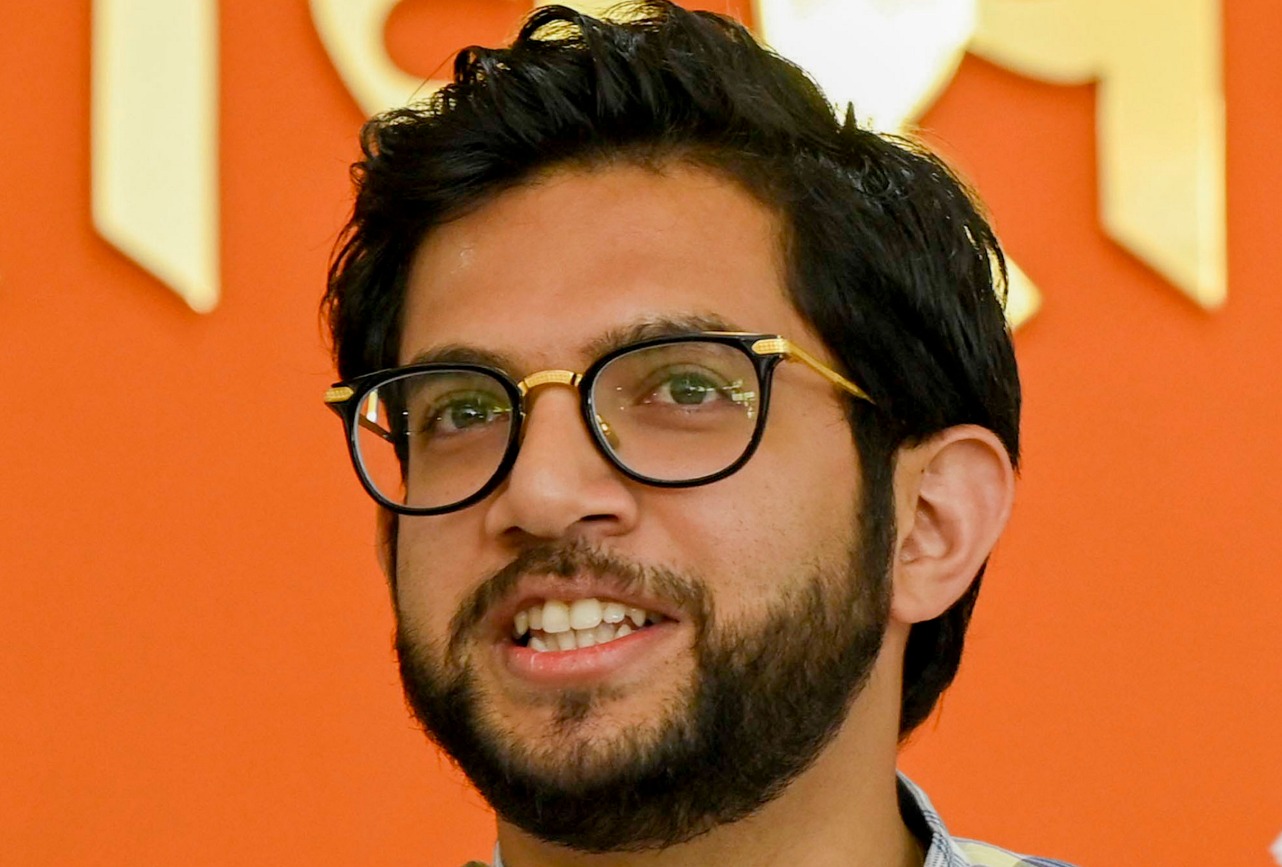
Gobichettipalayam (PTI): Tamil Nadu deputy chief minister Udhayanidhi Stalin on Saturday charged the BJP government at the Centre with not releasing funds to the state and accused it of "snatching" TN's rights.
Addressing a poll rally at Gobichettipalayam in the western Erode district, the DMK youth wing chief claimed the Centre has not released funds to the tune of Rs 3,000 crore for education.
"They (union government) have snatched all our rights," he charged.
With regard to the Centre's proposal for delimitation, he said chief minister M K Stalin was the first person in the country to raise the voice against the union government's move. He claimed that it was a "huge victory" for the INDIA alliance, as the bill was defeated for lack of majority after the opposition voted against it in the Lok Sabha.
Listing out various welfare measures implemented by the DMK government, he said the existing "Kalaignar Magalir Urimai Thogai" (monthly financial assistance for women) will be doubled to Rs 2,000 if DMK was voted to power again.
The deputy chief minister charged that the BJP and AIADMK have tried to stall it by moving the court. "At present more than 1.3 crore women have benefited from the scheme", he said.
"Similarly, the breakfast scheme for the government school students will be extended till Class VIII", he said adding "more than 35 lakh college students across the state will be getting free laptops once the DMK government is formed".
Udhayanidhi also pointed out at the "Illatharasi" poll promise, providing Rs 8,000 worth of coupons to non-income tax paying women where they could buy or replace any household appliances of their choice.
Elections to 234 Assembly seats in Tamil Nadu will be held on April 23 and the results declared on May 4 following counting of polled votes.