Govt to procure six fast patrol boats for armed forces, issues RFP
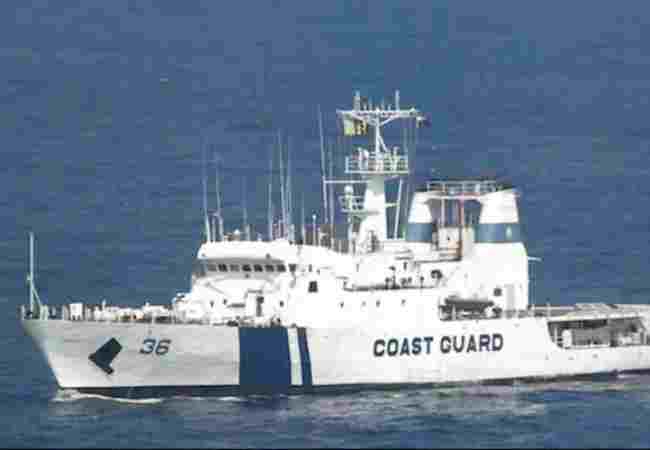
New Delhi (PTI): The government plans to procure six fast patrol boats for the armed forces, essentially required to acquire capability of small team insertion for "surveillance and reconnaissance", according to the Request for Proposal (RFP) issued for it.
The opening date for the 'Request for Technical and Commercial Proposal for Procurement of six fast patrol boats (FPBs) under Buy (Indian-IDDM) category', is October 21, and the closing date is January 13, 2026.
'Buy (Indian-IDDM)' category refers to the procurement of products from an Indian vendor that have been indigenously designed, developed and manufactured with a minimum of 50 per cent indigenous content on cost basis of the total contract value.
According to the salient aspects and timelines of the acquisition mentioned in the RFP, the minimum indigenous content should be 60 per cent.
The Ministry of Defence "intends to procure quantity six Fast Patrol Boats and seeks participation in the procurement process from prospective bidders subject to requirements", the RFP says.
The FPBs are "essentially required to acquire capability of small team insertion for surveillance and reconnaissance, patrolling and domination of water bodies, deployment for intervention operation of high speed crafts, in support of direct action and operations in shallow and muddy waters", it further says.
According to the document, the boat shall also be employed to carry out patrolling and surveillance of conflict zone.
The end user of the equipment is the Indian armed forces, the RFP says.
"The government of India invites responses to this request only from Original
Equipment Manufacturers (OEM) or Authorised Vendors subject to the condition that in case where the same equipment is offered by more than one of the aforementioned parties, preference would be given to the OEM," it adds.
The last date for submission of pre-bid queries is November 11 while the last date and time for bid submission is "January 13, 2026, 1300 hrs".
The RFP is being issued with "no financial commitment", and the Ministry of Defence "reserves the right to withdraw the RFP and change or vary any part thereof or foreclose the procurement case at any stage", it says.
The government of India also reserves the right to disqualify any bidder should it be so necessary at any stage "on grounds of national security", according to the RFP.
Let the Truth be known. If you read VB and like VB, please be a VB Supporter and Help us deliver the Truth to one and all.
Trump says he ‘hasn’t even thought about’ continuing Iran ceasefire
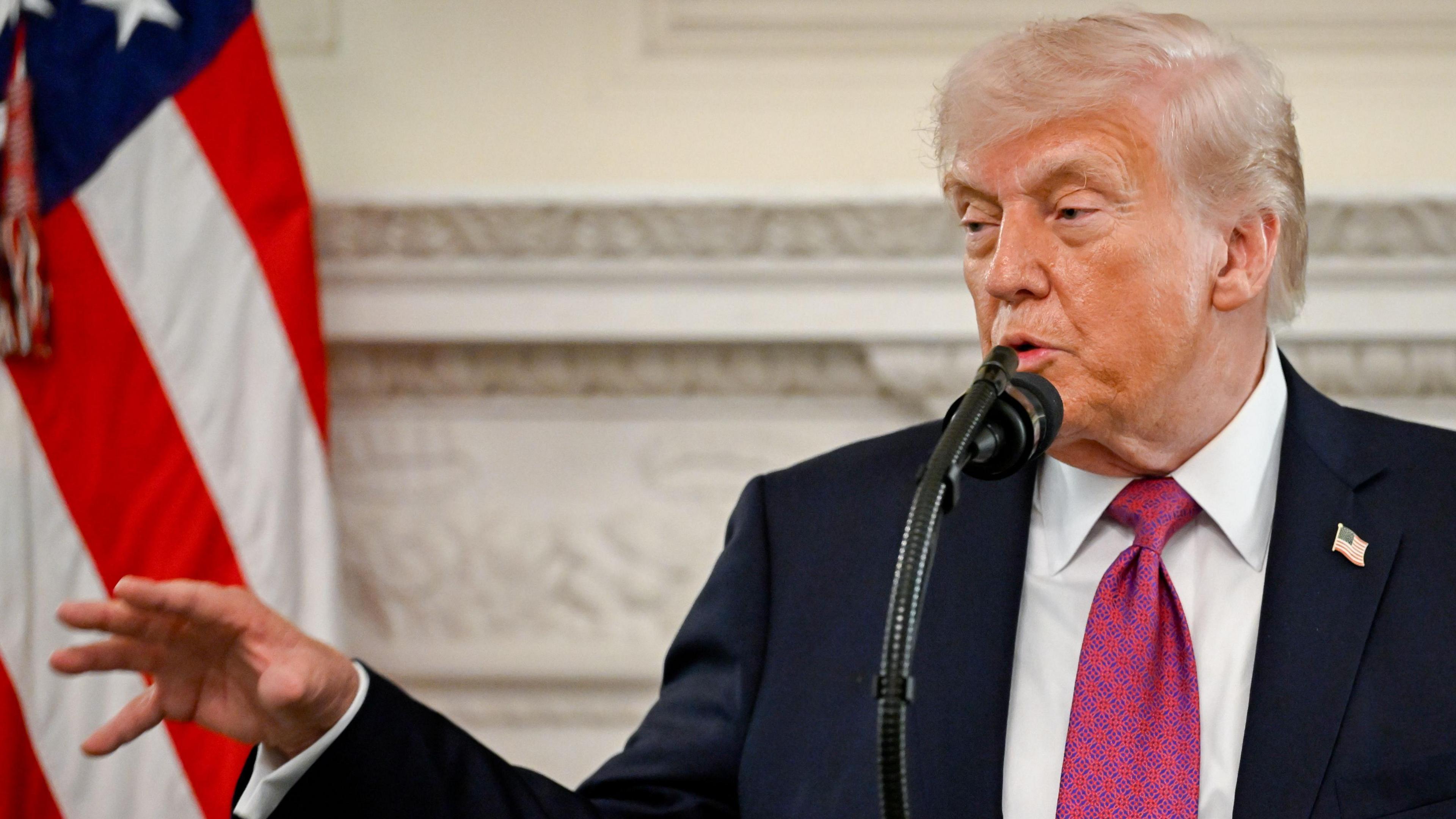
Washington: US President Donald Trump has said he has not yet considered whether he would continue the ceasefire involving Iran, while also claiming the United States holds the advantage in negotiations.
Speaking to reporters, Trump said he was prepared to make a deal with “whoever is running the show” in Iran.
“They are fighting with each other, there’s tremendous infighting. They’re probably fighting for leadership in many cases. I think they’re fighting not to be leader because we knocked out two levels of leaders,” he said.
Trump added, “When they want they can call me. We have all the cards, we’ve won everything.”
Referring to ongoing negotiations, he said, “They gave us a paper that should’ve been better. And, interestingly, immediately when I cancelled it [envoy trip to Pakistan], within 10 minutes we got a new paper that was much better.”
“We talked about they will not have a nuclear weapon, very simple … They offered a lot, but not enough,” he added.
When asked whether he would continue the ceasefire, Trump replied, “I haven’t even thought about it.”
The remarks come as uncertainty remains over the future of the temporary truce and broader negotiations between Washington and Tehran.