GST Council meet on rate reform begins; TDP supports, opposition bloc seeks revenue protection
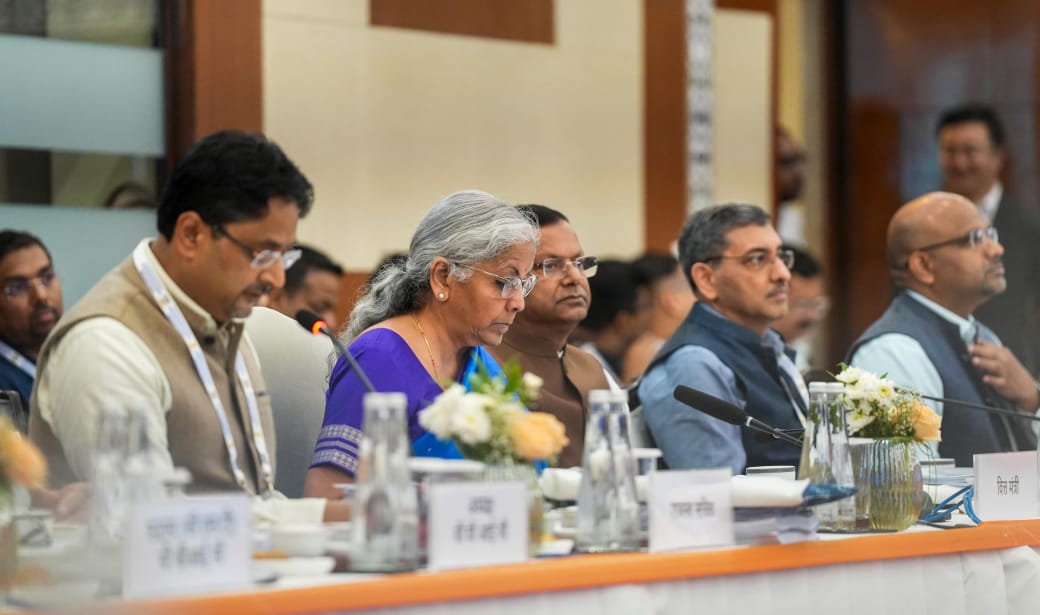
New Delhi (PTI): The 56th meeting of the GST Council, chaired by Finance Minister Nirmala Sitharaman and comprising state ministers, on Wednesday started deliberations on 'next-gen GST' reforms, which will lower tax rates on items of mass consumption, remove duty inversion in sectors, like textiles, and ease compliance burden for MSMEs.
The Council, over the next two days, will discuss reducing the number of slabs in GST to just two -- 5 per cent and 18 per cent -- and removing the 12 per cent and 28 per cent slabs. Also, a special 40 per cent tax has been proposed on a select few items, including tobacco and ultra-luxury goods.
As per the sweeping rate change proposal put forth by the Centre and vetted by a group of state finance ministers, as many as 99 per cent of items in the 12 per cent category, such as butter, fruit juices and dry fruits, would move to a 5 per cent tax rate.
Similarly, electronic items like ACs, TVs, fridges, and washing machines, as well as other goods like cement, will be among the 90 per cent of the items that will move from 28 per cent to a lower 18 per cent slab.
While opposition-ruled states have demanded that all states be compensated for the revenue loss they incur post the implementation of the GST rejig, Andhra Pradesh Finance Minister Payyavula Keshav said his state is supporting the Centre's GST rate proposals.
"As an alliance partner, we are supporting the Centre's proposal of GST rate rationalisation. It is in favour of the common man," Keshav told reporters before the Council meeting. Andhra Pradesh's Telugu Desam Party (TDP) is an ally of the BJP-led NDA government at the Centre.
Prime Minister Narendra Modi, in his Independence Day speech on August 15, unveiled the plan for GST reforms. Shortly thereafter, the central government shared a blueprint of the planned reform with a Group of Ministers (GoM) from different states for initial vetting.
As many as eight sectors -- textiles, fertiliser, renewable energy, automotive, handicrafts, agriculture, health and insurance -- will benefit the most from the rate overhaul, as per the Centre's blueprint for GST reforms.
On Wednesday morning, before the Council meeting, eight opposition-ruled states -- Himachal Pradesh, Jharkhand, Karnataka, Kerala, Punjab, Tamil Nadu, Telangana and West Bengal -- had their own meeting to formalise their strategy and reaffirmed their demand for revenue protection to give approval to the rate rejig.
Jharkhand Finance Minister Radha Krishna Kishore told reporters here that his state will suffer a Rs 2,000 crore revenue loss if the Centre's GST rate reform proposal is implemented.
"If the Centre agrees to compensate us for whatever loss we would incur, then we have no issues in approving the agenda before the Council. I don't think the issue will come up for voting, as in a federal structure, it is the responsibility of the Centre to compensate states for revenue loss," Kishore told reporters here after the meeting of the opposition bloc.
Under the present GST structure, the 18 per cent slab accounts for a lion's share or 65 per cent in GST collection. The 5 per cent slab contributes 7 per cent to the total GST kitty.
The top tax bracket of 28 per cent on luxury and sin goods contributes 11 per cent of the revenue, while the 12 per cent slab accounts for just 5 per cent of the revenue.
The Centre's GST reform proposal put forth before the Council rests on three pillars -- structural reforms, rate rationalisation and ease of living.
The structural reforms would ensure stability and predictability by providing "long-term clarity on rates and policy direction to build industry confidence and support better business planning".
On the 'ease of living' side, the finance ministry's proposal includes seamless, technology-driven GST registration, especially for small businesses and startups. It also suggested the implementation of pre-filled GST returns and faster, automated processing of refunds for exporters and those with an inverted duty structure.
"The next generation GST reforms... will set an economy absolutely open and transparent in the coming months and with further reduction in compliance burden, (reforms) will be making it easier for small businesses to thrive," Sitharaman had said on Tuesday at the Foundation Day celebrations of Tamil Nadu-based City Union Bank.
Let the Truth be known. If you read VB and like VB, please be a VB Supporter and Help us deliver the Truth to one and all.
Karnataka School Edu Dept prohibits children from being made to dance to obscene songs
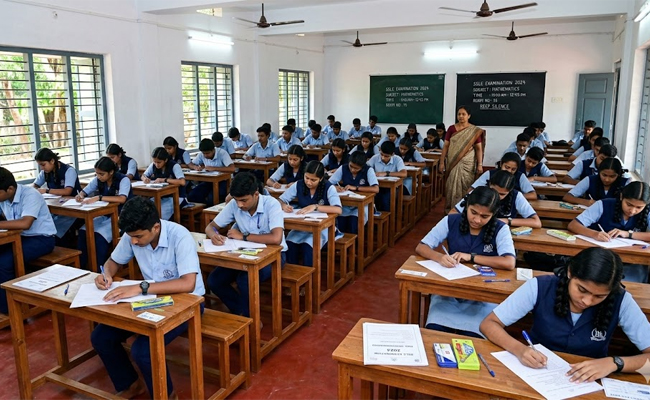
Bengaluru (PTI): The Karnataka School Education Department has issued a circular strictly prohibiting children from being made to dance to obscene songs in educational and cultural programmes.
It stated that such dances would negatively impact students' mental health and moral values. It will create indiscipline and harm the sanctity of education.
"All the Deputy Directors (Administration) of the state's School Education Department have been asked to take strict measures to prevent children or students from dancing to obscene songs in all government, aided and unaided schools in the state," the office of the commissioner of the School Education Department said in a recent circular.
"If it is found that children are being made to dance to obscene songs, appropriate action will be taken against the headmaster or management of such school," it added.
The department also listed certain measures in this regard, which include: strictly prohibiting children from being made to dance to obscene songs during educational and cultural programmes; selecting songs that are inspiring, positive, instilling national pride in children and reflecting the greatness, dignity, values, culture, and morality of the state.
Stating that the school headmaster and management are responsible for selecting songs and dances for cultural programmes, it said, they should also ensure that students wear decent clothes in dance or cultural programmes.