Gujarat diamond baron Savji Dholakia to gift 600 cars to staff this Diwali
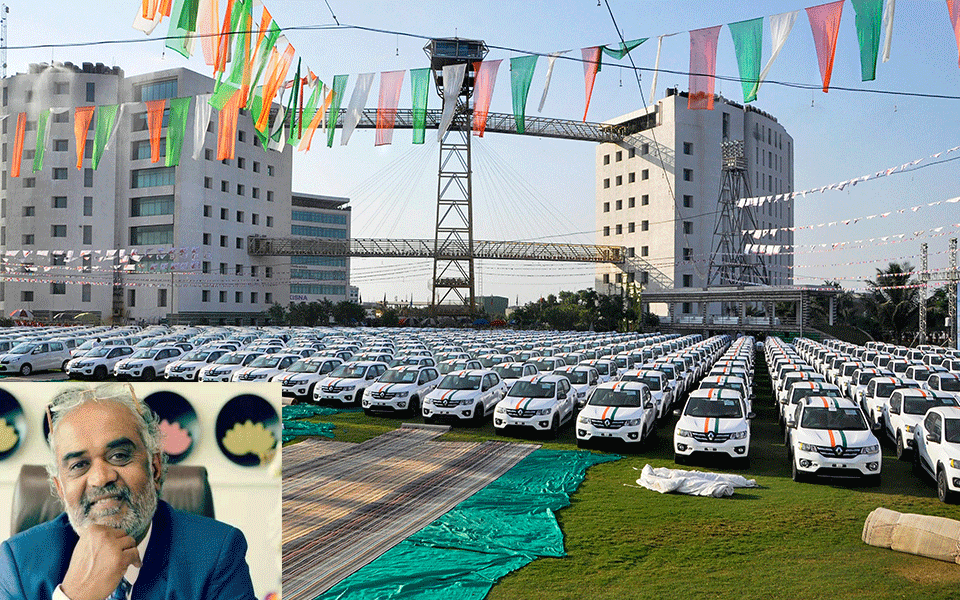
SURAT: The ongoing recession and liquidity crisis in the world’s largest diamond cutting and polishing centre in Surat hasn’t dampened the spirit of gifting Diwali bonanza for diamond baron Savji Dholakia, chairman of Shri Hari Krishna Exports. He will gift 600 cars to the deserving staff including diamond workers on Thursday.
For the first time, four employees, including a physically challenged female employee have reached New Delhi where they will be given keys of their new cars by Prime Minister Narendra Modi, who will later address the employees of Shri Hari Krishna Exports through video conferencing at the event organised at the company’s headquarters in Varachha on Thursday.
Dholakiya told TOI, “1,500 employees have qualified under the loyalty programme, of which 600 have opted for cars while 900 will be given fixed deposit certificates. For the first time, employees will receive car keys and bank certificates from the hands of PM. Our four employees including a physically challenged daughter are in New Delhi. They will be meeting PM at his residence at 10am to accept the car keys. PM will also address the employees of Hari Krishna through video conferencing,” added Dholakiya.
He said that the company will be paying close to Rs 50 crore worth of incentives to the workers this year. The company had started the ‘loyalty programme’ in 2011. The Surat-based merchant had gifted 500 flats, 525 pieces of diamond jewellery and 200 flats to his employees in 2014 as Diwali bonus.
Kajal Sorathia (22), a disabled diamond planner is among four employees who will meet PM on Thursday. “I am super excited to meet the PM and accept my car’s key from him. Our colleagues in the company don’t know we are here to meet the PM. They will know only when they will see us with the PM through video conferencing.”
Courtesy: timesofindia
Let the Truth be known. If you read VB and like VB, please be a VB Supporter and Help us deliver the Truth to one and all.
Himanta resigns as Assam CM, paving way for formation of new govt
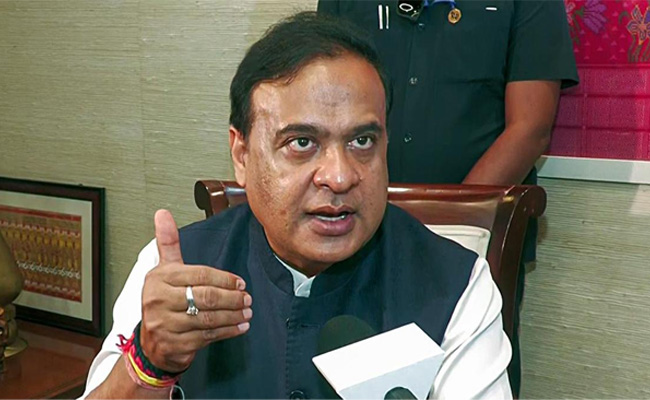
Guwahati (PTI): Assam Chief Minister Himanta Biswa Sarma on Wednesday resigned along with his cabinet colleagues, paving the way for formation of a new government led by the BJP, officials said.
The BJP-led NDA bagged 102 seats in the 126-member assembly. The assembly elections were held in a single phase on April 9, and counting of votes took place on May 4.
"Following the formal notification of the results of #AssamElections2026 and to enable the formation of the new government, Dr @himantabiswa tendered his resignation as Chief Minister along with that of the council of Ministers to Hon'ble Governor Shri @Laxmanacharya54 today at Lok Bhawan," the Chief Minister's Office said in a post on X.
ALSO READ: 11-year-old dies by suicide after sexual assault in Bareilly; accused arrested
The Governor has accepted the resignation, and requested Sarma to continue as the caretaker CM till the new government assumes office, it said.
Later, speaking to reporters outside the Lok Bhawan, Sarma said the oath-taking ceremony is likely to take place after May 11.
“As it was a historic win, we have invited Prime Minister Narendra Modi to grace the occasion," he said.
The new Assam chief minister will be selected at a meeting of the BJP legislature party in presence of central observers, Sarma said.