Gujarat government to ban mobile phone in schools to counter negative effects of social media

Ahmedabad: The Gujarat government will come up with new regulations aimed at reducing the influence of smartphones and social media on children.
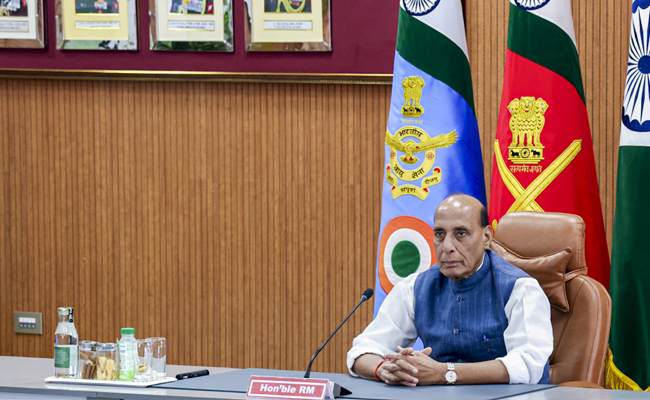
A meeting on the issue was chaired by state Education Minister Praful Panseriya with senior officials on Thursday, during which he highlighted the adverse effects of excessive social media use on children. He emphasised that new rules would be implemented to reduce mobile phone usage and encourage greater focus on sports.
“Teachers will be banned from using mobile phones in the classroom, and strict measures will be taken to ensure that primary school children do not come to school with mobile phones,” the statement read under the new rules.
Panseriya said that their aim is to keep the kids away from the devices and bring them to playgrounds and study tables.
The minister further stated that a circular outlining these changes would be issued for children, parents, and teachers. The initiative will be developed in consultation with Children’s University, Teacher's University, and practicing psychiatrists.
Additionally, teachers will be encouraged to engage students in productive activities such as reading and sports instead of allowing smartphone use for social media. Parents will also be urged to limit their own social media use in front of children and and ensure the latter are not using smartphones.
The minister expressed hope that other states will follow Gujarat's lead and adopt similar measures.
Let the Truth be known. If you read VB and like VB, please be a VB Supporter and Help us deliver the Truth to one and all.
Biker injured, leopard dies in road accident near forest area in Shivamogga
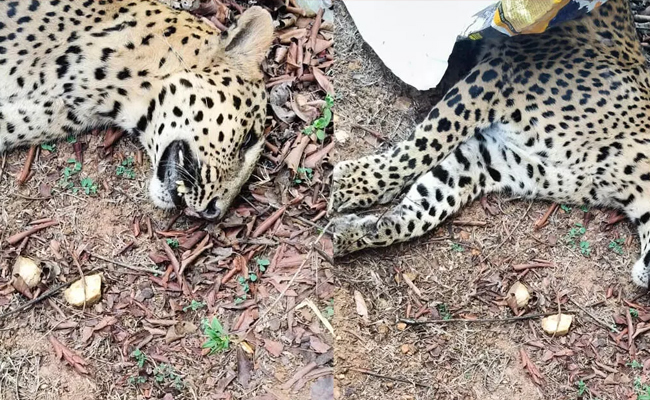
Shivamogga: A leopard was killed after being hit by a motorcycle near Mandagadde in Thirthahalli taluk of Shivamogga district.
According to reports, the biker was travelling from Shivamogga towards Thirthahalli when the leopard suddenly came onto the road from a nearby forest area near Mandagadde. The rider is said to have lost control of the bike and crashed into the animal.
The leopard suffered severe injuries in the impact and died on the spot. The biker also fell onto the road along with the motorcycle and sustained serious injuries. He was shifted to a hospital in Shivamogga for further treatment.
After receiving information about the incident, forest department officials, including Gajanur RFO Vinay Kumar, visited the spot and conducted an inspection.