Hair in food: HC imposes Rs 35,000 on Air India for negligence
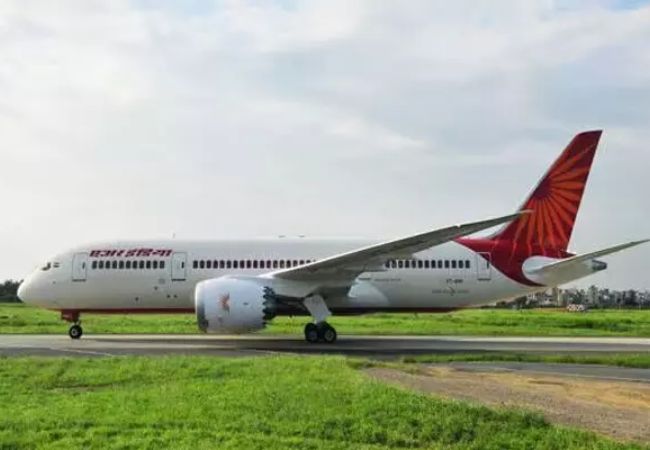
Chennai (PTI): The Madras High Court has directed private carrier Air India to pay Rs 35,000 to a passenger, who suffered health complications after eating the food provided by the airliner that contained hair.
He suffered vomiting sensation and stomach pain after eating the food.
Justice P B Balaji gave the directive recently while partly allowing the appeal filed by Air India Limited, which challenged an order of a trial court that directed it to pay a compensation of Rs one lakh.
n his order, the judge said it was seen that the Air India officials have blown hot and cold even in their written statement.
In one breath, they claimed that there were seven airline staff on board and the plaintiff (passenger) never complained to any of them. However, on their own volition, at paragraph No.10 of the written statement, it admitted that the passenger orally complained, which was also radioed through the Company channel immediately. A senior Catering Manager also attempted to meet the plaintiff after the flight landed, but the passenger refused to meet him and instead directly went to the Airport Manager's Office to give the complaint, the judge added.
On an overall reading of the written statement, "I cannot gather any denial of the incident anywhere."
"On the contrary, as discussed aforesaid, the defendants, in fact, admit to the allegation that the hair follicle was found in the food packet provided to the passenger. In view of the above, I do not find that the plaintiff has to be non suited on the ground of non-impleading the caterer, Ambassador Pallava, merely because the food packet contains the name of the caterer and that the defendants have no role to play in the preparation of the food, the defendants cannot wash off their heads and contend that compensation, if any, has to be met only by the caterer and not by the defendants", the judge added.
Whether the suit was bad for non-joinder of the caterer, the passenger has a contract with Air India for travel from Colombo to Chennai. Admittedly, the ticket cost paid by him was only to Air India. The ticket cost includes meals to be provided on board the aircraft.
The passenger has absolutely no privity of contract with the caterer, and the food and other beverage services that were provided by Air India to the passengers on board was an independent contract between the carrier and the caterer. As far as the passenger was concerned, his contract was only with Air India and the contract, namely the ticket costs includes the food being provided to the passenger on board the aircraft, the judge added.
The judge said Air India was therefore clearly vicariously liable to compensate the passenger for the negligence, namely the presence of hair follicles in the food packet, even though the food packet may not have been prepared by the defendants, but only through their agents, namely Ambassador Pallava.
"Therefore, I do not find any error committed by the trial Court in finding the defendants' negligence and also the suit being not maintainable on the ground of non-joinder of the caterer", the judge added.
The judge said for want of proving the loss or injuries suffered by the passenger, he cannot become entitled to any compensation. The Trial Court, on its own motion, having found Air India to be negligent, as a sequel, has proceeded to award a minimum compensation of Rs one lakh. However, this was clearly unsustainable in the light of the admitted position that there was absolutely no iota of evidence on the side of the passenger to establish the loss or injury suffered on account of the negligence caused by Air India.
"Therefore, I am constrained to set aside the award of compensation at Rs one lakh", the judge added.
The judge said at the same time, having found that Air India has been negligent and mischievously attempted to pass on liability to the caterer engaged by them, the judge said "I am inclined to impose costs on the defendants/appellants."
"While setting aside the decree for compensation at the rate of Rs 1,00,000, I am inclined to direct the defendants to pay the costs of the suit, namely the Court fee and expenses to the tune of Rs 15,000 and the counsel's fee of Rs 20,000. In all, the defendants shall pay a sum of Rs 35,000 as costs, to the plaintiff/respondent, within a period of four weeks", the judge added.
Let the Truth be known. If you read VB and like VB, please be a VB Supporter and Help us deliver the Truth to one and all.
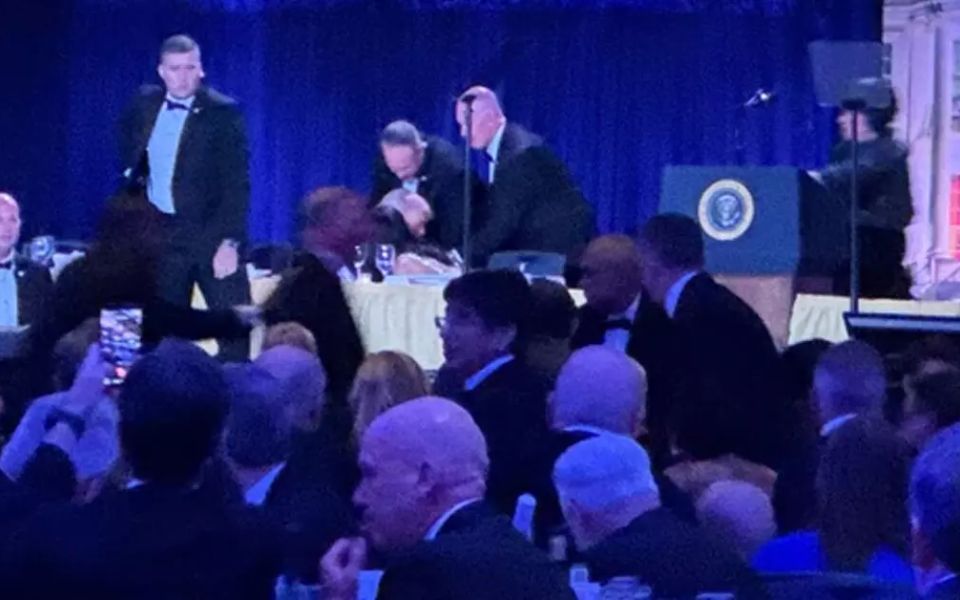
Trump says suspect was armed with multiple weapons at WH correspondents' dinner
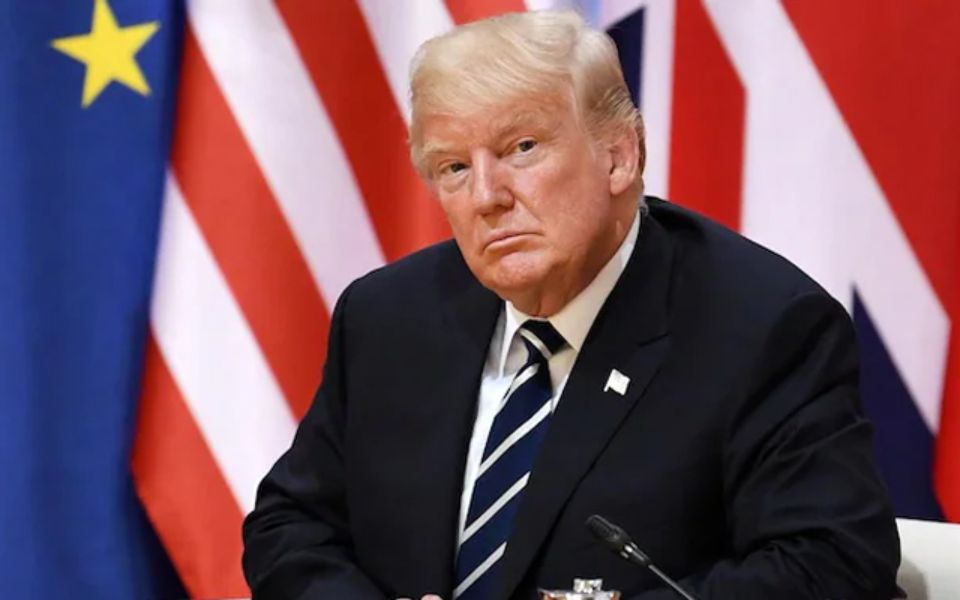
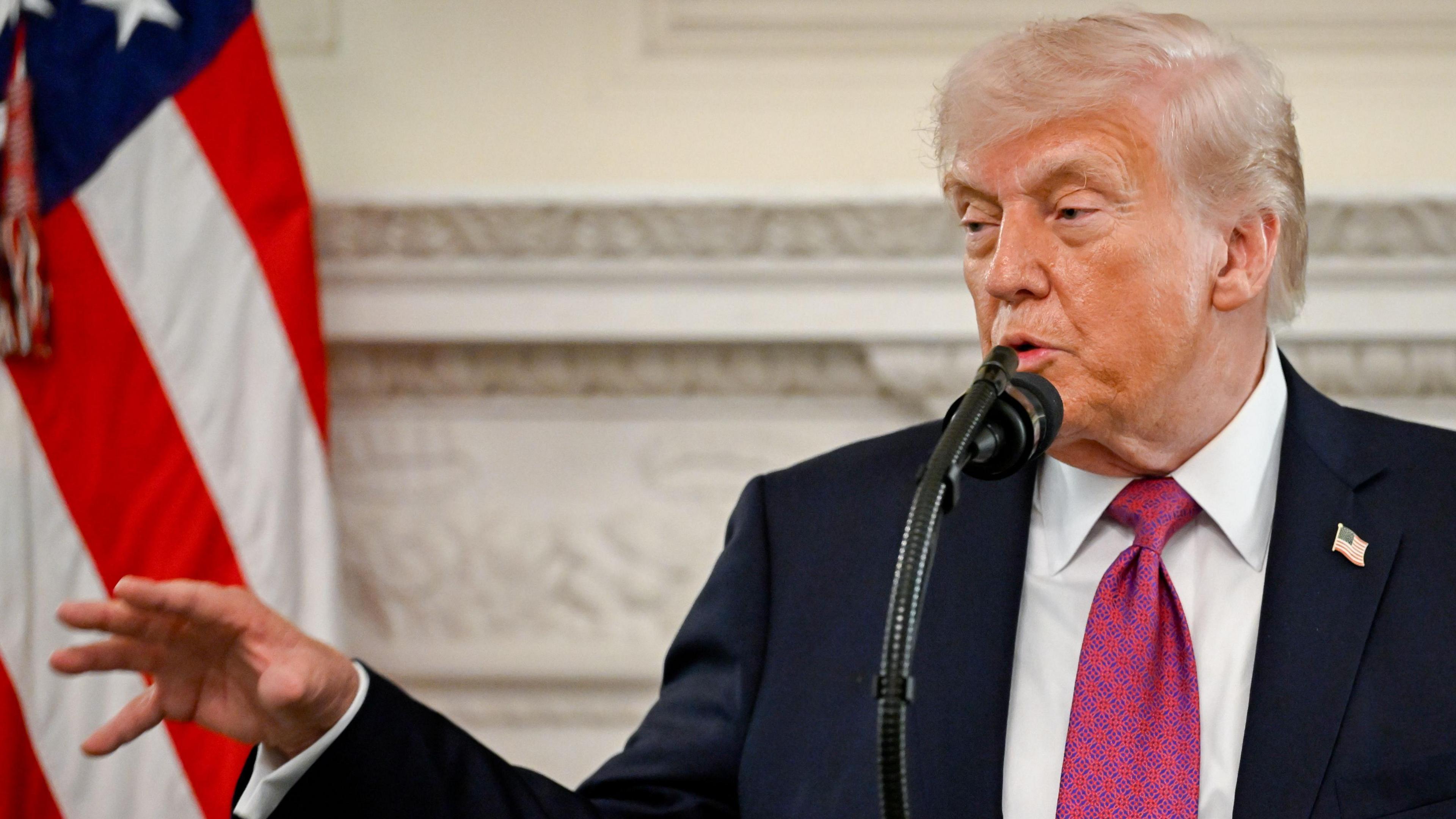
Washington (PTI): President Donald Trump is addressing reporters at the White House after he and other top leaders of the United States were evacuated from an annual dinner of White House correspondents on Saturday night after a shooting incident outside the ballroom.
Trump said the suspect was armed with multiple weapons before stopped by Secret Service. One officer was shot, but he was protected by a bulletproof vest.
“He was shot from very close distance with a very powerful gun, and the vest did the job,” Trump said.