Hardeep Puri BJP candidate for UP Rajya Sabha bypoll
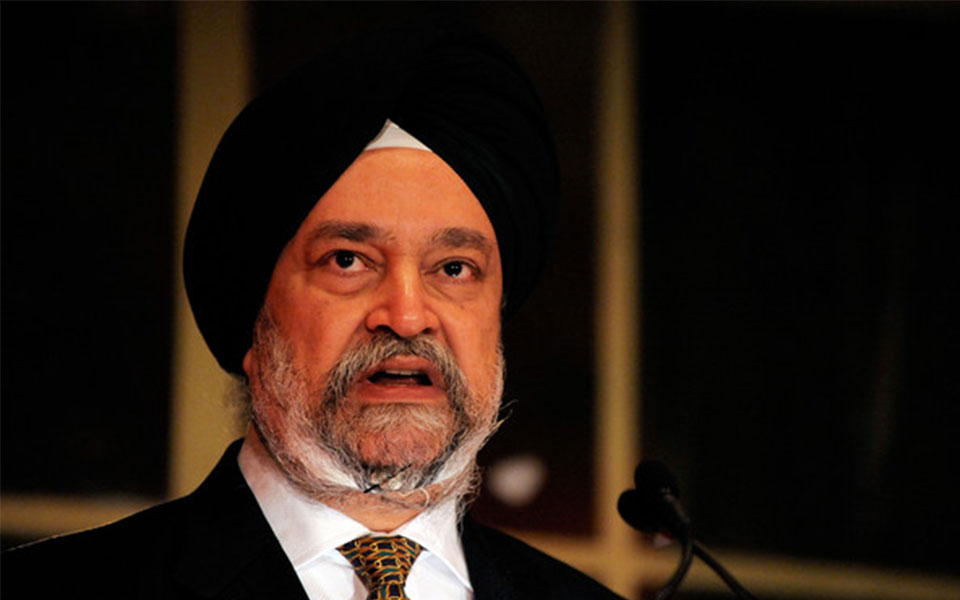
New Delhi: The BJP has decided to field Housing and Urban Affairs Minister Hardeep Singh Puri as its candidate in a Rajya Sabha bypoll in Uttar Pradesh, a party release said.
Puri, a former Indian Foreign Service Officer, was inducted as a minister in the Narendra Modi government in September.
The seat fell vacant following the resignation from the cabinet and Parliament of Defence Minister Manohar Parrikar, who returned to Goa to take over as Chief Minister.
The last date of nominations for the Rajya Sabha bypoll is January 5.
Let the Truth be known. If you read VB and like VB, please be a VB Supporter and Help us deliver the Truth to one and all.
Over 50% new faces elected to Majlis-e-Islah wa Tanzeem executive committee
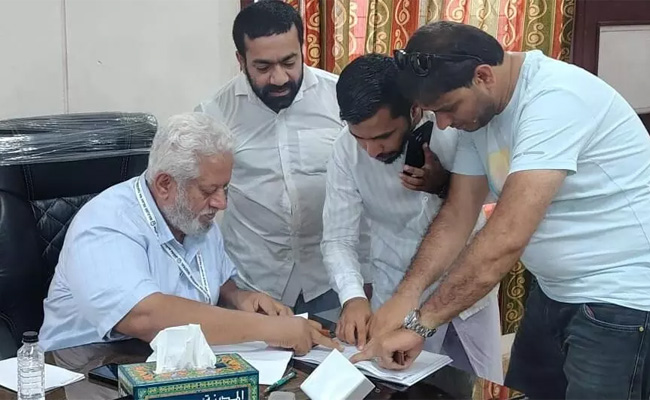
Bhatkal: More than 50 per cent of the members elected to the executive committee of Majlis-e-Islah wa Tanzeem in its triennial elections are new faces, with a significant number of young members getting an opportunity in the organisation’s executive committee.
Polling for eight constituencies in different parts of Bhatkal was held on May 12, in which 24 members were elected. In addition, 20 members were elected unopposed from seven constituencies.
The keenest contest was witnessed in Constituency No. 14, where 10 candidates were in the fray for five seats.
With this, the process of electing members to the organisation’s 132-member executive council from Bhatkal and other regions has been completed.
Election Commissioner Mohiuddin Altaf Kharoori said the induction of a large number of new members into the executive committee has brought fresh enthusiasm to the organisation.