Haryana IPS officer 'suicide' case: DGP sent on leave
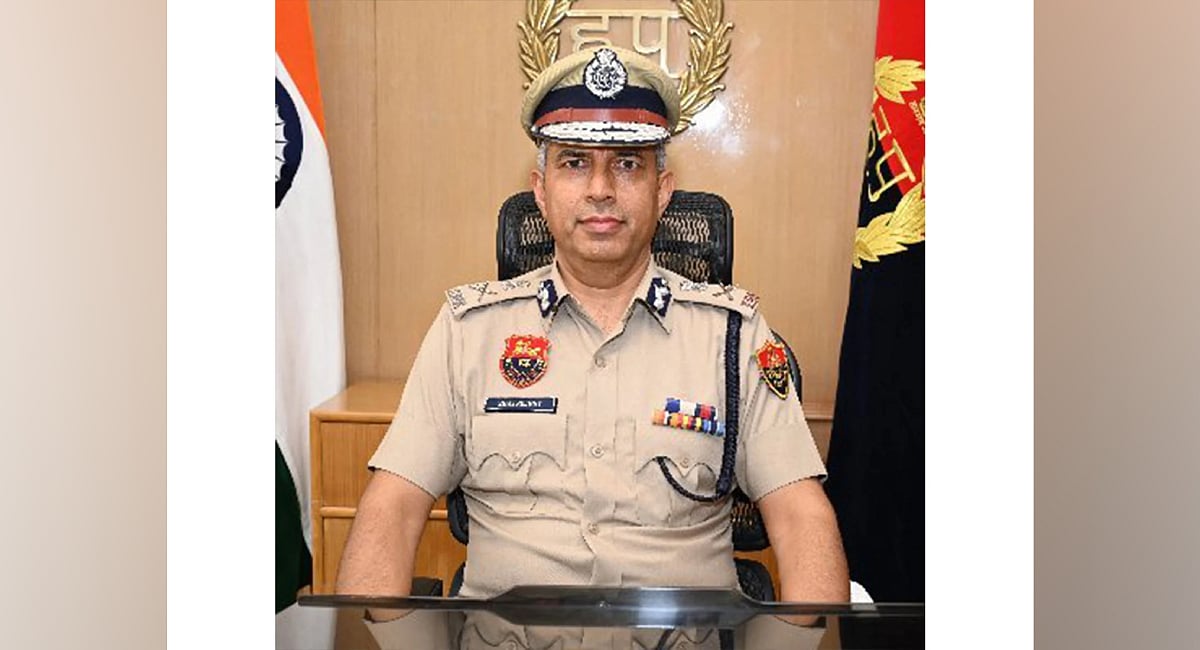
Chandigarh (PTI): The Haryana government has sent State DGP Shatrujeet Kapur on leave amid opposition's attack on the BJP dispensation over IPS officer Y Puran Kumar's alleged suicide, and demand by Kumar's family for action against the officers accused of harassing him.
The late-night development came days after the state government had transferred Narendra Bijarniya, the then Rohtak's Superintendent of Police.
"Yes, the DGP has been sent on leave by the government," said Rajiv Jaitly, media adviser to the Haryana chief minister.
In an eight-page "final note," purportedly left behind by Kumar, he accused eight senior IPS officers, including Kapur and Bijarniya, of "blatant caste-based discrimination, targeted mental harassment, public humiliation and atrocities."
The IPS officer's wife, senior IAS officer Amneet P Kumar, has demanded that Kapur and Bijarniya be named in the FIR for allegedly abetting her husband's suicide.
The officer's family, which is also seeking their arrest, has refused to give consent for a post-mortem and cremation until its demands are addressed.
Fifty-two-year-old Kumar, a 2001-batch IPS officer, allegedly shot himself dead on October 7.
After the registration of an FIR, the Chandigarh Police constituted a six-member special investigation team to investigate the case.
During the past few days, many political leaders visited Kumar's family here to offer their condolences, with Congress leader Rahul Gandhi scheduled for a meeting with the officer's family on Tuesday.
Union Minister Ramdas Athawale, who met the family here on Monday, said Haryana Chief Minister Nayab Singh Saini has assured that action will be taken against those found guilty in the case.
The opposition has stepped up its attack on the government over the issue and is demanding action in the matter.
Telangana Deputy Chief Minister Mallu Bhatti Vikramarka, Congress MP from Rohtak, Deepender Singh Hooda, INLD chief Abhay Singh Chautala and Punjab Finance Minister and AAP leader Harpal Singh Cheema were among the leaders from opposition parties who visited the Kumars' Sector 24 residence on Monday.
Vikramarka said he came to Chandigarh to console the family members of Kumar, who hailed from the southern state. He described the alleged suicide as "extremely sad" and demanded that the government immediately act against the officers named in Kumar's "dying declaration" (final note).
"Y Puran Kumar gave up his life and in his dying declaration, he mentioned particularly about two officers, Haryana DGP Shatrujeet Kapur and the then Rohtak SP Narendra (Bijarniya), stating that they have humiliated him, insulted him, and they are the root cause for his suicide," he said.
The Congress leader demanded that the government immediately act upon Kumar's "dying declaration" and take action against the officers responsible.
Meanwhile, a 31-member committee formed to seek "justice" for the deceased officer's family on Sunday gave a 48-hour ultimatum to act against Kapur and Bijarniya.
Let the Truth be known. If you read VB and like VB, please be a VB Supporter and Help us deliver the Truth to one and all.
Mudigere: 22-yr-old youngster hangs herself to death after father scolds her for not making curry
Mudigere: A 22-year-old young woman, Soujanya Poojary, who was upset over an apparently trivial issue, has allegedly committed suicide by hanging herself at home in Devavrinda village of the taluk on Saturday evening.
On Saturday morning, Soujanya’s father Natesh Poojary handed her vegetables, instructed her to prepare curry using them and went out. When he returned home in the afternoon, however, he found that his daughter had not prepared the curry and scolded her. He also told her to get curry from a neighbour’s house and again went out.
Soujanya, after being treated harshly by her father, reportedly closed the door of the house and hanged herself to death inside.
Gonibeedu Police officers, who were informed of her death, have registered a case and are investigating.
(Assistance for overcoming suicidal thoughts is available on the state’s health helpline 104, Tele-MANAS 14416.)