Haryana man 'sent by Russian Army to fight against Ukraine' dies
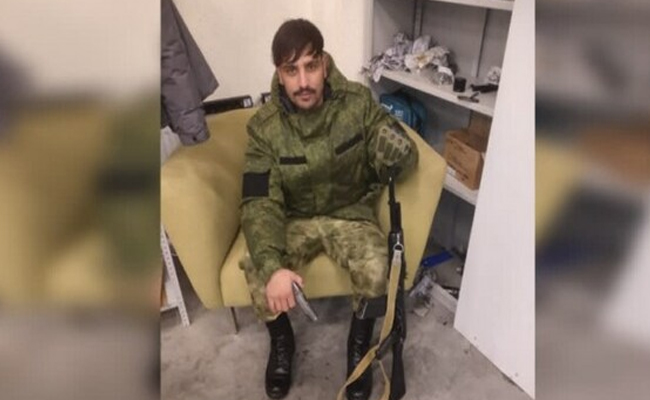
Chandigarh (PTI): A 22-year-old Haryana man "sent to the frontline by the Russian Army to fight against Ukrainian forces" has died, his family claimed on Monday.
The Indian embassy in Moscow confirmed the death of Ravi Moun, who hailed from Matour village in Haryana's Kaithal district, his brother Ajay Moun said.
Ravi Moun went to Russia on January 13 after being "hired" for a transportation job but was inducted into the military, his brother claimed.
Ajay Moun wrote to the embassy on July 21 for information on his brother's whereabouts.
"The embassy told us that he has died," he said.
The family said the embassy also asked them to send a DNA test report for identification of the body.
"Ravi went to Russia on January 13. An agent sent him to Russia for a transportation job. However, he was inducted into the Russian Army," Ajay Moun said.
The family's claim comes days after Russia agreed to India's demand to ensure early release and return of Indian nationals inducted into the country's military.
Ajay Moun alleged that the Russian Army asked his brother to go to the frontline to fight against Ukrainian forces or face 10 years in jail.
He was trained to dig trenches and later sent to the frontline, Ajay Moun said.
"We remained in touch with him till March 12 and he was quite upset," he said.
According to the Indian embassy's reply to Ajay Moun's letter, "The embassy had requested the concerned Russian authorities for confirmation of his death and transportation of his mortal remains requested by you."
"The Russian side has confirmed his death. However, to identify the body, they need a DNA test from his close relatives," it added.
Ajay Moun also requested Prime Minister Narendra Modi to bring his brother's mortal remains back to India.
"We do not have enough money to bring back his body," he told reporters.
The family sold off a one-acre land and spent Rs 11.50 lakh to send him to Russia, he said.
Earlier this month, Russia agreed to India's demand to ensure early release and return of Indian nationals working in the Russian military as support staff after Modi raised the issue with Russian President Vladimir Putin.
Russia had promised early discharge of all Indian nationals from the army.
Last month, the Ministry of External Affairs said the issue of Indian nationals serving in the Russian Army remained a matter of "utmost concern" and demanded action from Moscow.
The Russia-Ukraine conflict in eastern Europe has been raging since February 2022.
Let the Truth be known. If you read VB and like VB, please be a VB Supporter and Help us deliver the Truth to one and all.
Centre launches national childhood diabetes screening, treatment framework
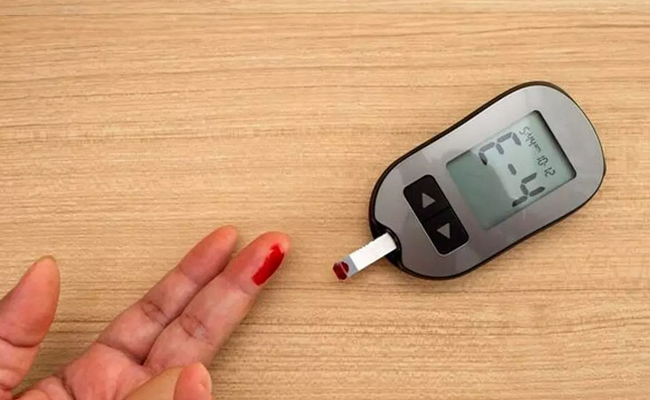
New Delhi (PTI): The Union Health Ministry on Sunday released a guidance document providing a framework for screening, diagnosis, treatment and long-term management of childhood diabetes.
According to the ministry, the document, for the first time, establishes a structured and standardised national framework, positioning India among a select group of countries that have integrated childhood diabetes care into the public health system.
The "Guidance Document on Diabetes Mellitus in Children" was released at the National Summit on Best Practices in Public Healthcare Service Delivery, concluded on May 1-2.
According to a statement by the ministry, the framework aims to ensure universal screening of all children from birth to 18 years through community and school-based platforms for early identification of diabetes.
Suspected cases will undergo immediate blood glucose testing and be referred to district-level health facilities for confirmatory diagnosis and treatment, it said.
A key feature of the initiative is the provision of a comprehensive free-of-cost care package at public health facilities, including screening, diagnostic services, lifelong insulin therapy, glucometers, test strips and regular follow-up care.
The initiative seeks to reduce the financial burden on families and ensure uninterrupted treatment for children diagnosed with diabetes.
The document also lays down an integrated continuum of care linking community-level screening with district hospital-based management and advanced care at medical colleges to ensure seamless follow-up and treatment.
To strengthen early detection, the guidance promotes the "4Ts" awareness framework -- Toilet, Thirsty, Tired and Thinner -- to help parents, teachers and caregivers recognise early warning signs of type 1 Diabetes.
Besides clinical protocols, the document focuses on family and caregiver empowerment through structured training on insulin administration, blood glucose monitoring, emergency response and daily disease management.
The statement stated the initiative is expected to reduce mortality through early detection, prevent complications and improve the quality of life of affected children while strengthening the public health system's capacity to manage non-communicable diseases among children.