Haryana Police yet to respond to NHRC notice over arrest of Ashoka University professor
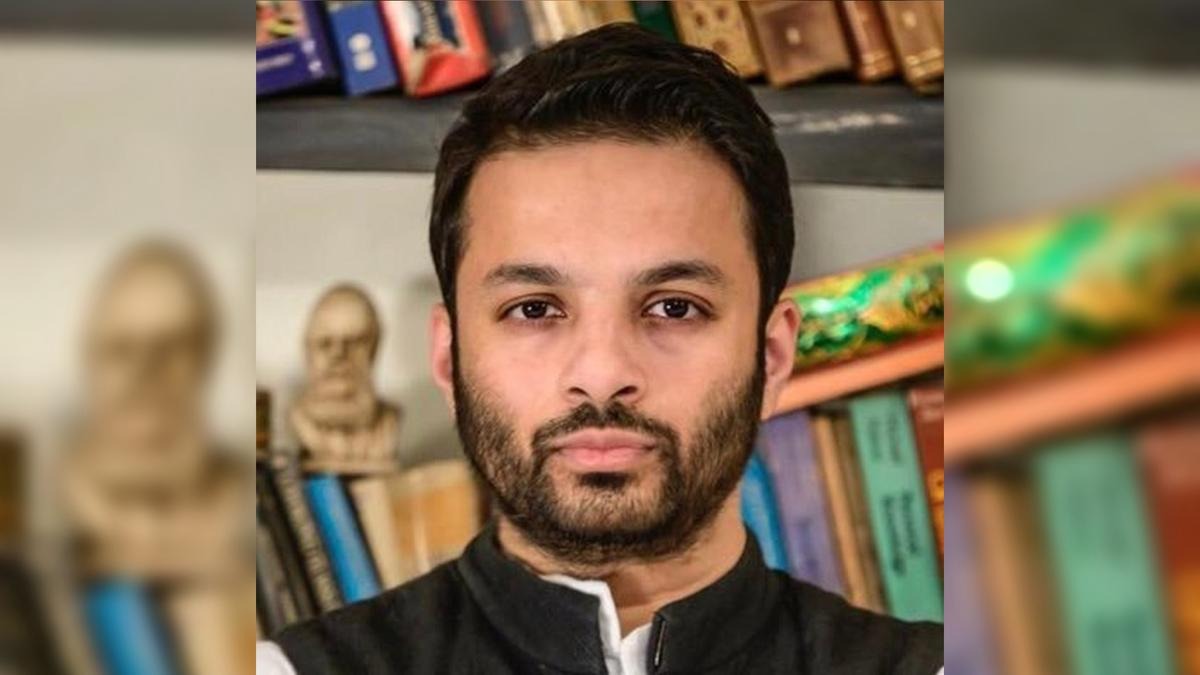
New Delhi: The National Human Rights Commission (NHRC) has said that the Haryana Police has not yet responded to its notice concerning the arrest of Ashoka University professor Dr. Ali Khan Mahmudabad, despite the expiry of the stipulated deadline on May 27.
The NHRC had taken suo motu cognisance of Mahmudabad’s arrest last month, stating that, prima facie, the professor’s human rights and personal liberty appeared to have been violated. The arrest followed Mahmudabad’s remarks on “Operation Sindoor”, an Indian military operation against Pakistan, which led to charges under sedition and for allegedly hurting religious sentiments.
According to a report by The Hindu, filed under the Right to Information Act, 2005, the NHRC confirmed that Haryana Police failed to submit a reply within the mandated one-week timeframe. The Commission stated that it had issued a reminder to the Haryana authorities on June 10, and the case remains under active consideration.
In a press release dated May 21, the Commission had said: “The NHRC has come across a news report dated May 20, 2025, regarding the arrest and remand to custody of a Professor of Ashoka University in Haryana. The report, which contains a gist of the allegations on the basis of which he has been arrested, discloses prima facie that the human rights and liberty of the said professor have been violated. Therefore, the Commission deems it a fit case for suo motu cognisance.”
Professor Mahmudabad was arrested by Haryana Police on May 18. Following his arrest, the Supreme Court of India intervened and, on May 21, granted him interim bail subject to strict conditions. The Court also constituted a special investigation team to examine two of his social media posts that were deemed anti-war in nature.
Let the Truth be known. If you read VB and like VB, please be a VB Supporter and Help us deliver the Truth to one and all.
NCW chief condemns rape-murder of 4-year-old girl in Pune, calls for swift action

New Delhi (PTI): National Commission for Women (NCW) Chairperson Vijaya Rahatkar has condemned the alleged rape and murder of a four-year-old girl in Maharashtra's Pune, calling it "deeply distressing" and a "blot on humanity".
The girl was allegedly raped and killed by a 65-year-old labourer, who has a criminal record, in Bhor tehsil of Pune on Friday. The accused allegedly lured the child to a cattle enclosure on the pretext of giving her food. After raping her, he killed her by hitting her with a stone, according to police.
The accused has been arrested.
In a post on X on Saturday, Rahatkar said the incident in the Nasrapur area in Pune was heartbreaking and has shaken society.
"The brutal torture and murder of a four-year-old innocent girl in Nasrapur (Bhor, Pune) is deeply painful, heartbreaking, and shocking. It is a blot on humanity," she said.
She said Pune Rural police has arrested the accused and noted that Maharashtra Chief Minister Devendra Fadnavis and Deputy Chief Minister Sunetra Pawar have assured strict action in the case.
Rahatkar said the NCW has taken cognisance of the matter and written to the National Commission for Protection of Child Rights (NCPCR), requesting the body to ensure necessary and prompt action.
It has also been recommended that the case be pursued under stringent provisions of the Protection of Children from Sexual Offences (POCSO) Act and be closely monitored from the filing of the chargesheet to proceedings in a fast-track special court to ensure time-bound justice, she added.
Ensuring justice for the victim and stringent punishment for the accused is a collective responsibility, the NCW chairperson underlined.
In a post on X, the NCW said it has taken suo motu cognisance of the extremely "heinous" incident.
"This heinous crime causes profound pain and outrage, and it highlights serious concerns regarding the safety of young girls," it said.
Strongly condemning this grave "inhuman act", the NCW said such crimes constitute a serious violation of children's rights and raise questions about society's security system.