'Hate-in-India' & Make-in-India can't coexist: Rahul Gandhi to PM Modi

New Delhi(PTI): Congress leader Rahul Gandhi on Wednesday hit out at Prime Minister Narendra Modi over the exit of some global brands from India, and said "Hate-in-India" and Make-in-India cannot coexist.
He also talked about unemployment in the country and urged the prime minister to focus on the "devastating unemployment crisis" instead.
"The ease of driving business out of India. 7 Global Brands. 9 Factories.649 Dealerships. 84,000 Jobs," he said on Twitter.
Gandhi shared a picture on Twitter showing seven global brands -- Chevrolet in 2017, Man Trucks in 2018, Fiat and United Motors in 2019, Harley Davidson in 2020, Ford in 2021 and Datsun in 2022-- which have exited the country.
"Modi ji, Hate-in-India and Make-in-India can't coexist! Time to focus on India's devastating unemployment crisis instead," Gandhi said.
Gandhi and the Congress have been attacking the government over the issue of unemployment.
The ease of driving business out of India.
— Rahul Gandhi (@RahulGandhi) April 27, 2022
❌ 7 Global Brands
❌ 9 Factories
❌ 649 Dealerships
❌ 84,000 Jobs
Modi ji, Hate-in-India and Make-in-India can’t coexist!
Time to focus on India's devastating unemployment crisis instead. pic.twitter.com/uXSOll4ndD
Let the Truth be known. If you read VB and like VB, please be a VB Supporter and Help us deliver the Truth to one and all.
Congress using hijab issue to pacify minority anger, alleges Karnataka LoP R Ashoka
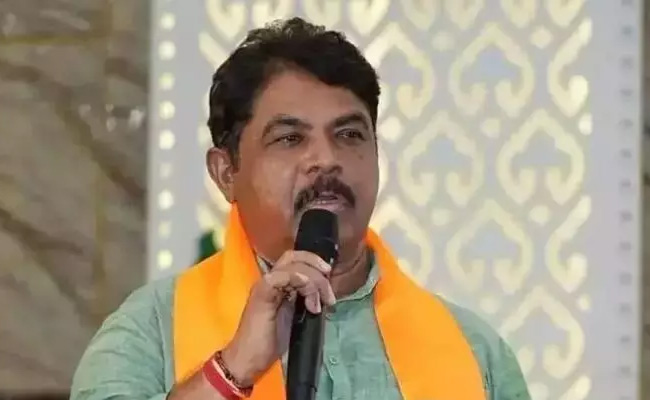
Bengaluru: Leader of Opposition in the Assembly R. Ashoka has accused the Congress government of using the hijab issue to placate what he described as discontent among minority voters after the Davanagere by-election.
In a post on X on Wednesday, Ashoka alleged that the state government, instead of addressing issues such as price rise, corruption, farmers’ distress and law and order, was attempting to retain its minority vote base by reviving the hijab issue.
Referring to the 2022 dress code introduced by the BJP government, which prohibited hijab in schools and colleges, Ashoka said the Karnataka High Court had upheld the policy and emphasised the importance of discipline in educational institutions.
He questioned the Congress government’s move to revisit the issue and asked whether setting aside the court-backed policy to benefit one community could be described as secularism.
Ashoka further alleged that while the government was willing to permit hijab, it continued to prohibit saffron shawls.
He accused the government of dividing students on religious lines rather than treating schools and colleges as spaces of equality.
Drawing a comparison with Mamata Banerjee’s government in West Bengal, Ashoka claimed that excessive appeasement politics had harmed the state and warned that the Congress in Karnataka could face a similar political response.
He said voters in Karnataka would teach the Congress a lesson for what he termed “vote-bank politics” and for compromising constitutional and judicial principles.