Have taken note of migrants walking on roads, railway tracks with great concern: Govt
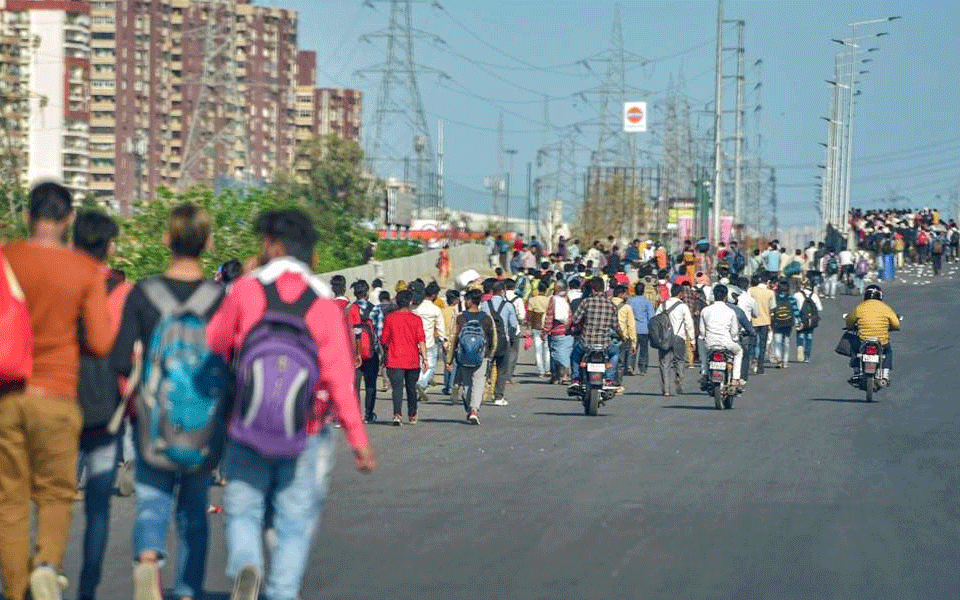
New Delhi: The Centre has said it has noted with great concern that migrant workers continue to walk on roads and railway tracks to return to their native places and asked states to ensure that they travel home on the special trains being run for them from various parts of the country.
In a letter to chief secretaries of all states and union territories, Union Home Secretary Ajay Bhalla also sought their cooperation in running more Shramik Special trains for the migrant workers.
Referring to a meeting held by Cabinet Secretary Rajiv Gauba on Sunday, Bhalla said, in the meeting, the situation of migrant workers walking on roads and railway tracks was noted with great concern.
"Since their movement by buses and 'Shramik' special trains has already been allowed to enable their travel to native places, all State/UT governments should ensure that migrant workers do not resort to walking on road and on railway tracks," he said.
In case they are found in such condition, the home secretary said, they should be appropriately counselled, taken to nearby shelters and provided with food, water etc. till such time they are facilitated to board the Shramik Special trains or buses to their native places.
Further, Bhalla said, as requested by the cabinet secretary, all state/UT governments should cooperate with the railways in running more Shramik Special trains so that travel of stranded migrant workers is facilitated at a faster rate.
"I urge upon you all to allow receiving of all Shramik special trains without any hindrance and facilitate faster movement of stranded migrant workers to their native places," he said.
Sixteen migrant workers, who were walking back home to Madhya Pradesh were mowed down by a goods train in Maharashtra's Aurangabad last week after they fell asleep on railway tracks.
Let the Truth be known. If you read VB and like VB, please be a VB Supporter and Help us deliver the Truth to one and all.
Karnataka Speaker Khader finishes fourth in Dirt Prix event
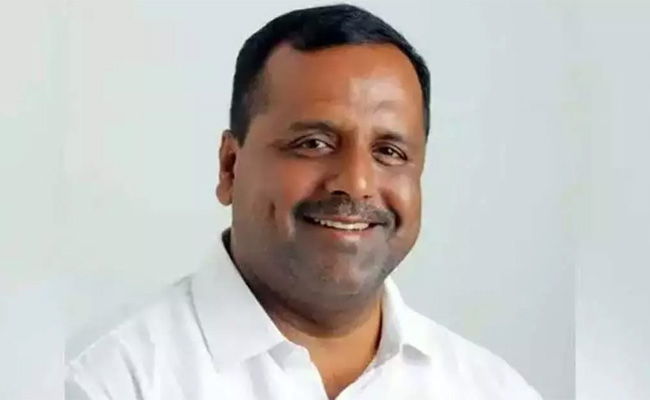
Mangaluru (PTI): Karnataka Legislative Assembly Speaker U T Khader on Sunday finished fourth in a dirt track racing event organised by the Indian Motor Sports Club here.
Driving a Volkswagen Polo GT, Khader narrowly missed a podium finish, ending just seconds behind the third-place finisher.
An avid motorsport enthusiast since his college days, Khader has participated in several racing events involving both motorcycles and cars.
Organisers said his performance on the dirt track was consistent with his previous racing record.
Speaking informally after the event, Khader said he continues to follow motorsport and enjoys driving, describing the experience as a "refreshing change" from his official responsibilities.
The Dirt Prix event saw participation from multiple racers and was aimed at promoting grassroots motorsport.