HC quashes FIR against actor Suriya, director Gnanavelraja

Chennai, Aug 11: The Madras High Court on Thursday quashed the FIR registered against actor Suriya Sivakumar and director T J Gnanavelraja by the city police, allegedly for hurting the sentiments of the Vanniyar community by portraying it in a bad light in the Tamil feature film 'Jaibheem'.
Justice N Sathish Kumar set aside the FIR, while passing orders on the petition filed by the duo, today.
Contending that the film depicted Vanniars in poor light, city-based advocate K Santhosh of Rudhra Vanniyar Sena had approached a Metropolitan Magistrate in Saidapet and obtained an order on May 6 to register the FIR against the filmmaker and the actor. Accordingly, the Velachery police registered the FIR against Suriya and Gnanavelraja on May 17.
In their petition, Suriya and Gnanavelraja submitted that the movie was based on a case conducted by Justice K Chandru, a retired judge of the High Court when he was a lawyer. Except his and that of the former Inspector General of Police Perumalsamy, the names of all other characters were changed.
The calendar showing the Vanniyars also was deleted from the movie, which was given a 'A' certificate by the Censor Board.
It was released only on the over the top (OTT) platform, thereby limiting the number of viewers who could watch it. Chief Minister M K Stalin watched the film on November 1 and appreciated the message that the film had conveyed. It was also well received by the audience all over the world without any distinction based on caste, community or religion and ended up winning several national and international awards, including the Dadasaheb Phalke Film Festival Award, the JFW Award and the Boston International Film Festival Award.
The Magistrate had issued the direction to register the FIR in a routine and mechanical manner without application of mind, the petitioners contended.
Let the Truth be known. If you read VB and like VB, please be a VB Supporter and Help us deliver the Truth to one and all.
Bengaluru jail introduces biometric tracking system for prisoners
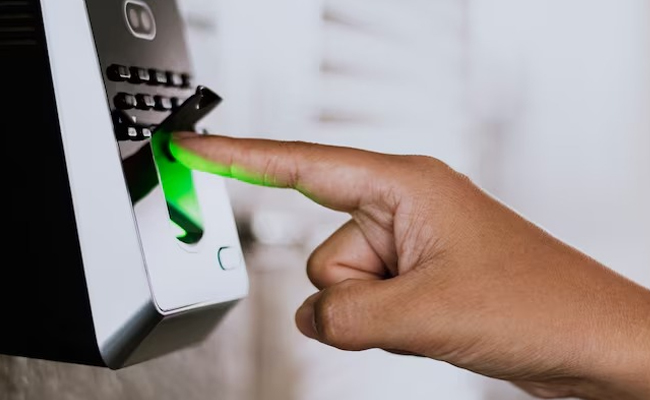
Bengaluru: In a bid to curb misconduct and illegal activities inside Parappana Agrahara Central Prison, prison authorities have introduced a new ‘Prisoners Tracking Movement System’ under which inmates will have to undergo biometric verification while entering every barrack.
According to jail officials, biometric systems have been installed across all major sections of the prison, including barracks, visitor rooms, hospital, canteen, kitchen, library, playground, handicraft units and bakery sections. Staff members have also been deployed at these locations.
Officials said inmates visiting the visitors’ room must now obtain a digital token after biometric verification. Details such as the prisoner’s name, identification number and entry time will be updated in the prison software system. This will help authorities maintain a complete digital record of inmates visiting and returning from meeting rooms.
Similar systems have also been introduced at entry points of the hospital, library and other barracks accessed for work-related purposes. Officials said the system will help identify prisoners involved in suspicious or illegal activities with other inmates and enable authorities to track how much time a prisoner spends at different locations inside the prison.
Authorities stated that AI-powered cameras were already being used inside the prison to monitor inmates as well as prison staff. Along with this, digital tracking of prisoner phone calls and a digital token system for visitor meetings have now been added to strengthen surveillance over inmate movement. Officials said the project has been implemented at a cost of around Rs 2.25 crore.
The prison department has also introduced a canteen usage tracking system to monitor prisoners’ spending patterns. Instead of direct cash payments, inmates can purchase bakery items and snacks using wallets or coupons issued within the prison system.
Officials said the digital system will record details including the buyer’s name, items purchased, quantity, date, time and remaining wallet balance. This will allow prison authorities to maintain complete expenditure records of inmates.