HC refuses to stay ban on serial 'Ram Siya ke Luv Kush' in Punjab, producers offer to delete scenes
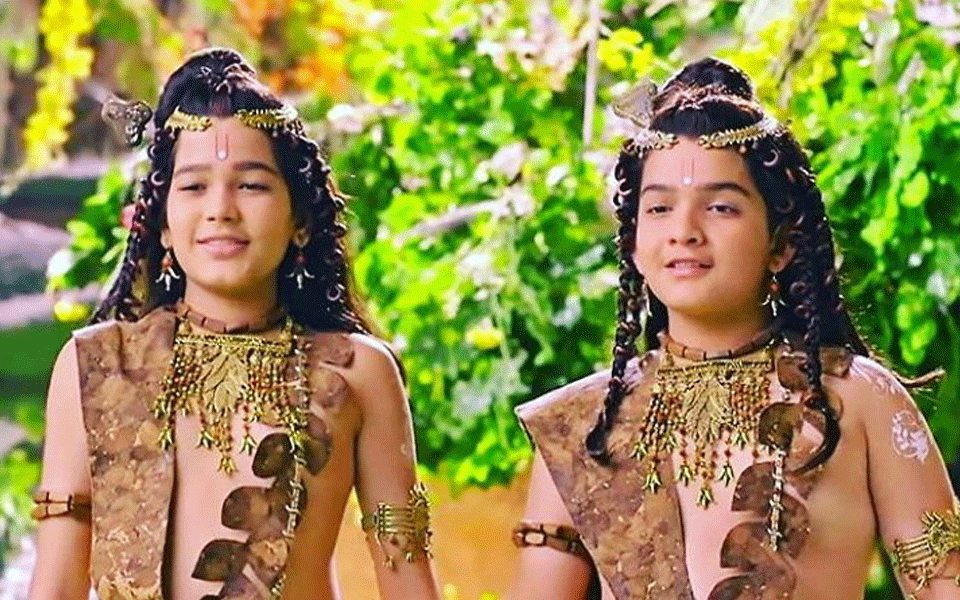
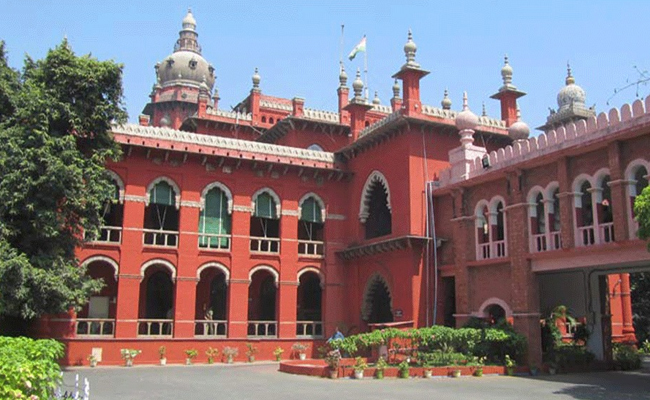
Chandigarh: The Punjab and Haryana High Court on Monday refused to stay a ban on airing of television series 'Ram Siya ke Luv Kush' in Punjab. The ban on the telecast of the controversial series stays for the time being, with the court adjourning the matter to September 12, according to an official release by the state government.
During a special hearing on a petition by Colors TV channel, Justice TS Dhindsa declined to grant a stay on the orders passed by the various district commissioners, in their capacity as district magistrates.
Arguing on behalf of the state government, Additional Advocate General Rameeza Hakeem said the decision to ban the telecast of the serial had been taken on the grounds that it has hurt the religious sentiments of the Valmiki community in the state by "portraying Valmiki ji in a negative light".
During the hearing, Colors TV contended that the ban orders had been passed without adhering to the principles of natural justice, and without the ingredients of Section 19 of the Cable Operators Regulation Act, as per the release.
The channel also placed on record an offer from the producers of the serial to enter a dialogue with the Secretary (Home) to discuss the issue and offered to delete any objectionable scenes.
The court called upon the Additional Advocate General to take instructions in the matter, especially on the offer made by the producers to delete the scenes in question.
Hakeem later said the offer would be considered by the state government, whose response would be submitted before the court on the next date of hearing.
On Saturday, Punjab Chief Minister Amarinder Singh had directed an immediate ban by the respective DCs on the telecast of the serial following protests by members of the Valmiki community who had called for a bandh on the same day.
Let the Truth be known. If you read VB and like VB, please be a VB Supporter and Help us deliver the Truth to one and all.
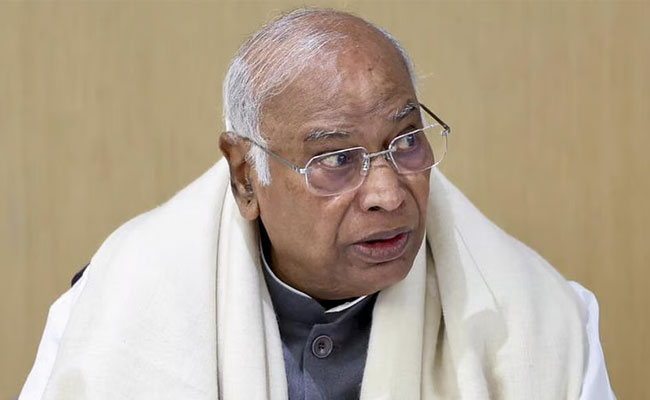
Kharge has put 'full stop' to leadership speculation in Karnataka: Minister Parameshwara
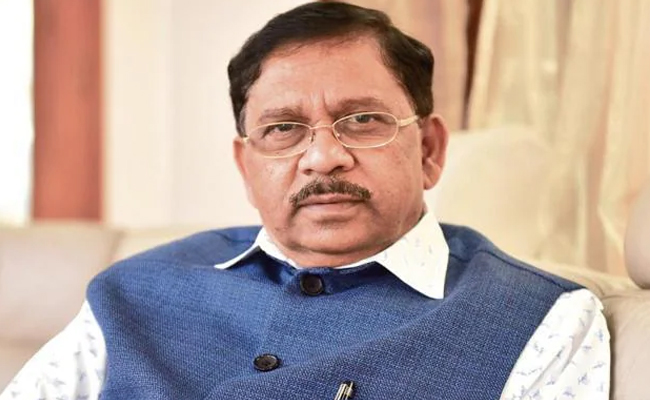
Bengaluru (PTI): Karnataka Home Minister G Parameshwara on Friday said AICC chief Mallikarjun Kharge has put a "full stop" on the issue of leadership change in the state.
Kharge's statement has a lot of significance and there ends the matter for now. Everyone in the party should respect and accept this, he said.
Parameshwara was referring to Kharge's statement on Thursday that there was no chief minister change in Karnataka "for now" and that the leadership issue in the state will be resolved soon.
Kharge's statement came amid speculation within the party and political circles about a possible decision on leadership change and cabinet reshuffle after May 4, once the results for assembly elections in four states and one union territory, along with bypolls to two assembly segments in Karnataka, are announced.
"Mallikarjun Kharge is our party's national president. He has a lot of experience. Several people, including me, have said that in the case of change (in leadership), if he (Kharge) comes (as CM), no one could speak in front of his experience and everyone would accept it. While replying to it, Kharge said that there is a chief minister now, and there is no question of change as of now," Parameshwara said.
Speaking to reporters here, he said, "I welcome his (Kharge) statement because I feel he has expressed his opinion after a discussion involving him, Rahul Gandhi, Sonia Gandhi, K C Venugopal and Randeep Singh Surjewala (both AICC general secretaries). I may be right or wrong. I feel that his statement has a lot of significance. So that matter ends there for now."
Responding to a question on repeated statements by several party leaders regarding leadership change, the home minister said, what the AICC chief has said on the matter is final. It should be respected and accepted by all in the party. There is no meaning in interpreting it further.
"I cannot respond to what others say, but I can say my opinion. In my opinion, the AICC chief is the supreme authority in the party. He, along with Rahul Gandhi and Sonia Gandhi, are our high command. If the high command has said something, we should both respect and accept it. There ends the matter," he said.
Kharge has put a "full stop" on the issue, he further said, adding that, "When he has said there is no change. It is a full stop."
Responding to a question on Parameshwara's recent statement about Kharge becoming chief minister, the AICC chief on Thursday said, "You (media), he (Parameshwara), and people at the top say that it is better if I become CM. But more than fate, as per my ideology and my service to the party so far, Sonia Gandhi makes decisions regarding me."
He had further said, "But that question does not arise now. There is already a CM here. If Sonia Gandhi, Rahul Gandhi, and I together have to take any decision in that direction, it will take some time. Let's wait and see."
Kharge on Friday too said no date has been fixed yet to discuss a possible leadership change in Karnataka.
Supporters of Deputy Chief Minister D K Shivakumar have been insisting on his elevation in line with a reported power-sharing agreement with Chief Minister Siddaramaiah when the party won the 2023 Assembly elections. Some have even claimed that "sweet news" is expected by May 15, which is Shivakumar's birthday.
The leadership tussle within the ruling party has intensified amid speculation about a possible change of chief minister after the Congress government completed the halfway mark of its five-year term on November 20, 2025.
The speculation has been fuelled by a reported "power-sharing" arrangement between Siddaramaiah and Shivakumar at the time of government formation in 2023.