Allahabad HC stays second suspension order against Dr Kafeel Khan
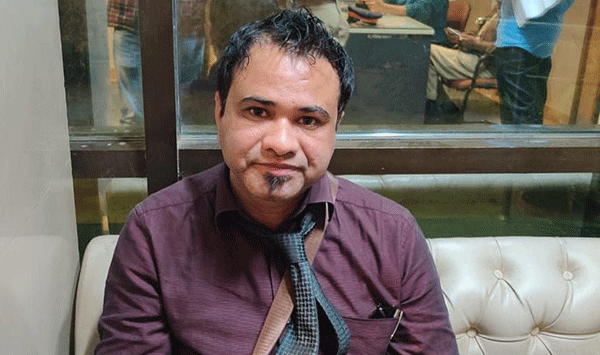
Allahabad, Sep 14: The Allahabad High Court has stayed the second suspension order against Dr Kafeel Ahmad Khan.
On July 31, 2019, the doctor was suspended for the second time while he was already under suspension for allegedly forcibly treating patients at the Bahraich District Hospital and criticising policies of the government.
He was earlier suspended following a tragedy at Gorakhpur's BRD Medical College, where around 60 children had died in August 2017 due to an alleged shortage of oxygen.
Hearing a writ petition filed by Dr Khan, Justice Saral Srivastava,however, directed the authorities to conclude inquiry against him within one month.
The court further directed that the petitioner shall cooperate in the inquiry and in case he does not, the disciplinary authority may proceed to conclude the inquiry exparte.
While fixing the hearing for November 11, the court also asked the state authorities to file a reply in four weeks.
The counsel for the petitioner had argued that the suspension order was passed on July 31, 2019 and more than two years have passed but the probe has not been concluded.
Hence, the suspension order cannot remain in force in view of the judgment of the apex court in the case of Ajay Kumar Choudhary versus Union of India (2015) 7 SCC 291, the counsel said.
He further argued that since the petitioner is already a suspended employee, therefore, there is no purpose of passing a second suspension order.
He submitted that there is no rule which permits the state government to issue a fresh suspension order when the employee is already under suspension.
However, state government's counsel submitted that the inquiry report against the petitioner has been submitted on August 27, 2021, a copy of which has been sent to the petitioner on August 28, asking him to submit objections.
He said the inquiry will be concluded expeditiously.
Let the Truth be known. If you read VB and like VB, please be a VB Supporter and Help us deliver the Truth to one and all.
Bengaluru jail introduces biometric tracking system for prisoners
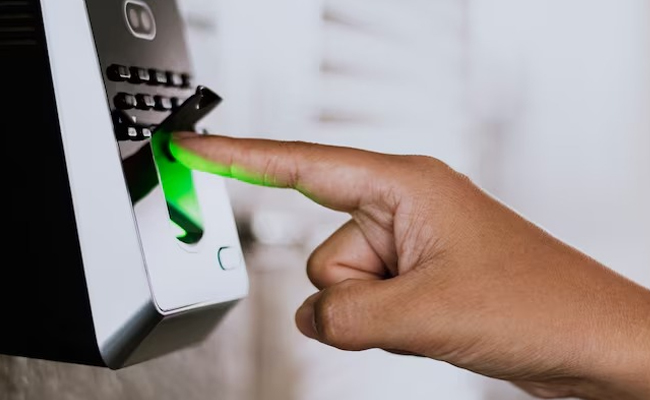
Bengaluru: In a bid to curb misconduct and illegal activities inside Parappana Agrahara Central Prison, prison authorities have introduced a new ‘Prisoners Tracking Movement System’ under which inmates will have to undergo biometric verification while entering every barrack.
According to jail officials, biometric systems have been installed across all major sections of the prison, including barracks, visitor rooms, hospital, canteen, kitchen, library, playground, handicraft units and bakery sections. Staff members have also been deployed at these locations.
Officials said inmates visiting the visitors’ room must now obtain a digital token after biometric verification. Details such as the prisoner’s name, identification number and entry time will be updated in the prison software system. This will help authorities maintain a complete digital record of inmates visiting and returning from meeting rooms.
Similar systems have also been introduced at entry points of the hospital, library and other barracks accessed for work-related purposes. Officials said the system will help identify prisoners involved in suspicious or illegal activities with other inmates and enable authorities to track how much time a prisoner spends at different locations inside the prison.
Authorities stated that AI-powered cameras were already being used inside the prison to monitor inmates as well as prison staff. Along with this, digital tracking of prisoner phone calls and a digital token system for visitor meetings have now been added to strengthen surveillance over inmate movement. Officials said the project has been implemented at a cost of around Rs 2.25 crore.
The prison department has also introduced a canteen usage tracking system to monitor prisoners’ spending patterns. Instead of direct cash payments, inmates can purchase bakery items and snacks using wallets or coupons issued within the prison system.
Officials said the digital system will record details including the buyer’s name, items purchased, quantity, date, time and remaining wallet balance. This will allow prison authorities to maintain complete expenditure records of inmates.