Heroin worth Rs 450 crore recovered from Gujarat's Pipavav port
Ahmedabad, Apr 29: In a joint operation, the Gujarat Anti-Terrorist Squad(ATS) and the Directorate of Revenue Intelligence (DRI) have recovered nearly 90 kilogram of heroin worth Rs 450 crore from a shipping container that arrived at the Pipavav port in Amreli district from Iran, the state DGP said on Friday.
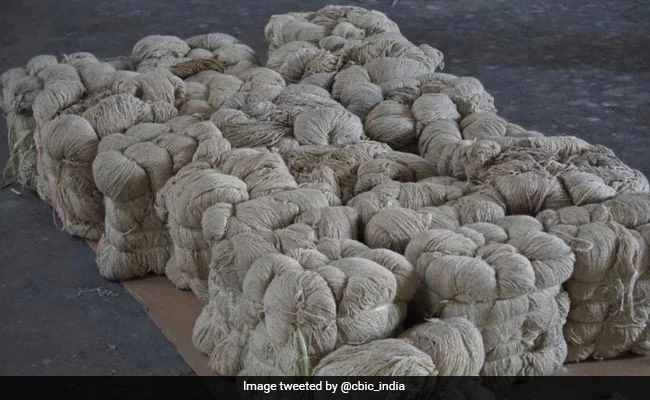
To dodge the authorities, the drug syndicate had applied a unique modus operandi in which threads were soaked in a solution containing heroin, which were then dried, made into bales and packed in bags for export, said Gujarat Director General of Police Ashish Bhatia.
"The container, having large bags of threads, arrived at the Pipavav port from Iran nearly five months back. A forensic analysis of four suspicious bags having threads weighing nearly 395 kg revealed that the threads contained opiate derivative or heroin. In all, we found nearly 90 kg of heroin worth Rs 450 crore from those threads," Bhatia told reporters in Gandhinagar.
In a release, the DRI said these bags having heroin-soaked threads were shipped along with other bags having bales of normal threads to avoid detection by the authorities.
"The modus operandi in this case would have required the extraction of heroin mixed in the threads. Examination and seizure proceedings by the DRI under the provisions of the NDPS Act, 1985 are underway," said the release.
➡️ DRI seizes 395 kg of thread laced with heroin at Pipavav Port, Gujarat.
— CBIC (@cbic_india) April 29, 2022
➡️ DRI crackdown on drug smuggling syndicates results in seizure of more than 3,300 kg of Heroin, 320 kg of Cocaine and 230 kg of Hashish between Jan & Dec 2021.
Read more 🔗 https://t.co/7mOtOC20HD pic.twitter.com/zeonMAt900
Let the Truth be known. If you read VB and like VB, please be a VB Supporter and Help us deliver the Truth to one and all.
Congress using hijab issue to pacify minority anger, alleges Karnataka LoP R Ashoka
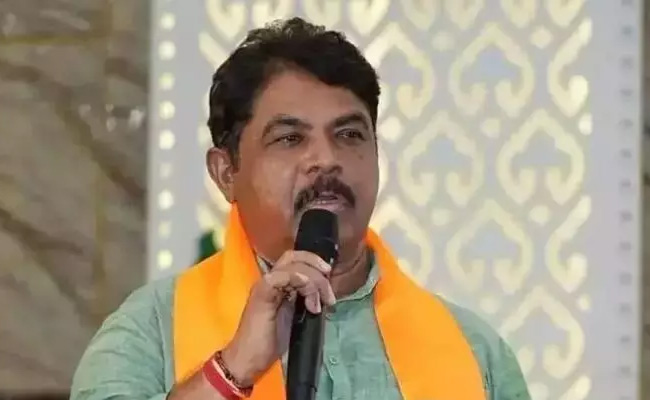
Bengaluru: Leader of Opposition in the Assembly R. Ashoka has accused the Congress government of using the hijab issue to placate what he described as discontent among minority voters after the Davanagere by-election.
In a post on X on Wednesday, Ashoka alleged that the state government, instead of addressing issues such as price rise, corruption, farmers’ distress and law and order, was attempting to retain its minority vote base by reviving the hijab issue.
Referring to the 2022 dress code introduced by the BJP government, which prohibited hijab in schools and colleges, Ashoka said the Karnataka High Court had upheld the policy and emphasised the importance of discipline in educational institutions.
He questioned the Congress government’s move to revisit the issue and asked whether setting aside the court-backed policy to benefit one community could be described as secularism.
Ashoka further alleged that while the government was willing to permit hijab, it continued to prohibit saffron shawls.
He accused the government of dividing students on religious lines rather than treating schools and colleges as spaces of equality.
Drawing a comparison with Mamata Banerjee’s government in West Bengal, Ashoka claimed that excessive appeasement politics had harmed the state and warned that the Congress in Karnataka could face a similar political response.
He said voters in Karnataka would teach the Congress a lesson for what he termed “vote-bank politics” and for compromising constitutional and judicial principles.