Hijab row: Kerala Edu Minister offers support to girl for getting admission in any other school
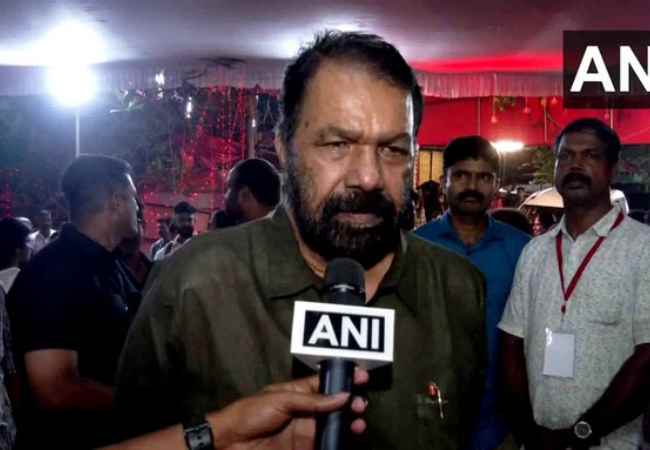
Thiruvananthapuram (PTI): Kerala General Education Minister V Sivankutty on Saturday said the government is ready to help the Muslim girl student, who was barred from wearing a hijab in a Church-run private school in Kochi, to get admission in any other institution where she wishes to join.
A special order will be issued if the student approaches the government with a request for the same, the minister told reporters here.
The announcement by the minister came a day after the student's father had said that he would like to seek admission in some other institution for his daughter.
"So, if the student is interested and she approaches the government, we will take steps to get her admission in any school she wishes to join through a special order," the minister said.
Sivankutty said as per the culture of the state, no student should miss an opportunity for studies due to lack of admission.
He also said the issues have pained the girl and St Rita school management is responsible for any mental stress she undergoes.
The father of the Class VIII student had on Friday said that she would not be sent back to the school.
"My daughter has been under severe stress after the hijab incident. She clearly said she doesn't want to return, so we decided to respect her wishes," he had said.
He said the family had already approached other schools for admission.
Meanwhile, the Indian Union Muslim League (IUML), a key ally in the opposition Congress-led UDF, on Saturday came out supporting the stand taken by the general education minister in the hijab row.
IUML national general secretary P K Kunhalikutty termed the decision of the school management to bar the student from wearing hijab as an example of "utmost intolerance".
"It was an unfortunate incident that should not have happened in a state like Kerala," he told a press conference in Malappuram.
He said some vested interests in society were deliberately attempting to create issues and that's why the IUML didn't intervene in the matter so far.
The stand taken by the school management in the matter was "very undesirable" and even their media statements were reflection of intolerance, the veteran leader alleged.
The dispute started after the school recently objected to the girl wearing a hijab, citing its dress code policy. The issue later snowballed into a major controversy, even as Minister Sivankutty backed the girl.
On October 10, the student's parents, along with others, visited the school and questioned the management's stance, following which the institution declared a two-day holiday.
The Kerala High Court had later directed that police protection be provided to the school.
Let the Truth be known. If you read VB and like VB, please be a VB Supporter and Help us deliver the Truth to one and all.
Trump says he ‘hasn’t even thought about’ continuing Iran ceasefire
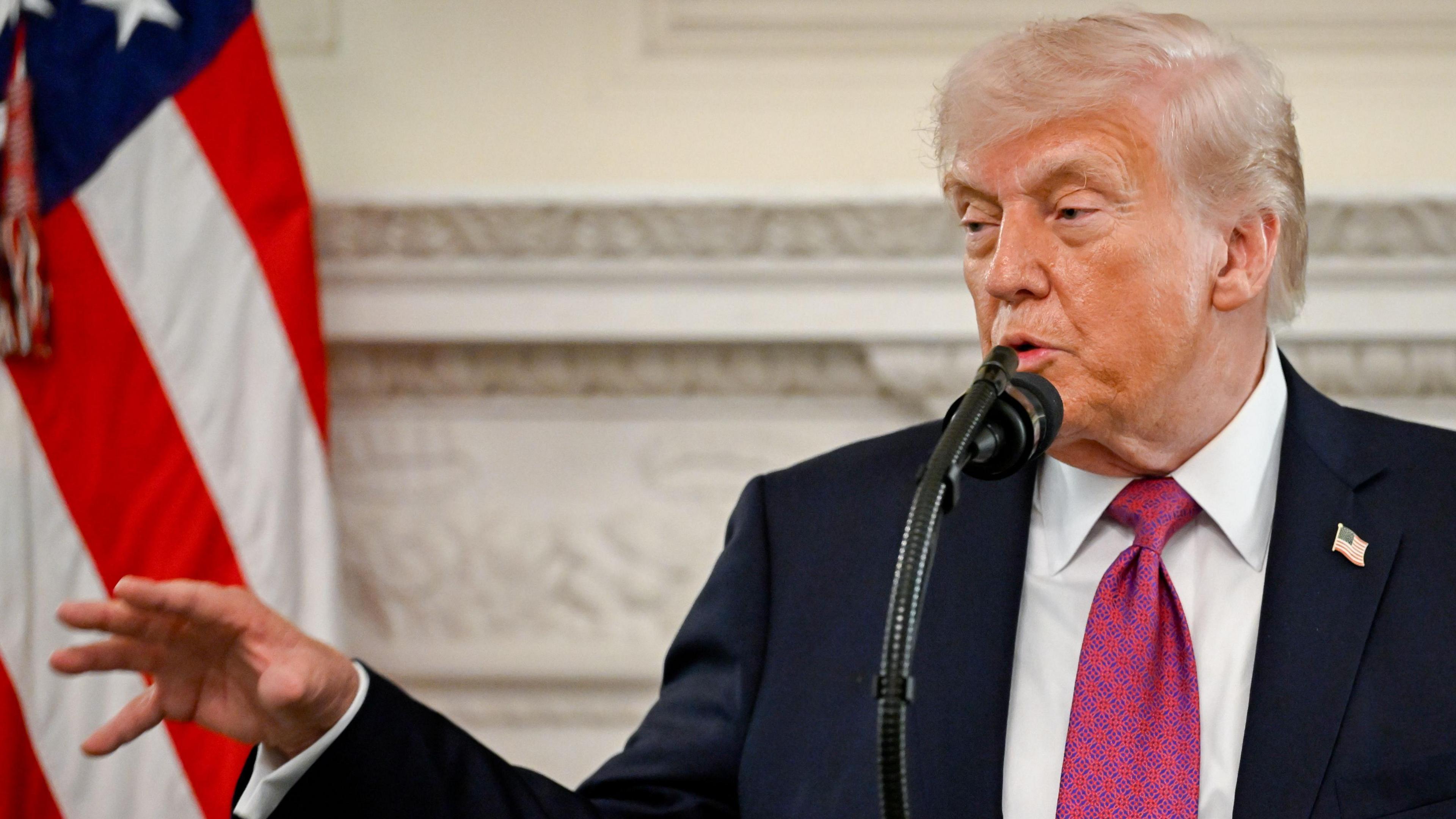
Washington: US President Donald Trump has said he has not yet considered whether he would continue the ceasefire involving Iran, while also claiming the United States holds the advantage in negotiations.
Speaking to reporters, Trump said he was prepared to make a deal with “whoever is running the show” in Iran.
“They are fighting with each other, there’s tremendous infighting. They’re probably fighting for leadership in many cases. I think they’re fighting not to be leader because we knocked out two levels of leaders,” he said.
Trump added, “When they want they can call me. We have all the cards, we’ve won everything.”
Referring to ongoing negotiations, he said, “They gave us a paper that should’ve been better. And, interestingly, immediately when I cancelled it [envoy trip to Pakistan], within 10 minutes we got a new paper that was much better.”
“We talked about they will not have a nuclear weapon, very simple … They offered a lot, but not enough,” he added.
When asked whether he would continue the ceasefire, Trump replied, “I haven’t even thought about it.”
The remarks come as uncertainty remains over the future of the temporary truce and broader negotiations between Washington and Tehran.