How Madhuri Dixit 'stopped' Vajpayee from eating his favourite Gulab Jamuns ?
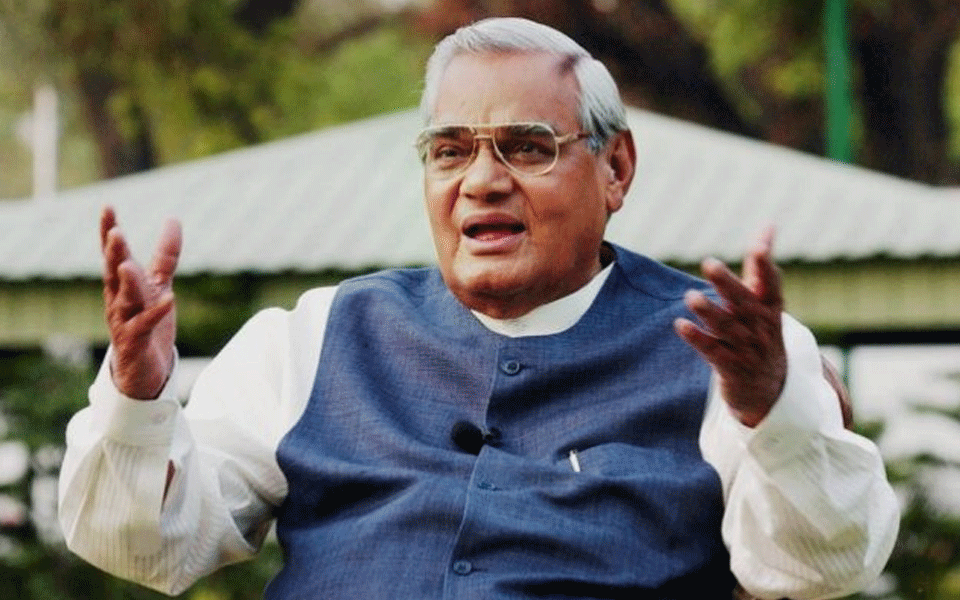
NEW DELHI, August 16: Former Prime Minister Atal Bihari Vajpayee's love for food was legendary. So much in fact, that it took a clever plan by his aides to keep him from a plate of gulab jamuns at an official lunch. With some help from actor Madhuri Dixit, one of the guests.
As the former PM died this evening, close aides and journalists recalled his fondness for food, especially sweets and seafood; his favourite was a platter of prawns.
Senior journalist Rasheed Kidwai remembered how while attending an official lunch, the former prime minister headed to the food counter even though he was on a strict diet.
Worried about his health, aides quickly made a plan.
They immediately introduced Mr Vajpayee to Madhuri Dixit and sure enough, the film buff in him took over as the two went on to talk about movies.
"Meanwhile, the aides quickly removed the desserts from his line of vision," recalled Mr Kidwai.
Bureaucrats who worked with Mr Vajpayee said he always insisted on tasting the local cuisine during his tours.
"So it was puchkas in Kolkata, biryani and haleem in Hyderabad, Galouti kebabs in Lucknow. He specially liked his pakodas with lots of chat masala accompanied with masala tea," said one bureaucrat.
Those close to him recalled how he relished every meal.
Another senior journalist told PTI that several times, Mr Vajpayee cooked for her and other journalists.
"He would cook at least one dish for us. It could be a dessert or something non-vegetarian," she recalled.
A close aide said former PM Vajpayee used to pop salted peanuts throughout cabinet meetings and wanted his plate to be replenished regularly.
BJP leader Lalji Tandon, known as his protege, was tasked to bring him kebabs from Lucknow, Union Minister Vijay Goel brought him bedmi aloo and chaat from old Delhi. Vice President Venkaiah Naidu, then BJP leader, would bring him prawns from Andhra Pradesh, said a close aide.
A journalist who went on trips with Mr Vajpayee recalled how he was the "most relaxed" PM she had ever travelled with as compared to his successors.
"For him these trips were not just about work. He was not averse even to the idea of extending trips. He ate his food and enjoyed, even while at work," she recalled.
Another aide, recalled how despite being unwell, former PM Vajpayee would keep having kaju and samosas.
"He wasn't spartan and he didn't pretend to be one. That is why he was so loved," he said.
Courtesy: www.ndtv.com
Let the Truth be known. If you read VB and like VB, please be a VB Supporter and Help us deliver the Truth to one and all.
Congress’ Umesh Meti wins Bagalkot bypoll
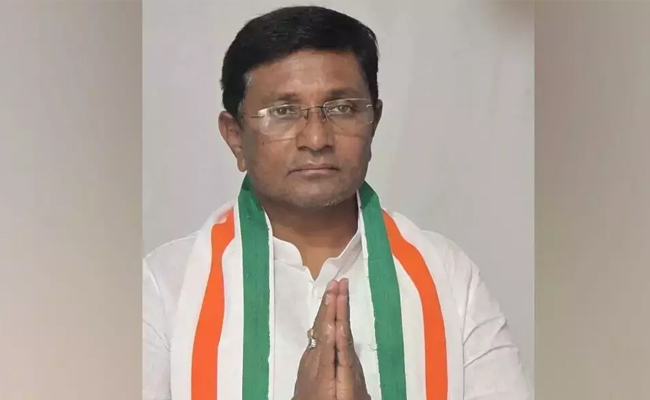
Bagalkot: The Congress has secured a victory in the Bagalkot Assembly by-election, with its candidate Umesh Meti winning the seat after maintaining a lead from the first round of counting till the end.
The seat had fallen vacant following the death of sitting MLA H Y Meti. Umesh Meti, his son, has now been elected to the Assembly.
Party leaders attributed the victory to a combination of factors, including sympathy votes, the state government’s schemes, and campaign strategies led by Chief Minister Siddaramaiah and senior leader Satish Jarkiholi.
The Congress maintained a consistent lead throughout the counting process, eventually securing a decisive win in the constituency.