“How will we survive?”: Family of seven loses sole breadwinner in Poonch shelling
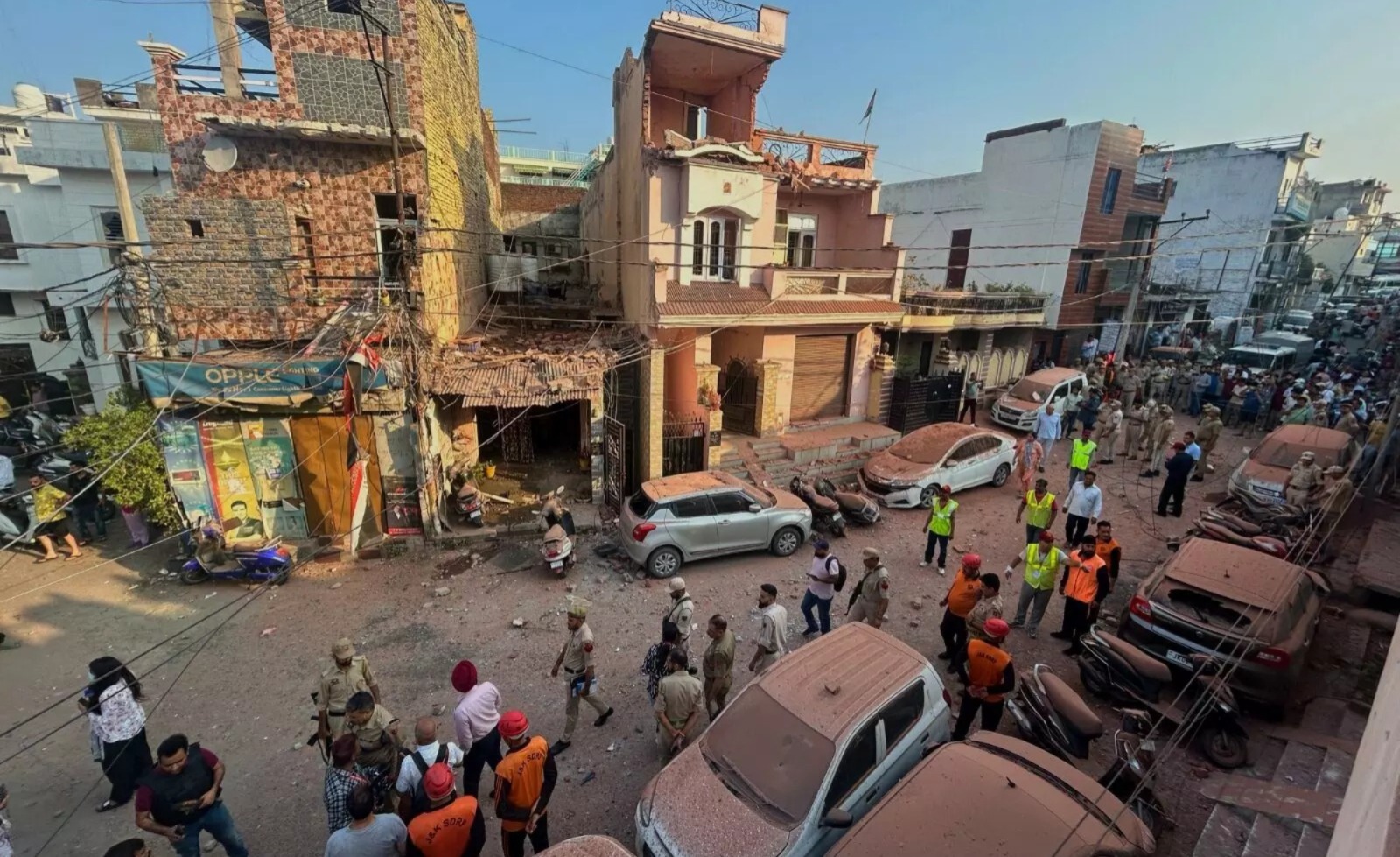
Poonch: The family of Chowdhary Mohammad Akram, a 50-year-old daily wage labourer from Sukh Khata village in Poonch, has been left in despair after he was killed in Pakistani shelling on May 7.
Akram, the sole breadwinner for his family of seven, sustained fatal injuries when a shell landed near his home amid heavy shelling on border areas, as reported by The New Indian Express on Monday.
His wife, Farida Bi, recounted the terrifying moment when explosions rocked their area. “As Akram reached near the gate, a shell landed near our house and exploded with a big bang," TNIE quoted her as saying.
Akram suffered multiple splinter injuries and was rushed to the District Hospital in Poonch by neighbours. Doctors declared him brought dead. Akram’s final rites were held in his native village, attended by grieving relatives and neighbours.
His elder daughter, Afreen Firdous, who was also injured, was treated and later discharged.
His death has left his family without any means of livelihood as Akram was the sole earner of the family. Farida Bi shared that they were surviving on her husband’s daily earnings.
“I have small kids and they are searching for their father. The killing of Akram has brought us to the road,” she shared.
Akram leaves behind his wife, four daughters, two sons, and two brothers, who have their own families. “We all are in the labour force. We survive on a hand-to-mouth basis,” TNIE quoted Akram’s brother Mohammad Bashir as saying.
He said Akram’s death is a massive loss for the family, especially for his children, as he was deeply committed to providing them with a good education.
Bashir appealed to the government to support the bereaved family by offering a job to the widow and ensuring the education of the children is not disrupted. He questioned how the family would manage school fees and other expenses if the government fails to step in and provide support.
Let the Truth be known. If you read VB and like VB, please be a VB Supporter and Help us deliver the Truth to one and all.
Cong performed better in Kerala, anti-incumbency trends influenced WB, TN: CM Siddaramaiah
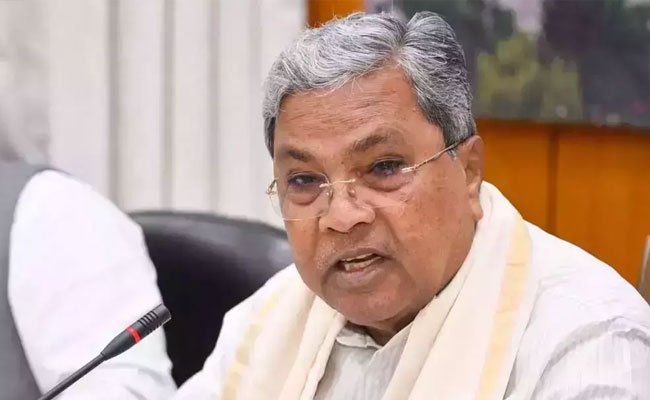
Bengaluru (PTI): Karnataka Chief Minister Siddaramaiah on Monday said the Congress had largely met or exceeded expectations in several States, even as results in some regions reflected shifting voter sentiments.
Speaking to reporters in Bengaluru, he said the party accepted the mandate in Assam while performing better than anticipated in Kerala.
He also pointed to possible anti-incumbency trends influencing outcomes in West Bengal and Tamil Nadu.
“In Assam, we got the expected result, and we accept the people’s mandate. In Kerala, we have won more seats than expected. We anticipated around 76 to 80, but we have gone up to around 95,” Siddaramaiah said.
In West Bengal and Tamil Nadu, there may have been an anti-incumbency trend, and that could have influenced the results, he added.
Siddaramaiah also extended his congratulations to a new political entrant in Tamil Nadu, noting the emergence of a different electoral dynamic in the State.
“I congratulate the new entrant who has achieved success there,” he added.
Deputy Chief Minister D K Shivakumar said electoral outcomes in some States had diverged from the party’s internal assessments, reflecting evolving voter expectations.
“We expected a certain trend, but the results have been different. Political reading was wrong in some places,” he said.
“People were looking for change in some States, and that has been reflected in the results,” Shivakumar, who is also the Congress Karnataka unit president, said.
Referring to Kerala, he said the Congress-led alliance had benefited from public sentiment.
“There was already an expectation based on local body elections, and people had shown confidence in us. That has translated into a strong result,” the Deputy Chief Minister said.
On Tamil Nadu, he acknowledged that the scale of political shift had come as a surprise.
“We expected to secure around 30 to 40 per cent of the vote share, but such a major shift was not anticipated. It shows that voter expectations were different,” he said.
Shivakumar added that electoral outcomes underscored the need for better political assessment in future.
“We have to understand these changes carefully. Political reading cannot go wrong like this,” he said.