I don’t speak Marathi, drive me out if you can: Bhojpuri actor Nirahua dares Thackeray cousins
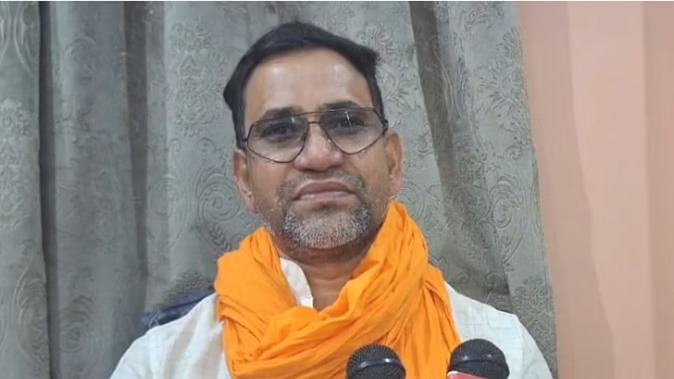
Mumbai: Amid ongoing tensions over language in Maharashtra, Bhojpuri actor and BJP MP Dinesh Lal Yadav, popularly known as Nirahua, has thrown a direct challenge to the Thackeray cousins. Responding to the Maharashtra Navnirman Sena's (MNS) actions targeting non-Marathi speakers, Nirahua told reporters, “I do not speak Marathi. I speak Bhojpuri and live in Maharashtra. If you have the courage, try and drive me out.”
The remark follows a series of attacks allegedly by MNS workers on individuals for not speaking Marathi, including the recent assault on a sweet shop owner in the Mumbai Metropolitan Region.
The controversy comes ahead of civic polls, with tensions rising after MNS workers vandalised the office of share market investor Sushil Kedia in Worli. Kedia had publicly declared that he would not speak Marathi and challenged MNS chief Raj Thackeray.
Meanwhile, BJP leader and Maharashtra minister Ashish Shelar compared the attacks on Hindi-speaking people to the Pahalgam terror attack, stating that in both cases, individuals were targeted based on identity. He criticised the MNS and Shiv Sena (UBT), saying they are using Marathi pride for political gains.
The language row intensified after Uddhav and Raj Thackeray shared the stage after two decades, protesting against the introduction of Hindi as a third language in primary schools—a move recently withdrawn by the state government.
Reacting to the development, Shiv Sena MLA and state minister Pratap Sarnaik credited Deputy Chief Minister Eknath Shinde for securing classical language status for Marathi and alleged that the alliance between Sena (UBT) and MNS is aimed at regaining control over the Brihanmumbai Municipal Corporation.
Shelar also claimed the ruling Mahayuti would outperform the opposition in the upcoming civic elections, asserting that Marathi is not a political issue for the BJP.
Let the Truth be known. If you read VB and like VB, please be a VB Supporter and Help us deliver the Truth to one and all.
Man arrested with Rs 2.54-crore heroin in Mumbai

Mumbai (PTI): Police have arrested a man and seized over 500 grams of heroin worth Rs 2.54 crore in the illicit market from him in Mumbai, officials said on Friday.
The police's Anti-Narcotics Cell (ANC) made the drug seizure in Santacruz in the western suburbs. The operation was conducted by the Kandivali unit of the ANC on Thursday as part of a special crackdown against drug trafficking in the area, they said.
Acting on specific inputs, an ANC team conducted a raid in Santacruz (East) and intercepted a man. During a search, the team recovered 508 grams of high-grade heroin from his possession, an official said.
The seized contraband, a highly addictive, opioid drug derived from morphine, is estimated to be worth Rs 2.54 crore in the international market, he informed.
Following the seizure, a case was registered against the man under relevant sections of the Narcotic Drugs and Psychotropic Substances (NDPS) Act, 1985, and he was formally placed under arrest in the early hours of Friday.
The police are currently investigating the source of the drug and trying to identify the intended recipients of the consignment, he said.