I-PAC raids: ED moves SC against 'interference' by CM Mamata Banerjee; WB govt files caveat
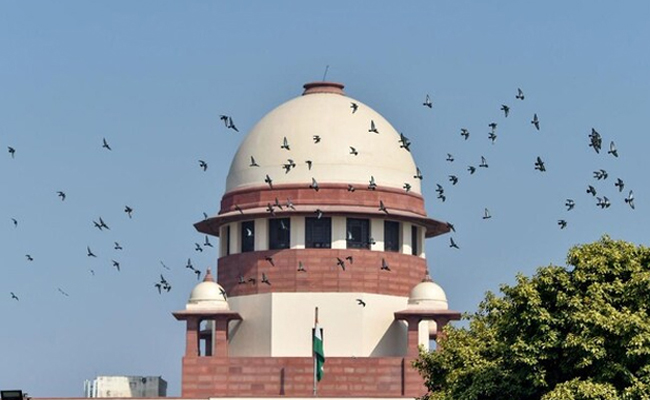
New Delhi (PTI): The Enforcement Directorate has approached the Supreme Court alleging interference and obstruction by the West Bengal government, including by Chief Minister Mamata Banerjee, in its probe and search operation at the I-PAC office and premises of its director Pratik Jain in connection with the coal pilferage scam.
The West Bengal government has also filed a caveat in the top court seeking that no order should be passed without hearing it in connection with Enforcement Directorate (ED) raids against political consultancy firm I-PAC.
A caveat is filed by a litigant in high courts and the Supreme Court to ensure that no adverse order is passed against it without it being heard.
The ED has also alleged that the chief minister entered the raid sites and took away "key" evidence, including physical documents and electronic devices from the premises of I-PAC and obstructed and interfered with the investigation in the case.
The probe agency further claimed in its plea that the chief minister's presence at the search site and the alleged removal of documents had an intimidating effect on officers and seriously compromised the agency's ability to discharge its statutory functions independently.
The probe agency has alleged repeated obstruction and non-cooperation by the state administration and sought directions for an independent inquiry by the Central Bureau of Investigation (CBI), contending that a neutral central agency is necessary in view of the alleged interference by the state executive.
According to sources, the ED's plea is likely to be mentioned for an urgent hearing on Monday.
Prior to approaching the Supreme Court, the ED on January 9 approached the Calcutta High Court, seeking a CBI probe against Banerjee, alleging that she, with the aid of the police, took away incriminating documents from the agency's custody during the raid at Jain's home
However, the high court has adjourned the matter due to commotion in the courtroom and listed the ED's plea for hearing on January 14.
The plea of ED in the apex court follows events from last Thursday (January 8) when the agency conducted searches on the premises of I-PAC and its director as part of a money laundering probe into an alleged multi-crore rupee coal pilferage scam.
During the search operation, Banerjee reached the IPAC office along with senior party leaders and confronted ED officials and allegedly took away documents from the premises. Banerjee has accused the central agency of overreach.
The West Bengal police has also registered an FIR against ED officers.
The ruling All India Trinamool Congress has denied the ED's allegations of obstruction and approached the Calcutta High Court in connection with the raids.
The TMC has further alleged that the ED action against the I-PAC, the election consultant of the party, was aimed at accessing confidential election strategy material.
The party has maintained that I-PAC functions as its election strategist and that the ED’s action was intended to disrupt its electoral preparations rather than pursue any bona fide investigation in the case.
Let the Truth be known. If you read VB and like VB, please be a VB Supporter and Help us deliver the Truth to one and all.
4 workers die after being buried under coal slurry in Jharkhand's Dhanbad

Dhanbad (Jharkhand) (PTI): At least four workers died after being buried under coal slurry in Jharkhand's Dhanbad district on Saturday, a police official said.
The incident took place at Moonidih coal washery in the command area of Bharat Coking Coal Limited (BCCL).
"Bodies of all four workers were dug out of debris during a rescue operation," Putki police station in-charge Waqar Hussain told PTI.
The incident took place when coal slurry was being loaded into trucks by workers, during which a large chunk of slurry fell and trapped several workers underneath, officials said.
The deceased have been identified as Manik Bauri, Dinesh Bauri, Deepak Bauri, and Hemlal Gope.
Meanwhile, the family members of the deceased and local villagers placed the bodies in front of the washery gate and began a protest.
They demanded compensation, jobs for dependents and action against those responsible for the incident.
Police and administration officials are trying to pacify the protesters, an official said.