ICICI-Videocon loan case: Chanda Kochhar, her husband appear before ED; grilled for 8 hours
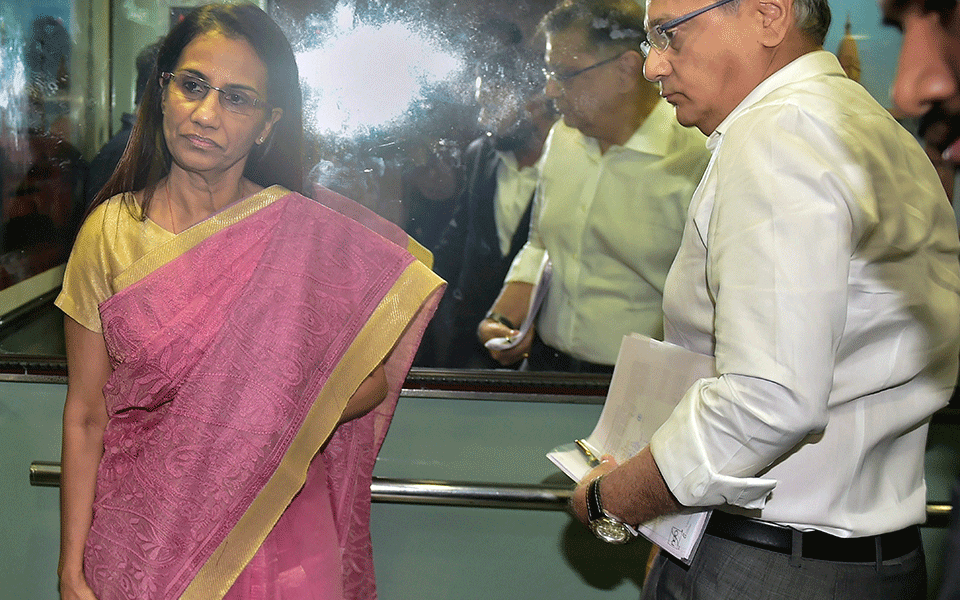
New Delhi, May 13: Former ICICI Bank CEO Chanda Kochhar and her husband Deepak Kochhar were questioned Monday for over eight hours by the Enforcement Directorate after they appeared before it in connection with an alleged bank loan fraud and money laundering case registered against them.
The couple arrived at the Enforcement Directorate's headquarters in Khan Market here shortly before their scheduled appearance time of 11 am, official sources said.
They were allowed to leave just before 8 pm, they said.
While it was not immediately known as to what was the ED's line of questioning, sources said that the two were required to assist the investigating officer (IO) of the case in taking the probe forward.
Sources said their statement was recorded under the Prevention of Money Laundering Act (PMLA).
It is expected that the two may be questioned again on Tuesday.
The Kochhars were supposed to depose before the agency early this month but they had then sought an extension of time and were allowed, they said.
Chanda Kochhar's brother-in-law and Deepak's brother, Rajiv Kochhar, has also been grilled by the ED multiple times in the case a few days ago here.
Rajiv Kochhar has been questioned by the CBI in the same case in the past as well.
He is the founder of Singapore-based Avista Advisory and was questioned about his company's role in the restructuring of the loan by the CBI, the sources said.
Rajiv Kochhar was asked by the CBI sleuths about the help he had extended to Videocon in relation to the loan from ICICI Bank, which was part of a Rs 400-billion credit given by a consortium of 20 banks to the group of main promoter, Venugopal Dhoot.
The Kochhar couple have been questioned in the past too at the ED zonal office in Mumbai after the central agency conducted raids in this case on March 1.
The searches were conducted at the premises of Chanda Kochhar, her family and Venugopal Dhoot of Videocon Group in Maharashtra's Mumbai and Aurangabad.
The ED has registered a criminal case under the PMLA early this year against Chanda Kochhar, Deepak Kochhar, Dhoot and others to probe alleged irregularities and corrupt practices in sanctioning Rs 1,875-crore loans by ICICI Bank to the corporate group.
This action of the agency was based on an FIR registered by the CBI.
The CBI has named all the three and Dhoot's companies Videocon International Electronics Ltd (VIEL) and Videocon Industries Limited (VIL) in its case.
The anti-corruption probe agency also named Supreme Energy, a company founded by Dhoot, and NuPower Renewables, a company controlled by Deepak Kochhar, in the FIR.
It has slapped sections of the Indian Penal Code related to criminal conspiracy, cheating and provisions of the Prevention of Corruption Act on all the accused.
The CBI alleged that Dhoot had invested in Nupower through his firm Supreme Energy in a quid pro quo to loans cleared by ICICI Bank after Chanda Kochhar took over as the CEO of the bank on May 1, 2009.
The ownership of Nupower and Supreme Energy changed hands through a complex web of shared transactions between Deepak Kochhar and Dhoot, the CBI alleged.
During its preliminary enquiry, the CBI found that six loans worth Rs 1,875 crore were sanctioned to the Videocon Group and companies associated with it between June, 2009 and October, 2011 in alleged violation of laid-down policies of ICICI Bank, which have now become part of the probe.
"Existing outstanding in the accounts of these private group companies were adjusted in Rupee Term Loan of Rs 1,730 crore sanctioned by ICICI Bank under refinance of domestic debt under consortium arrangement on April 26, 2012," a CBI spokesperson had said.
The loans were declared non-performing assets in 2012, causing a loss of Rs 1,730 crore to the bank, it alleged.
The ED, the sources said, is also probing at least two other instances of loans given by ICICI Bank (during Chanda Kochhar's tenure) to Gujarat-based pharmaceutical firm Sterling Biotech and to Bhushan Steel group.
Chanda Kochhar and Deepak Kochhar are also expected to be asked questions about these loans as well, they said.
The agency is investigating these two instances of alleged bank loan fraud under the PMLA.
Let the Truth be known. If you read VB and like VB, please be a VB Supporter and Help us deliver the Truth to one and all.
Kohli's U-19 teammate Amanpreet Singh Gill dies at 36
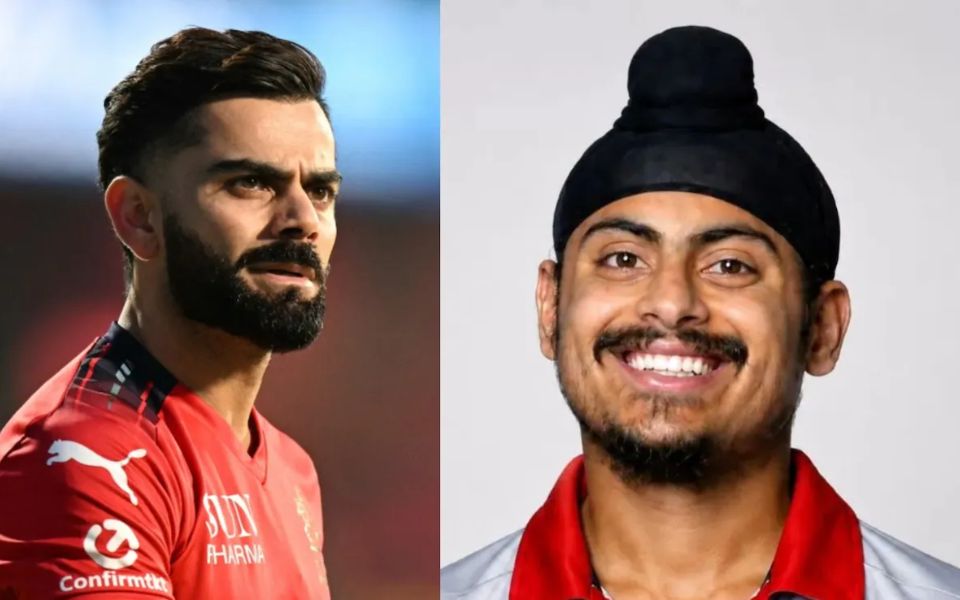
New Delhi (PTI): Former India U-19 and Punjab medium pacer Amanpreet Singh Gill died at the age of 36 in Chandigarh on Wednesday, leaving the cricket fraternity in mourning.
The cause of death is not yet known.
Gill, who was Virat Kohli's U-19 teammate, featured in six first-class matches for Punjab, picking up 11 wickets.
He was also part of the Punjab franchise (Kings XI Punjab) in the inaugural Indian Premier League season, and later served as a member of Punjab's senior selection committee.
"Punjab Cricket Association deeply mourns the sad demise of Amanpreet Singh Gill, former Punjab cricketer and Member, Senior Selection Committee Punjab,” the Punjab Cricket Association announced on X.
"Our heartfelt condolences to the bereaved family and loved ones. May Waheguru grant eternal peace to the departed soul and strength to the family in this difficult time."
Two-time World Cup-winning India all-rounder Yuvraj Singh also paid tribute to Gill.
"Deeply saddened to hear about Amanpreet Singh Gill’s passing. Shared the dressing room in our early days, he was a quiet, hardworking cricketer who loved the game. My heartfelt condolences to his family and loved ones. Rest in peace Om Shanti,” Singh posted on X.
Gill played five Youth ODIs and one Youth Test for India in 2007.
In the longer format, he claimed the wicket of former Sri Lanka all-rounder Thisara Perera.
However, he did not make the Virat Kohli-led India U-19 side that went on to win the 2008 World Cup.
“Deeply saddened by the passing of Amanpreet Singh Shergill, who proudly represented Punjab and was a part of the Punjab Kings family. Our heartfelt condolences to his family, friends, and the entire cricketing fraternity,” Punjab Kings posted on their official Instagram account.