If BJP keeps Speaker post, TDP and JD(U) should be ready to see horse-trading of MPs: Ashok Gehlot
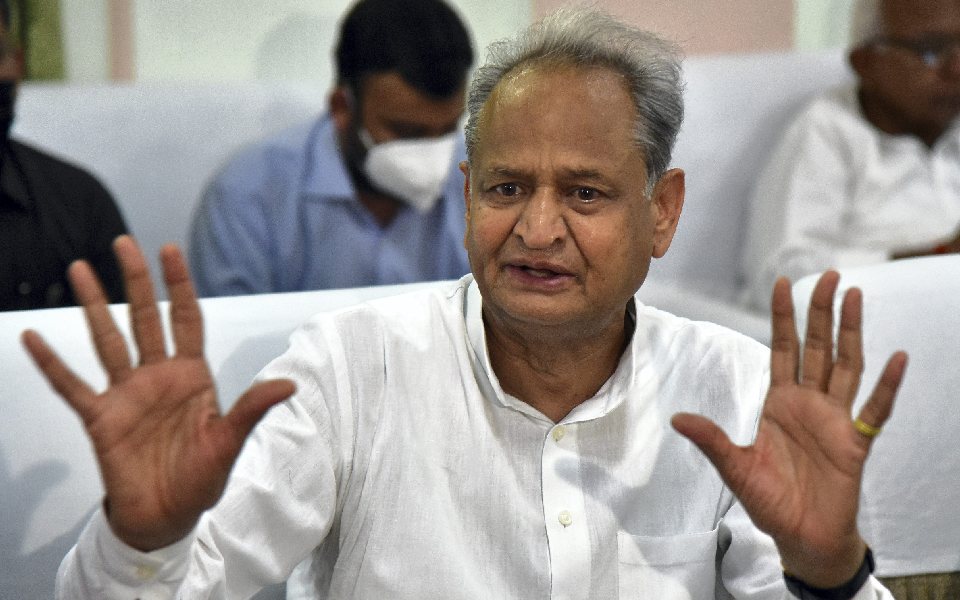
Jaipur, Jun 12: Former Rajasthan chief minister Ashok Gehlot alleged Wednesday that if BJP keeps the Lok Sabha Speaker post, its alliance partners TDP and JD(U) should be prepared to witness horse-trading of their MPs.
If the BJP does not have the intention to do anything undemocratic in the future, it should give the Speaker's post to one of its allies, the Congress leader said.
Following the principle of coalition, during the former prime minister Atal Bihari Vajpayee's government from 1998 to 2004, the Speaker was from the TDP and the Shiv Sena and in the UPA government from 2004 to 2009, the Speaker was from the CPI(M) and the Lok Sabha was managed well, he said.
"Not just TDP and JD(U), but the people of the entire country are eagerly watching the election to the post of the Lok Sabha Speaker. If BJP does not have the intention to do anything undemocratic in the future, it should give the Speaker's post to one of its allies," Gehlot said in Hindi on 'X'.
"TDP and JD(U) should not forget the conspiracies hatched by the BJP to topple governments in Maharashtra, Karnataka, Madhya Pradesh, Goa, Manipur, Arunachal Pradesh and Rajasthan. In many of these states, the government fell and parties split due to the role played by the Speaker," he added.
Gehlot said that in 2019, four out of six Rajya Sabha MPs of the TDP joined the BJP and the party could do nothing.
"Now if the BJP keeps the post of the Lok Sabha Speaker with itself, the TDP and JD(U) should be ready to see horse-trading of their MPs," he added.
Let the Truth be known. If you read VB and like VB, please be a VB Supporter and Help us deliver the Truth to one and all.
Women journalists face doubling of online abuse since 2020, AI intensifies harassment: report
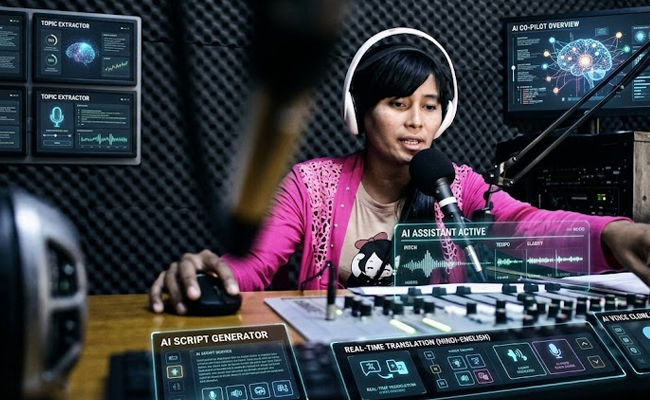
New Delhi: Incidents of online violence against women journalists have doubled since 2020, with growing use of artificial intelligence intensifying the scale and impact of abuse, according to a new report released ahead of World Press Freedom Day.
The study is titled “Tipping point: Online violence impacts, manifestations and redress in the AI age.” It is published by UN Women and its partners and highlights how digital harassment has become more invasive and technologically sophisticated.
The study is based on a 2025 global survey covering 641 respondents across 119 countries. The report found that women journalists and media workers are increasingly resorting to self-censorship due to online abuse. Around 45 per cent said they avoid expressing themselves on social media, which is a sharp rise from 2020. Nearly 22 per cent reported limiting their professional work for similar reasons.
The findings also indicate that 12 per cent of respondents have experienced non-consensual sharing of personal images, including intimate content, and six per cent reported being targeted by AI-generated “deepfakes.” One in three said they had received unsolicited sexual advances online.
The report highlights the psychological toll of such harassment, noting that nearly a quarter of women journalists surveyed had been diagnosed with anxiety or depression, while about 13 per cent reported post-traumatic stress disorder.
An environmental journalist from India, quoted in the report, described how coordinated online attacks and misinformation campaigns had led to fear and withdrawal from investigative reporting, and the repercussions extending to family members.
However, as the abuse has increased, so too has the number of women journalists reporting such incidents. The percentage of women journalists approaching law enforcement agencies has doubled from 11 per cent to 22 per cent in 2025 compared with 2020. The report also shows an increase in legal action against perpetrators, technology platforms, and employers.
However, the report points to significant gaps in legal protection. It presents data that fewer than 40 per cent of countries have laws addressing cyber harassment or stalking. Kalliopi Mingerou, who leads efforts to end violence against women at UN Women, said emerging technologies are amplifying existing threats. “AI is making abuse easier and more damaging,” she said, warning that the trend risks undermining democratic participation and hard-won rights.
The report can be accessed at https://www.unwomen.org/en/digital-library/publications/2026/04/tipping-point-online-violence-impacts-manifestations-and-redress-in-the-ai-age