Illegal forest land acquisition behind Kerala floods, says ecologist Madhav Gadgil
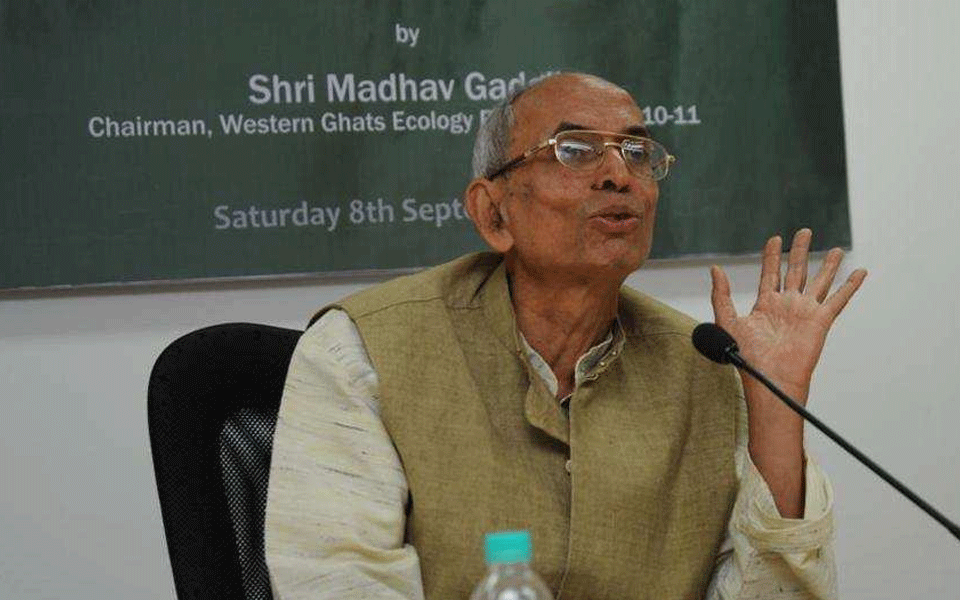
Pune, August 19: Ecologist Madhav Gadgil, founder of the Centre for Ecological Sciences at the Indian Institute of Science, Bengaluru, has described the floods in Kerala as a man-made disaster; a reaction to the illegal excavations, stone quarrying done over a decade.
In an interview to Hindustan Times, Gadgil said, “Irresponsible environmental policy is to be blamed for the recent floods and landslides in Kerala. Extensive stone quarrying and mushrooming of high-rises as part of tourism, and illegal forest land acquisition by private parties are the major reasons for the recent floods in the state.”
Most of the areas affected by this monsoon were once classified as ecologically-sensitive zones by the Western Ghats Ecology Expert Panel , also known as the Gadgil Committee, formed in 2010 the Centre.
Accusing the successive Kerala governments of inaction, Gadgil said, “We had first submitted the report in 2011...we were in a sense boycotted by government officials as we had recommended them to stop illegal activities...”
Gadgil said that the report had very specifically pointed that if the stone quarrying was not stopped, it might eventually lead to natural calamities “like the one happening in the state today”. However, the establishments turned a deaf ear to the recommendations. According to Gadgil, a total of 1,650 excavators were deployed for stone quarrying and mining, of which only 150 were given permissions.
Expressing grief over the situation in Kerala, Gadgil said, “The government should at least now stop all the illegal stone quarrying activities after having faced the consequences. Although it is late, the government must act on the recommendations ...”
Courtesy: www.hindustantimes.com
Let the Truth be known. If you read VB and like VB, please be a VB Supporter and Help us deliver the Truth to one and all.
Iran’s Fars reports missiles hit US warship near Hormuz after it ignored warnings from IRGC
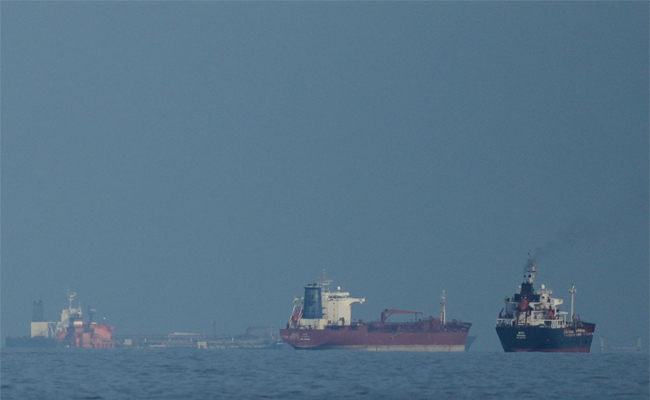
Tehran/Washington: Iran’s Fars News Agency has reported that two missiles struck a US Navy vessel near Jask in the Strait of Hormuz, citing local sources.
According to the report, the vessel was hit after it allegedly ignored warnings from the Islamic Revolutionary Guard Corps (IRGC) to halt.
There has been no official confirmation from US authorities on the reported incident so far.
The development comes shortly after US President Donald Trump said Washington would begin “Project Freedom” to guide stranded ships through the Strait of Hormuz.
US Central Command said the operation would involve 15,000 military personnel along with more than 100 land- and sea-based aircraft, warships and drones.
Further details about the reported strike and any damage or casualties remain unclear.