India, Bangladesh working on free trade agreement: Prabhu
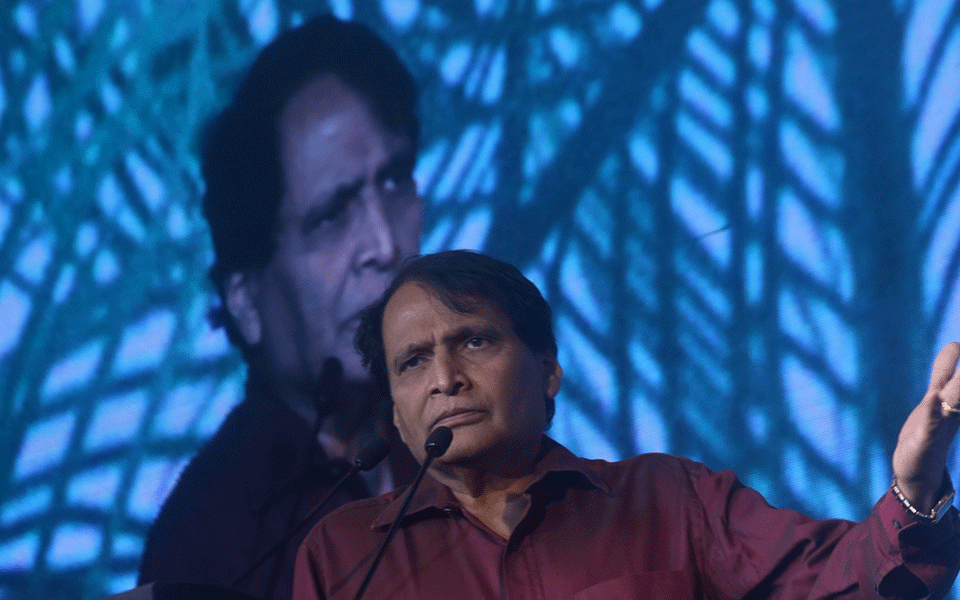
New Delhi, Sep 28 : India and Bangladesh are already working on a Comprehensive Economic Partnership Agreement (CEPA), or free trade agreement (FTA), which would set an example for giving a boost to regional trade in South Asia, Commerce Minister Suresh Prabhu said on Friday.
Launching a World Bank Group report on trade in South Asia, Prabhu said that during his just concluded visit to Bangladesh and talks with his counterpart there, it had been decided to set up seven border 'haats', or markets, some of which will start functioning immediately.
"During my visit to Bangladesh, I proposed that we should try to sign the Comprehensive Economic Partnership Agreement and we are working with our Bangladeshi counterparts to take it forward," Prabhu said.
"India and Bangladesh have agreed to upgrade trade logistics for seamless movement of cargo and we have already identified seven dual hubs, some of which will start working immediately," he said, adding that given the cultural and linguistic affinities between both countries there is immense potential for trade and cooperation.
Prabhu said the Bangladesh Trade Minister along with a delegation has been invited to visit India in October to discuss the trade and investment potential between the two countries.
The Minister also said India and Sri Lanka are "working closely together" to finalise a free trade agreement.
"We are happy to develop trade with other countries in South Asia. Development of South Asia is hindered by lack of intra-regional trade and integration," he said.
The World Bank report - "A Glass Half Full: The Promise of Regional Trade in South Asia" - says India's trade with South Asia at around $19 billion is only 3 per cent of its global trade worth $ 637 billion.
The report also points out that current trade between India and Pakistan at a paltry $2 billion annually, could go up to $37 billion in the absence of artificial barriers.
Let the Truth be known. If you read VB and like VB, please be a VB Supporter and Help us deliver the Truth to one and all.
TN Assembly elections: Eight-month pregnant homemaker wins Thiru Vi Ka Nagar seat for TVK
Chennai (PTI): Before giving birth, she had already delivered a mandate—a symbol of hope for Thiru Vi Ka Nagar.
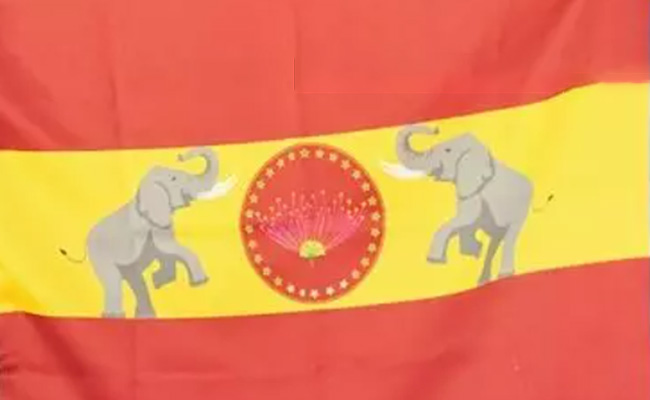
Echoing Delhi’s 2013 “common citizen” political churn associated with the rise of the Aam Aadmi Party (AAP), an eight-month-pregnant homemaker, M R Pallavi, has been elected as an MLA from Chennai’s Thiru Vi Ka Nagar constituency, emerging as one of the notable first-time faces of the Vijay-led TVK in the recently held Tamil Nadu Assembly elections.
In the narrow lanes of Thiru Vi Ka Nagar, a steady stream of media personnel has been making their way to Pallavi’s residence—a scene reminiscent of the result day in Delhi when journalists thronged the modest home of Rakhi Birla, who had won from Mangolpuri on an AAP ticket.
Pallavi, 36, a homemaker educated up to class XII, defeated the DMK candidate K S Ravichandran by a margin of 22,333 votes in the reserved Thiru Vi Ka Nagar Assembly constituency.
Tamilaga Vettri Kazhagam emerged as the single largest party by winning 108 seats, while DMK and AIADMK got 59 and 47, respectively.
Pallavi’s victory has drawn attention due to her personal circumstances. She campaigned extensively while eight months pregnant, going door-to-door to reach voters.
According to local accounts, she even fainted once during the campaign but continued her outreach.
She has not spoken to the media following her victory, as doctors have advised her to rest. Her husband, Rajesh, briefly recounted her campaign efforts.
A self-professed admirer of actor-turned-politician Vijay, Pallavi joined TVK soon after its formation and is now among its first-time legislators.
Doctors have advised her to be hospitalised around May 20, as she is expecting her second child. Ahead of that, voters in Thiru Vi Ka Nagar have entrusted her with representing them in the state Assembly.
Political observers say the rise of candidates like Pallavi signals a possible shift in Tamil Nadu’s political landscape, with voters backing a new party and candidates from non-traditional backgrounds.